5 Stolen Baobab Trees Back At “Home” After Nearly Smuggled Overseas From South Africa, Zvinoita Nature
The 5 Months Of Torture For The Big Trees, Zvinoita Nature
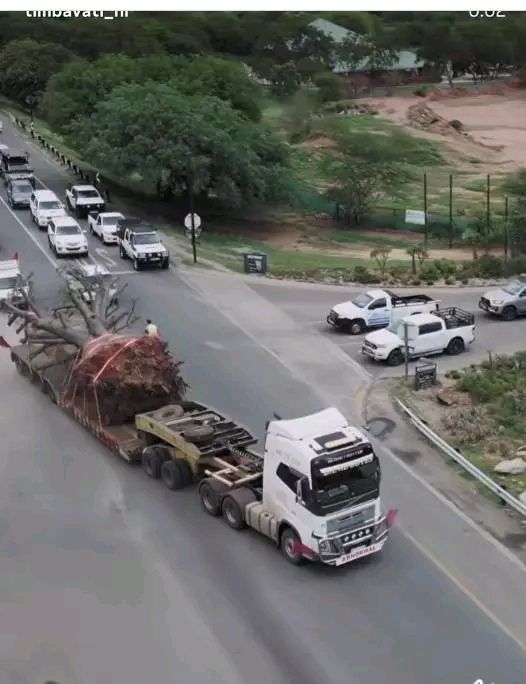
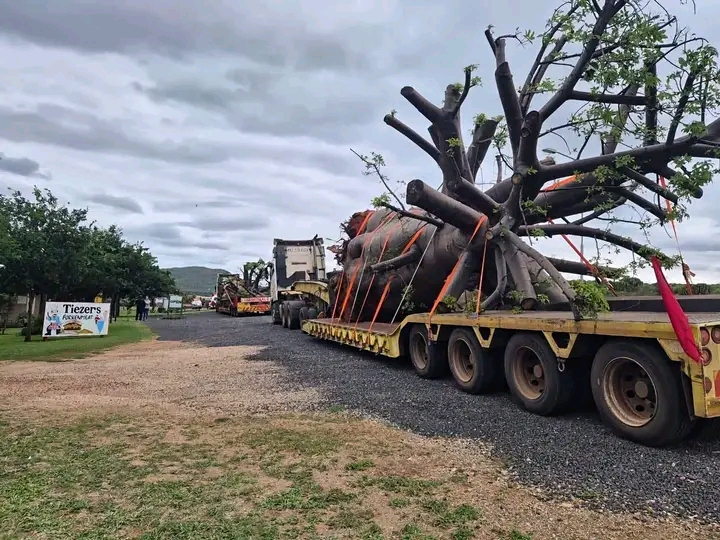
Five stolen baobab trees, thirsty and shrunken, arrived home on Thursday after completing a 900km journey from Durban to Timbavati Private Nature Reserve in Hoedspruit, where they will now be planted back into the soil.
The trees were nearly smuggled out of South Africa but were rescued in Durban en route to their new adopted home overseas in Georgia.
The five giants, estimated to be 300 years old and weighing up to 30 tonnes each, were uprooted in Lephalale, in the Waterberg region of Limpopo, by Pretoria-based exporter Divine Landscapes. They were then trucked to Durban for export.
They were intercepted on 17 July 2026 at an Africa Global Logistics warehouse in Mobeni, Durban, shortly before they were due to be exported to Georgia. Reports link the buyer to Georgian billionaire and former Prime Minister Bidzina Ivanishvili.
Authorities established that the company did not have the necessary permits to uproot, transport or export the protected indigenous trees. The company reportedly argued that the trees had been sourced from private gardens with the owners’ consent. However, the Department of Forestry, Fisheries and the Environment (DFFE) rejected its retrospective permit applications on 31 July 2026 and dismissed its final appeal on 27 October 2026.
For more than three months after the interception, the giants lay on their sides on hot paving in a parking area in Durban, dehydrating and weakening. Despite their condition, all five survived.
The rescue was initiated by ecologist Dr Sarah Venter, founder of the Baobab Foundation, after she read about the trees. She helped mobilise funding to save them. Timbavati offered to pay for loading, transport and replanting. Former Durban Botanic Gardens curator Christopher Dalzell volunteered his expertise to assist with the relocation. The DFFE confirmed that it was working with the South African National Biodiversity Institute (SANBI) to facilitate the intervention.
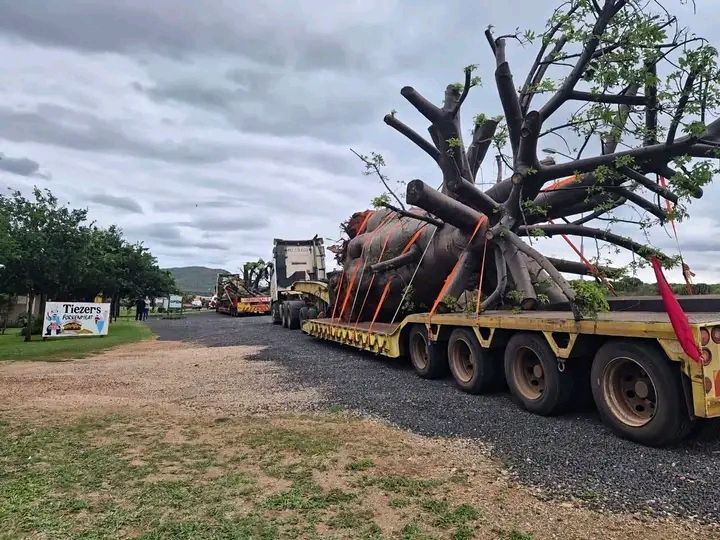
The relocation journey began on Wednesday 11 November 2026, when the first of the five trees was loaded onto an abnormal-load truck for transportation from Durban to Limpopo. The convoy attracted considerable attention along its route, with the enormous trees travelling on heavy-duty trucks through parts of Mpumalanga and Limpopo.

The tar ended and the bush began as the trees left the tar behind and made their way onto the dirt roads of the Timbavati. For trees that have spent months out of the ground, it marked a significant milestone in their journey back to the soil, and towards a future within a protected wilderness.
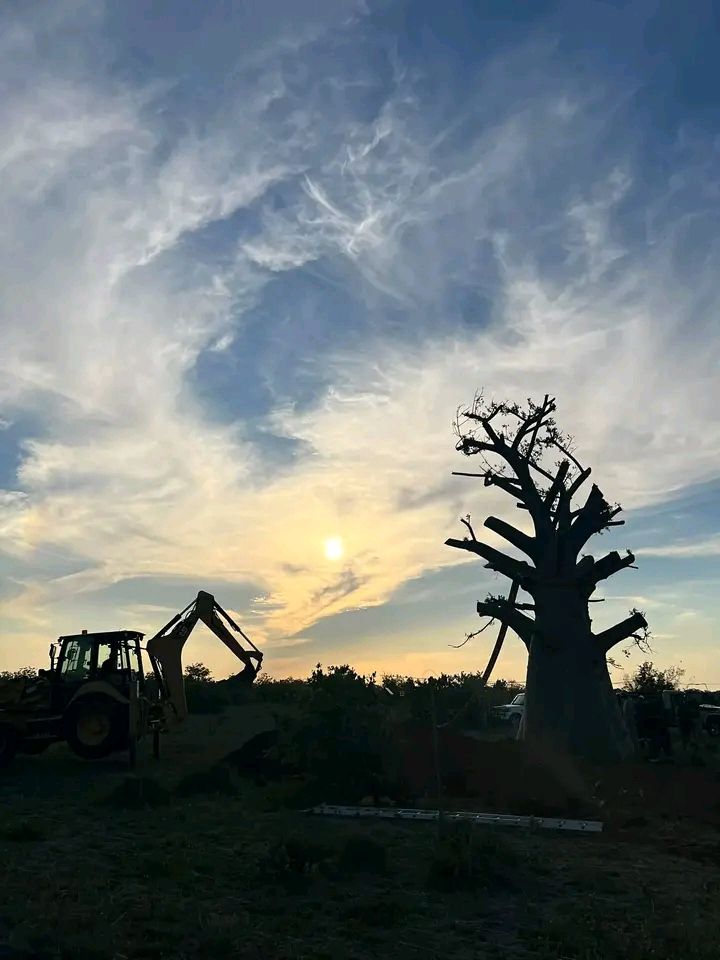
The arrival at Timbavati marks an important milestone in the rescue effort and another chapter in Project Baobab, a Wilderness-led conservation initiative that recognises that protecting a landscape means looking beyond its wildlife. It means safeguarding the vegetation, ecosystems and natural processes that sustain it.
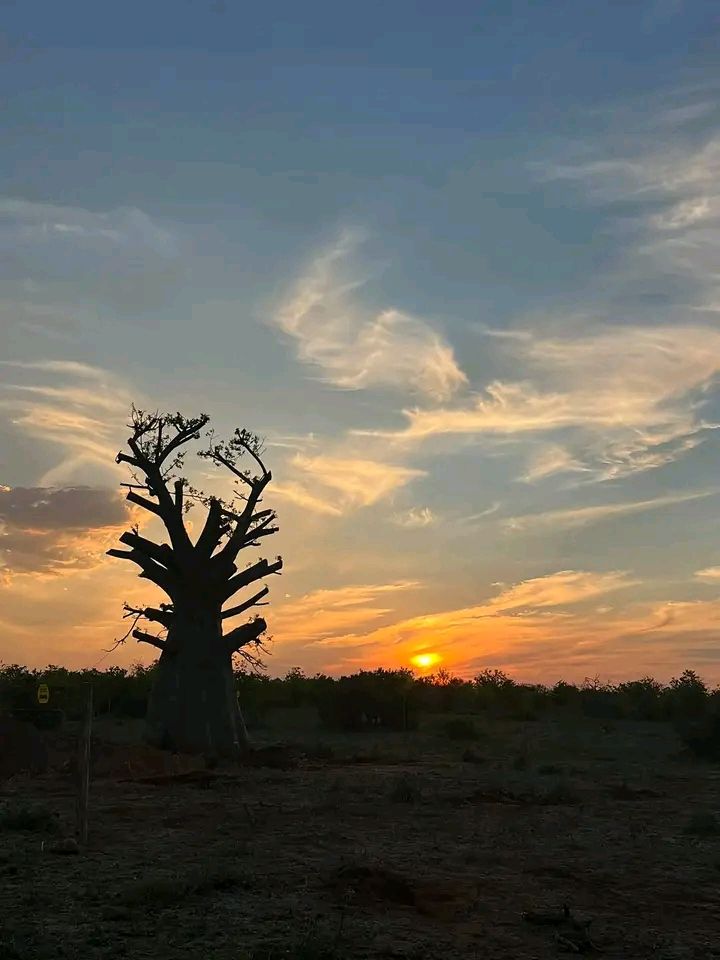
The five ancient trees now await planting at their new home, and a journey that is far from over. The exporter will appear in Durban Magistrates Court in January 2027.
300 years. 30 tonnes. 900km. Still alive.