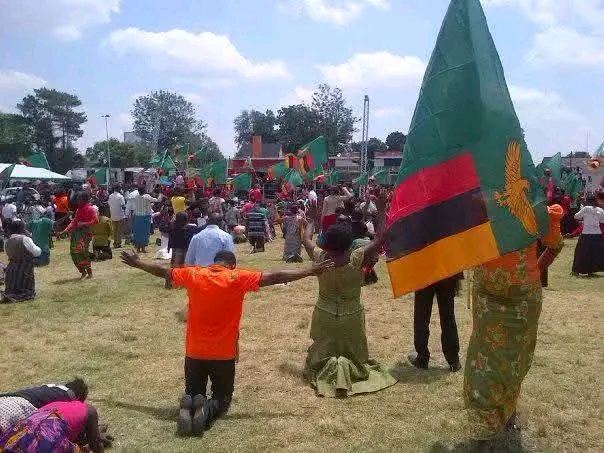

A Disconnect in Purpose: Why Moving the Day of Fasting and Prayer to December 29 Is a Misguided Step
By Thandiwe Ketiš Ngoma
The decision to reschedule the national Day of National Prayer, Fasting, Repentance, and Reconciliation from its traditional, statutory date of October 18 to December 29 is both ill-advised and deeply regrettable. While calendar adjustments are often treated as mere administrative logistics, shifting a day of solemn spiritual reflection distorts the core purpose of the observance itself. The two dates represent entirely different seasons, postures, and spiritual significances—and conflating them diminishes the solemn weight of both.
Distinct Seasons, Distinct Meanings
October 18 and December 29 carry vastly different spiritual, social, and civic weights:
October 18 – A Season of Interception, Sacrifice, and National Alignment: Positioned mid-spring (or mid-autumn globally), October 18 functions historically and spiritually as a vital moment of national reckoning. Falling just six days before Independence Day (October 24), October 18 was strategically established to prepare the national consciousness. It is a set-aside period to humble the nation before God, seek divine guidance for leadership, practice self-examination, and invoke peace and economic protection before entering the final quarter of the year. It is rooted in sobering self-reflection, sacrifice, and collective spiritual alignment.
December 29 – A Time of Transition, Leisure, and Festive Celebration: Sitting squarely in the narrow window between Christmas and New Year’s Day, late December is dominated by holiday festivities, family reunions, end-of-year bonuses, and social gatherings. Tucking a day of rigorous fasting, repentance, and humble petition into this brief gap creates an immediate, irreconcilable friction between the spirit of festive celebration and the discipline of self-denial.
Why the Reschedule Is Ill-Advised
1. Undermining the Spiritual Discipline of Fasting
True fasting demands intentional quiet, focus, prayerful restraint, and total abstinence. Placing a national fast in the middle of the festive season—when households across the country are gathered around abundance and celebration—forces an impossible clash of spiritual postures. Expecting a population to transition overnight from holiday feasts to corporate repentance severely weakens public compliance and spiritual sincerity.
2. Diluting the Mandate of Repentance and Reconciliation
The original mandate of October 18 was anchored explicitly in repentance and reconciliation—a time to bridge political, tribal, and denominational divides before celebrating national sovereignty on October 24. By moving this day to December 29, the mandate loses its vital connection to Independence Day and risks being swallowed whole by ordinary New Year’s Eve reflections and resolution-making.
3. Compromising Institutional and Public Participation
As a dedicated gazetted holiday in October, public institutions, civil society, schools, and corporate entities traditionally pause operations to participate in civic and religious assemblies. By late December, most businesses, schools, and governmental bodies are closed for the annual shutdown. Scheduling a national day of prayer during a general holiday recess risks converting what should be a unified civic duty into an overlooked, poorly attended holiday afterthought.
4. Overburdening the Holiday Calendar
Late December is already densely packed with religious and cultural observances. Inserting a solemn fast between Christmas and New Year’s Eve congests the calendar, leading to spiritual fatigue rather than genuine spiritual renewal.
Preserving the Integrity of Sacred Observances
Faith, repentance, and national intercession cannot be treated as interchangeable blocks on a corporate calendar. October 18 carries a unique, historical spiritual weight that cannot simply be transplanted into late December without sacrificing its core essence.
Moving the Day of Fasting and Prayer to December 29 does a profound disservice to both seasons. To honor the true intent of the observance, it must remain anchored in its rightful, designated place—a solemn, unburdened time set apart for prayer, repentance, and national unity.
Too many useless and meaningless public holidays in Zambia. Good move to consolidate some of them, if not all of them into just one public holiday per year. Tell me one useful and meanigful public holiday commemorating its original meaning? NONE!
Only vain and lazy Zambians would oppose this policy change.