
ACC Requires Institutional Reforms and Not Individual Courage Alone
By Ali M Joseph
Emmanuel Mwamba, let me rebuttal and Summarize some disagreements and offer an opinion as a newly minted lawyer here in Texas because I understand international law.
Dr. O’Brian Kaaba’s reflections on the ACC board and the new appointments raise key points about integrity, past challenges, and expectations. However, several aspects of his argument warrant a critical rebuttal:
1. The Issue of Judicial Decisions
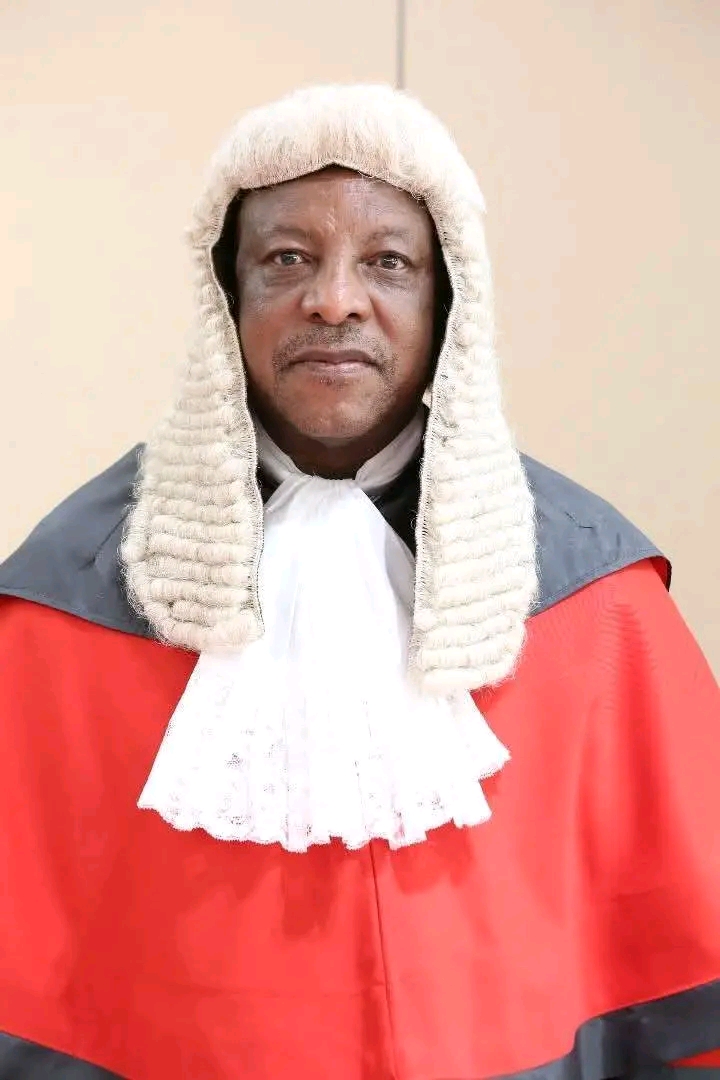
Kaaba expresses concern over Judge Evans Hamaundu’s past rulings, particularly regarding the London High Court judgment on Chiluba and the Public Order Act case.
While judicial decisions can be scrutinized, it is unfair to judge a new appointee based solely on two rulings without considering the broader context of his judicial career. Courts interpret the law based on existing statutes and precedents, and disagreement with a ruling does not necessarily indicate bias or lack of integrity.
2. The Fight Against Corruption: Then vs. Now
Kaaba emphasizes that the ACC board he served on was dedicated to fighting both past and present corruption. However, he acknowledges that they “hit a brick wall,” which raises the question: If the previous board faced such challenges, why assume the new board will have an easier path?
The implication that past efforts were purely hindered by external forces, while the new appointees must prove their worth, seems contradictory.
Additionally, he suggests that fighting past corruption is easier than tackling current corruption. While this is partially true due to power dynamics, it overlooks the role of institutions in strengthening investigative and prosecutorial mechanisms regardless of the political climate. The real challenge is systemic reform, not just individual courage.
3. Scrutiny, Allowances, and Public Perception
Kaaba defends his board against accusations of being compromised, pointing out that allowances were minimal and that their efforts were often misunderstood. However, public trust in anti-corruption bodies is shaped by outcomes, not just intentions. If the ACC failed to make significant strides during his tenure, public skepticism is not entirely unwarranted.
Similarly, while he warns that the new board will face criticism, this is part of public accountability, not necessarily an unjustified attack.
4. The President’s Commitment vs. Institutional Independence
Kaaba highlights President Hakainde Hichilema’s stance that no corrupt official should be protected. While this is a strong statement, it is ultimately the independence of the ACC, not presidential directives, that will determine the success of anti-corruption efforts. The ACC should not be perceived as an extension of the executive but as an autonomous body that holds all administrations accountable, past and present.
Summary of Disagreements
1. Judicial Record: Judge Hamaundu should not be pre-judged solely based on two past rulings. Judicial decisions are complex and based on legal interpretations, not personal preferences.
2. Effectiveness of Past ACC Board: While Kaaba defends his tenure, the lack of major breakthroughs suggests institutional constraints rather than just external resistance. The same challenges may face the new board.
3. Public Perception and Accountability: Criticism of the ACC is not necessarily unwarranted. Public trust is built on visible action and results.
4. Presidential Commitment vs. Institutional Independence: The ACC’s success should be measured by its impartiality and autonomy, not just alignment with the President’s statements.
Final Thought
The fight against corruption in Zambia is an evident ongoing battle requiring strong institutions, unlike in ECL led PF government. The fight is for courageous individuals but all concerned citizens for a better Zambia. While Kaaba raises valid concerns, his assessment of the new board should allow space for fair judgment based on future performance rather than pre-existing skepticism.