
KEEP YOUR AID: ZAMBIA IS NOT FOR SALE
America has now said the quiet part out loud: comply with our mining interests, or your people will suffer. This is not aid. It is coercion. Zambia must reject it without apology.
By Daimone Siulapwa
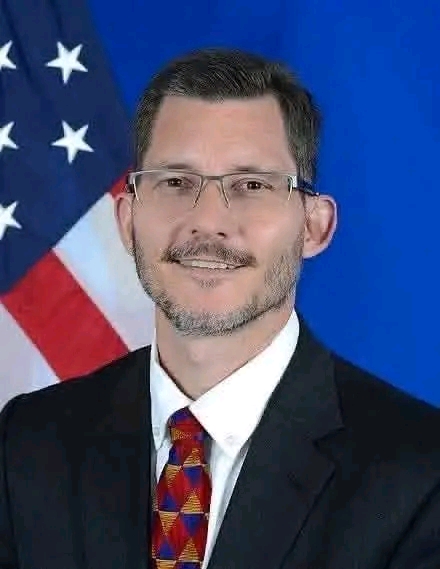
With the bluntness captured on the News Diggers front page, the American envoy to Zambia has confirmed what many Africans have long understood but were discouraged from saying publicly: aid is conditionalobedience.
According to the envoy’s remarks, the United States will not give aid to Zambia while the country “fails to do business” with America as Chinese mines allegedly poison citizens.
This is not a misunderstanding. It is not a slip of the tongue. It is a declaration of policy. The message is simple and brutal. Align your mining sector with American interests, or your people will pay the price. That price includes the withdrawal of aid that sustains health systems, supports clinics, and underpins life-saving programmes.That is not partnership or diplomacy, it is blackmail.
The headline “Those Days Are Over” is revealing. What days, exactly, are over? The days when aid was dressed up as humanitarian concern while serving strategic interests quietly? If so, then at least there is honesty now.The quiet part has been said out loud, America has finally dropped the pretence.
Zambia is being informed that its health, welfare, and international standing are now bargaining chips in a widening geopolitical war between the United States and China. Our country is not being engaged as a sovereign state with its own priorities, laws, and future. It is being treated as contested ground, a pawn in a struggle for control of copper, cobalt, lithium and strategic influence.
Yes, environmental pollution is real. Yes, any mining company, Chinese or otherwise, that poisons water sources and destroys livelihoods must be held fully accountable. Sino Metals and others must face the full force of Zambian law if investigations confirm wrongdoing. Environmental justice is not negotiable.
But environmental concern can not be selectively weaponised.
If pollution were truly the central issue, the response would be consistent, legal, and grounded in Zambia’s regulatory institutions. Instead, pollution is being invoked as moral cover for economic pressure. It is being used to justify withholding aid until Zambia tilts its mining sector in a preferred geopolitical direction.
That is not environmental justice.
That is strategic manipulation.
What makes this moment even more dangerous is the precedent it sets. Aid is no longer presented as support for human life, but as a reward for alignment.
It is now clear that health funding is no longer a humanitarian commitment, but leverage in commercial and geopolitical negotiations. Zambian citizens are being reduced to pressure points and this is an extraordinary ethical failure.
Mining concessions are not short-term arrangements. They bind generations. They shape industrialisation, revenue, land use, and national capacity for decades. To attach such concessions to health funding is to mortgage the future under duress. It is to tell a nation that its children’s tomorrow must be surrendered to secure medicine today.
Zambia has already paid too high a price for externally imposed dependency. Debt restructuring, IMF conditionalities, and austerity have shifted unbearable burdens onto future generations. Now, on top of that, we are being told to trade the very minerals that could liberate those generations in exchange for conditional mercy.
My position to President Hakainde Hichilema and the UPND government is direct and unapologetic: reject this coercion. Do not allow Zambia’s health sector to be weaponised. Do not allow mining policy to be dictated through threats. Do not allow foreign powers, whether American or Chinese, to define Zambia’s sovereignty.
If the United States believes that withholding aid is an acceptable tool of persuasion, then Zambia must respond with clarity and dignity.
They can keep their aid.
Zambia is not a client state. We are not a colony in waiting. We are not owned by Washington, Beijing, or anyone else.

Yes, rejecting this pressure will be difficult. The strain will be real. But hardship endured with integrity is not defeat. What is defeat is surrendering sovereignty while applauding ourselves for avoiding short-term discomfort. A nation that trades its minerals for medicine today will never be free tomorrow.
This moment is bigger than Zambia. It is a test for Africa. If Zambia submits, the lesson to the continent will be unmistakable: defy great power interests and your people will be punished. That is not global leadership. It is imperial discipline.
If “those days are over,” then let it be the end of dependency politics altogether.
Let it be the day Zambia declares that its environment will be protected by its own laws, its resources governed by its own people, and its future decided without blackmail. Our children deserve more than a country that chose comfort over courage, and the future is not for sale, not for aid, not for minerals, and not for anyone.
Daimone Siulapwa is a seasoned Political Analyst and Consultant, as well as a dedicated governance and social activist. He is also a strong advocate for citizens’ empowerment and tribal unity. Comments, dsiulapwa@gmail.com