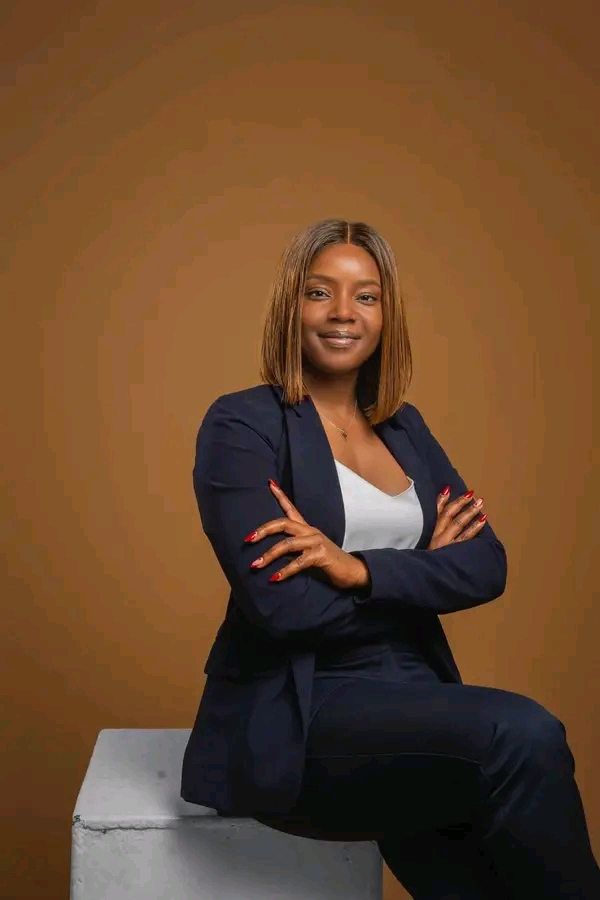

AS YOUTH, WE LOOK TO OUR WOMEN LEADERS—WHY OPPOSE BILL 7?
Dear Women Leaders,
As a young person, I look up to you. I admire your courage, your strength, and the way you stand up for what is right, even when it is hard. I watch, I listen, and I hope to learn from you.
Lately, I have been thinking a lot about some organizations that say they fight for our rights to inclusion.
These organizations are supposed to stand for fairness, equality, and lifting up those who are often left behind. Bringing people together, encourage dialogue, and help build a society where everyone,regardless of age, gender, or ability feels valued.
For too long, women, youth, and persons living with disabilities (PWDs) have been left out of decision-making spaces, especially in governance. And for just as long, I haven’t seen the organizations we trust protest to champion their inclusion.
Now, when the government is taking steps to change that, some of you are pushing back. And I find myself asking: what do we really want?
As young people, we look to you,our mothers, mentors, and role models,for guidance. Is it real inclusion we seek, or selective exclusion?
It’s important to remember that it did not take protests for president Hakainde Hichilema to listen. Through dialogue and submissions, he created a platform that can address discrimination and open doors for those historically left out.

Bill 7 builds on that,it is a practical way to make sure women, youth, and PWDs have a voice in governance.
Its introduction has personally inspired me to take part and represent my fellow young people in Parliament. I hope that those of you that I look up to will not let unclear opinions or hesitation deprive me or others like me of the opportunity to lead and contribute meaningfully.
I write to you not to lecture, but to appeal. Your example matters. Your response to this moment can inspire others young people, women, and PWDs to believe their voices count, to feel that their participation is important, and to know that inclusion is possible.
With respect, I ask: if not through Bill 7 or the constitutional amendment, how else will young people, women, and PWDs be meaningfully included in governance, especially parliamentary representation?
I personally support Bill 7 because it opens doors for voices that have too long been ignored. I dream of a Zambia where everyone regardless of age, gender, or ability has a seat at the table. Together, we can make that dream a reality.
With hope and respect,
Susan Tembo