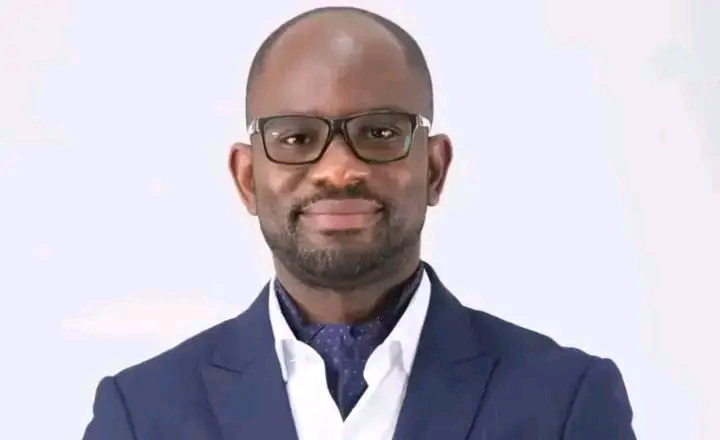

⬆️ COMMENTARY | Binwell Mpundu’s Politics: When Language Becomes a Liability
Binwell Chansa Mpundu, the Independent MP for Nkana, has built his brand on provocation. His speeches are fiery, his Facebook posts blunt, and his rallies punctuated with defiance. But beneath the spectacle lies a dangerous habit: language that insults more than it inspires.
Time and again, Mpundu has turned Parliament into a theatre of name-calling. He is on record mocking a ruling MP as “Freeman” in derision, calling another “Ichimutwe,” big head, when pressed in debate. Even on his social platforms, where he commands a youthful following, his arguments are often overshadowed by demeaning jabs. What could have been moments of policy critique too often become personal attacks.
His recent comparison of Zambia’s governance to prostitution is telling. Yes, it captured attention, but it also exposed a tendency to reach for shock value over reasoned discourse. When he dismisses the Proceeds of Crime law as “useless” and vows to scrap it if elected president, he presents anger without a credible alternative. The problem is not just his position. It is how he frames it with words that sound more like bar talk than statesmanship.
Language matters in politics. It shapes public trust. It signals maturity. It tells citizens whether a leader has the discipline to govern or merely the flair to stir emotions. Mpundu’s supporters may cheer his rawness, but to a wider electorate, his insults risk making him unelectable. Zambia’s political culture has seen fiery figures before; Michael Sata thrived on sharp wit and biting critique. But even Sata knew when to pivot to substance. Mpundu is yet to prove that balance.

His Ichabaice movement is marketed as a new dawn for youth politics. Yet if its leader cannot rise above ridicule, the movement risks being dismissed as noise rather than a vehicle for real change. A man aspiring for the presidency cannot afford to sound like a heckler in Parliament.
The challenge for Mpundu is simple: temper the language. Elevate the debate. Replace insults with vision. Because if every speech is remembered for the slur and not the solution, history will record him not as a reformer, but as another loud politician who mistook volume for value.
The People’s Brief writes not to dismiss opposition voices but to demand more from them. If Mpundu wants to be taken seriously as a future contender, he must first learn that words build or break leadership.
Team Insight: Reporting by McCarthy Lumba | Editorial analysis by Goran Handya
© The People’s Brief | Commentary
The bottom line is Mr. Mpundu is a reflection of his Nkana constituency, just like Mr. Munir Zulu was a reflection of the Lumezi constituency.