
CHINA’S $1 TRILLION TRADE SURPLUS SHOWS THE TRADE WAR DIDN’T SLOW IT DOWN
For the first time in history, China’s global trade surplus has surpassed $1 trillion, a milestone that reveals far more than just strong export numbers.
Despite a steep 29% plunge in exports to the U.S. this November, China’s overall exports grew 5.9% year-over-year. Imports remained stagnant or fell, widening the surplus even further. Through November, China posted a $1.076 trillion surplus, already eclipsing last year’s record.
How is this possible, especially with U.S. tariffs still averaging 47.5%?
Simple: China is diversifying, fast. Exports to the EU jumped nearly 15%. Shipments to Southeast Asia climbed over 8%. The rise of transshipments through countries like Vietnam signals a strategic bypass of U.S. restrictions. At the same time, Beijing has maintained tight controls on domestic consumption and imports, cushioning itself from external shocks.
What’s happening is bigger than a trade headline. It’s structural.
Beijing is intentionally pivoting from dependence on U.S. trade toward a global export strategy that shields it from Washington’s pressure. And it’s working. Even with U.S. import cuts, China continues to dominate global supply chains, leveraging a massive savings base, state-driven manufacturing, and increasingly tight control over raw materials and logistics.
For the United States, this means the trade war hasn’t stopped China, it’s redirected it.
The long-term implications are serious:
– China’s growing dominance in non-Western markets strengthens its geopolitical leverage.

– The global South is increasingly reliant on Chinese goods, financing, and infrastructure.
– Europe, facing stagnant growth and internal fragmentation, may be the next battleground in China’s trade strategy.
Meanwhile, the U.S. trade deficit with China has shrunk 21% year-over-year, a win for Trump’s policy on paper. But Washington now faces a deeper question: has it changed the system, or just the map?
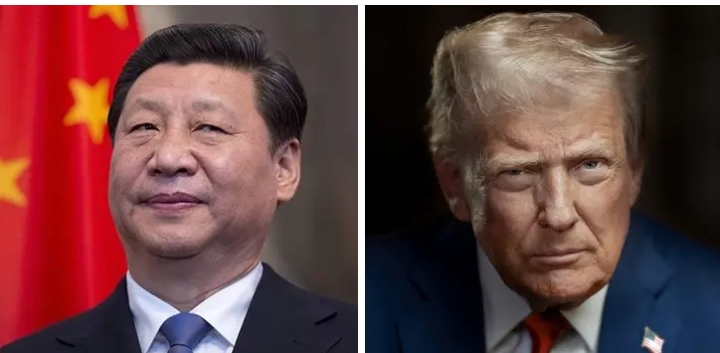
With Trump likely to visit Beijing in April and Xi Jinping eyeing a trip to the U.S. soon, both sides appear willing to negotiate. But this new trade balance shows that Beijing is entering those talks from a position of strength.
The world’s manufacturing engine just posted a trillion-dollar surplus, and it’s not slowing down.
Source: New York Post