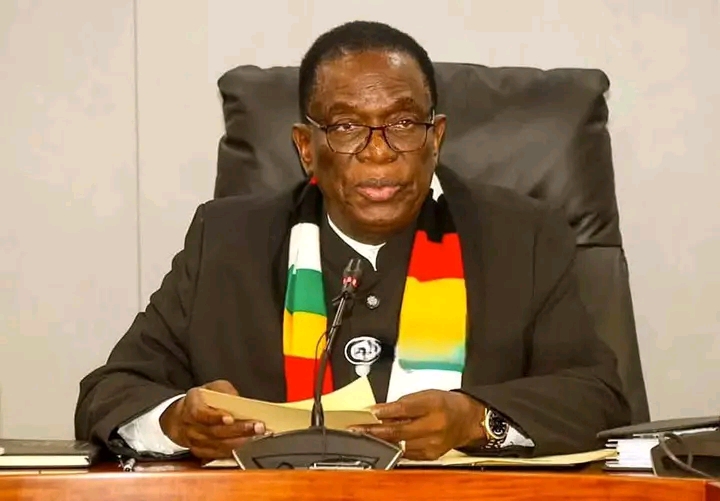

Zimbabwean President Emmerson Mnangagwa is planning to fundamentally change the Constitution in a way last seen in 1987 when ZANU-PF brought the executive presidency.
The Sweeping constitutional changes are being proposed that fundamentally alter how Zimbabwe is governed, how its President is elected, and how key democratic institutions function.
These proposals signal a far-reaching restructuring of the State that consolidates executive power, weakens electoral accountability, and extends political tenure beyond what is currently provided for in the Constitution.
1. Removal of direct presidential elections.
Shifting the election of the President from a public vote to Parliament removes citizens’ direct say in choosing the Head of State. In a dominant-party system, this effectively guarantees that the ruling party’s parliamentary majority decides the presidency, reducing electoral competitiveness and public legitimacy.
2. Extension of presidential and parliamentary terms.
Moving from five to seven years lengthens the period voters must wait to remove an underperforming government. Longer terms entrench incumbents, reduce accountability cycles, and delay democratic renewal, especially where institutions are already weak.
3. Increased presidential influence in Parliament.
Allowing the President to appoint ten more senators expands executive influence over the legislature. Appointed senators often vote with the appointing authority, weakening parliamentary independence and oversight.
4. Transfer of voters’ roll to the Registrar-General.
Moving custody of the voters’ roll from the electoral commission to the Registrar-General raises credibility concerns. The Registrar-General’s office has historically been viewed as executive-aligned, so this shift will undermine confidence in electoral transparency and independence.
5. Fragmentation of electoral management.
Creating a separate Delimitation Commission removes boundary delimitation from ZEC. While framed as reducing overlap, splitting electoral functions will create coordination problems and open space for political manipulation of constituency boundaries.

6. Weakening judicial appointment transparency.
Removing the public interview process for judicial appointments reduces openness. Public interviews were designed to enhance scrutiny, merit assessment, and public trust in the judiciary. Their removal will now politicise appointments.
7. Security sector constitutional dilution.
Changing the Defence Forces’ duty from “to uphold this Constitution” to acting “in accordance with the Constitution” weakens the strength of their constitutional obligation. The original wording imposed an active guardianship role, while the new wording is more passive.
8. Abolition of the Gender Commission
Scrapping the Zimbabwe Gender.
Commission and merging its functions into the Human Rights Commission risks downgrading gender-specific oversight. Dedicated institutions exist because gender equality requires focused monitoring and enforcement.
Taken together, the amendments centralise authority around the executive, extend tenure, influence Parliament, reshape electoral systems, and dilute independent oversight.