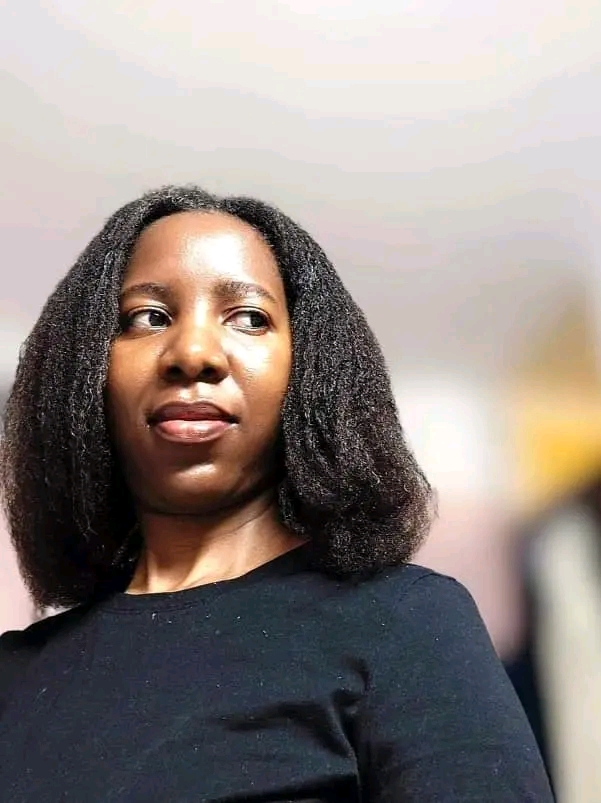

Failures Always Play the Blame Game: The Case of President Hakainde Hichilema- Thandiwe Ketis Ngoma
By Thandiwe Ketis Ngoma
Leadership demands accountability, vision, and decisive action. However, when a leader constantly shifts blame for failures while stealing credit for successes they had no role in achieving, it exposes a deeper flaw: an inability to lead. President Hakainde Hichilema has mastered the art of political evasion, endlessly blaming others for his administration’s incompetence while fraudulently parading the accomplishments of his predecessors as his own.
The Endless Blame Game
Since taking office, Hichilema has turned the Patriotic Front (PF) into his personal scapegoat for every crisis plaguing Zambia. Whether it is the astronomical fuel prices, unbearable mealie meal costs, excessive load shedding, the crushing burden of doing business, reckless printing of new banknotes, or disastrous constitutional amendments, his answer is always the same: blame the PF. Instead of focusing on solutions, he clings to excuses, hoping Zambians will not notice his failure to deliver real progress.
His hypocrisy is glaring. He condemns the PF when it suits him but shamelessly claims credit for their successes. A prime example is the Kazungula Bridge, a landmark infrastructure project fully conceived and executed under the PF government. Despite playing no role in its planning or construction, Hichilema boasts about it as if it were his own achievement. This blatant deception reveals a leader more interested in manipulating public perception than actually governing. It is not leadership; it is political fraud.
Turning on His Own Cabinet
As public frustration grows and his blame game strategy weakens, Hichilema has found new scapegoats: his own ministers. In a shocking display of political desperation, he recently accused them of attending cabinet meetings drunk. This reckless statement raises two critical concerns. First, it confirms his government’s internal dysfunction. Second, it exposes his cowardice in taking responsibility for his administration’s failures.
When he assumed office, he took an unusually long time selecting his cabinet, boasting that he was doing it “methodically.” His exact words were, “You will see the kind of cabinet that I’m going to put in place. Very meticulous.” Yet today, he publicly humiliates the very people he handpicked. This either means he has no ability to judge competent leaders or that he is, once again, inventing excuses to mask his own shortcomings. If his ministers are failing, the ultimate responsibility lies with him. So, what changed? The answer is simple. Hichilema has run out of excuses, and now he is attacking his own allies to distract from his own incompetence.
The Hallmarks of a Failed Leader
Weak leaders blame others. Strong leaders take responsibility. Hichilema has built his presidency on deflection, finger-pointing, and deceit. Whether blaming the PF, his own ministers, or external factors, his failure to own up to his responsibilities cements his legacy as an unfit and incapable leader.
Zambians did not elect a complainer; they elected a problem solver. They expected economic relief, job creation, and real governance, not endless excuses. Instead, they have received nothing but increased suffering, rising debt, and an administration obsessed with excuses rather than solutions. If Hichilema continues his cowardly approach, he will face the full rejection of the very people who once believed in him.
Conclusion
Hakainde Hichilema’s presidency is defined by deception, incompetence, and blame-shifting. From blaming the PF for every economic disaster to throwing his own ministers under the bus, he has shown a complete inability to govern with integrity. A true leader owns up to challenges and finds solutions; a weak leader plays the blame game and evades responsibility.
Zambia deserves better. The nation does not need a president who hides behind lies; it needs a leader who delivers real results. If Hichilema continues on this path, history will not remember him as a reformer but as a weak and failed leader who talked big, blamed everyone, and accomplished nothing.