
Finally, A Debate on Substance: Opposition Engages on Bill 7’s Merits
Open Zambia Editorial
Something important has shifted in Zambia’s constitutional debate. For weeks, discussions around Bill 7 have centered on process, procedure, and symbolic gestures. Opposition leaders condemned the proposed amendments in sweeping terms without identifying which specific provisions posed the threats they described. That appears to be changing, and Open Zambia welcomes it. As an organization committed to constructive dialogue and substantive debate on matters of national importance, we believe this shift toward engaging with the actual content of the bill represents genuine progress.
State House’s challenge to opposition leaders—to point out even one clause in Bill 7 that endangers democracy—has had its intended effect. Rather than retreating into vague denunciations, opposition figures are now engaging with the actual content of the bill. Detailed open letters with clause-by-clause objections have been published. Opposition MPs have announced they will outline their positions on specific provisions in the coming days. Active engagement on social media has documented visits to civil society organizations to discuss substantive concerns about the legislation.
This represents genuine progress. For the first time, we are having the debate Zambia needs: not about who delivered what letter where, but about the merits of specific constitutional changes. We commend every opposition figure willing to engage on this basis. Democracy thrives when leaders debate substance rather than spectacle.
The opposition’s critique focuses on what they call an “autocratic architecture”—claiming that provisions on by-elections, presidential dissolution powers, and nominated MPs combine to weaken Parliament’s ability to check executive power. They argue that reserved seats for women, youth, and persons with disabilities amount to “elite-managed inclusion” that serves as cover for consolidating presidential authority. They question the fiscal logic of abolishing by-elections to save money while adding 55 new MPs.
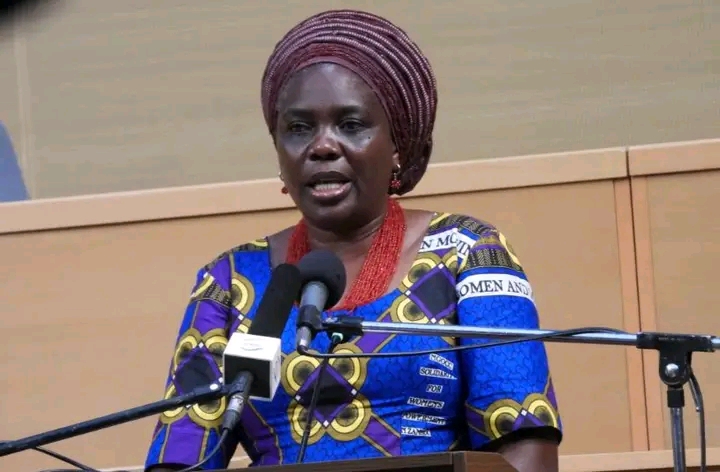
Interestingly, even critics acknowledge that Bill 7 contains beneficial provisions. OASIS Forum Chairperson Beauty Katebe has stated that there are a lot of good things in Bill 7, though she maintains the constitutional amendment process is flawed. This acknowledgment is important—it suggests the debate should focus on distinguishing between substance and process, between problematic clauses and sound reforms.
On the mixed-member proportional representation system that guarantees spaces for marginalized groups, it would be helpful to understand what alternative mechanism the opposition would propose to achieve similar inclusion. This would allow Zambians to compare approaches rather than simply choosing between Bill 7 and the status quo.
Regarding concerns about abolishing by-elections for party-held seats, it’s worth noting that many established democracies employ similar systems. Understanding how those democracies maintain checks on executive power could inform our assessment of whether Bill 7’s specific formulation contains adequate safeguards for Zambia’s context.

On the question of expanding Parliament from 156 to 211 constituency seats based on the Electoral Commission’s delimitation report, it would be valuable to hear whether the opposition’s concern is primarily about cost or about the principle of representation for growing populations. Separating these issues could lead to more productive solutions.
Perhaps most importantly, if Bill 7 contains genuinely problematic provisions alongside beneficial ones, it would help Zambians to know which parts the opposition believes should be preserved and which should be revised or removed. This kind of specificity would move the conversation from wholesale rejection toward constructive amendment.
State House posed direct questions: Do opponents reject delimitation provisions that strengthen fair representation? Do they oppose guaranteed parliamentary spaces for women, youth, and persons with disabilities? The opposition’s attempt to answer “we support inclusion but not this inclusion” rings hollow without a concrete alternative.
If opposition leaders provide the comprehensive, constructive critique they claim to have developed, this debate will advance significantly. But critique without alternatives, condemnation without solutions, and opposition without proposals ultimately serve neither democracy nor the Zambian people.
We praise those willing to engage clause-by-clause with Bill 7’s provisions. Now we challenge them to go further: show us your better vision. The Constitution belongs to all Zambians, and we deserve to see competing ideas debated with the seriousness this responsibility demands.
While It is appreciated that progress is being made through these constructive criticism and meaningful debate.
It is important to note that our politicians have failed us by not remaining patriotic on matters of objectivity and which benefit Zambia as a whole.
It is without question that some of the clauses in Bill 10 have found themselves in Bill 7. This is clear as both sides identified the seriousness of leaving them unaddress. What is is surprising is that these same clauses presented by the previous government then where all thrown out as bad. Instead of the opposition then together of the civil society and Church Mother Bodies who were not objective hence trashing everything in Bill 10.
This time around some of those same clauses have now being supported in Bill 7 and now make sense to the current government. Records are there to check on the responses made and the turn around which has been made. This is absolutely confusing by they way. Lets call a spade a spade.
There is no harm in admitting that some of the vehement arguments made then were made in ignorance on some of the progressive changes which are now being advocated for.
The same problem is now being made. The opposition is just being reactionary as they seem to have a bruised ego concerning the rejection of their bill 10.
If some of the clauses are identical to what they wanted in Bill 10, it does not make sense to reject the enter bill 7 , that would be like saying they don’t believe what they proposed then holds any merit. Infact instead they can actually make an argument that their opponents have borrowed their ideas hence proving they were right. This would actually vindicate them instead of them fighting some of their brilliant ideas. Either way it would be clear that they were right all along on some points and not on everything.
I feel its time to be patriotic and debate on objectivity which will benefit the future generations and not crying over sour grapes.