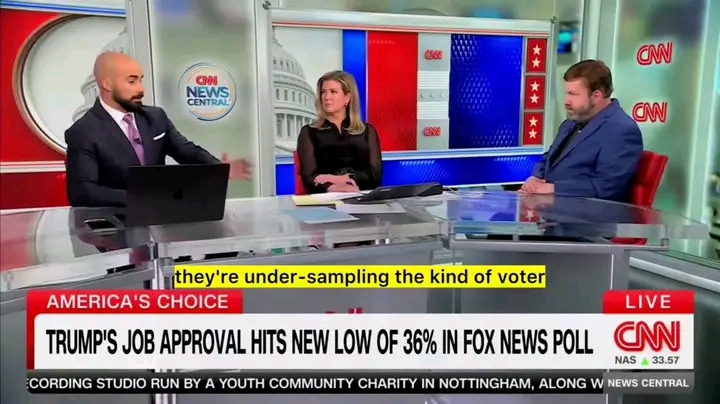

Frank Luntz Just Admitted the Polls Still Can’t Find Trump Voters
CNN brought on longtime Republican pollster Frank Luntz and asked him the question every conservative has been asking for a decade: Are the polls undersampling the non-engaged Trump voters who don’t pick up the phone?
Luntz didn’t dodge it. He owned the miss that made him famous for the wrong reasons.
“I got 2016 wrong. I believed in the exit polls. Trump voters walked away, refused to participate because they thought that it was against them. They thought that the polls were all biased.”
He said it while teaching at West Point, where the code of honor leaves no room for spin. The same dynamic is playing out again right now. Republicans are being told not to trust the polls, and a lot of them are taking the advice. Luntz knows it: “In the end, Republicans are less likely to participate. They’re less likely to believe the polls are happening.”
That’s not a minor methodological footnote. It’s the entire game. Polls that sample people who will talk to a stranger about politics are systematically missing the voters who actually show up when they feel the stakes are high and the media is against them. Luntz is openly skeptical that the current surveys are measuring the right people.
“I’m not convinced that they’re doing it. That they’re polling how the electorate overall feels and not polling the people actually going to participate.”
The fix, he says, is not more phone calls. It’s looking people in the eye. In focus groups and one-on-ones, he can tell who is actually going to vote and who is just answering a survey to be polite. The tell is body language and engagement, not a checkbox.
He offered three specific questions that actually predict turnout:
“How interested are you in the election, number one. Number two is how often do you collect election news, political news. And number three, how often do you talk politics to your friends and neighbors. Those are three essential questions in determining turnout. And I hate to say this, but a lot of polls don’t ask it.”

Most public polling skips those filters and then pretends the resulting sample is the electorate. It isn’t. It’s the people willing to talk. The people who stay silent, or who only talk to their own neighbors, get undercounted until Election Day. Luntz has seen this movie before. He already paid for the ticket in 2016.
The midterms are weeks away. The same pollsters who missed the last Trump cycle are once again projecting strength for Democrats while quietly admitting they still don’t have a reliable way to count the voters who put Trump over the top.
Luntz’s advice is simple: stop staring at the horse-race numbers and start watching who is actually engaged enough to show up. Turnout decides it, and a lot of the people measuring turnout still aren’t asking the right questions.