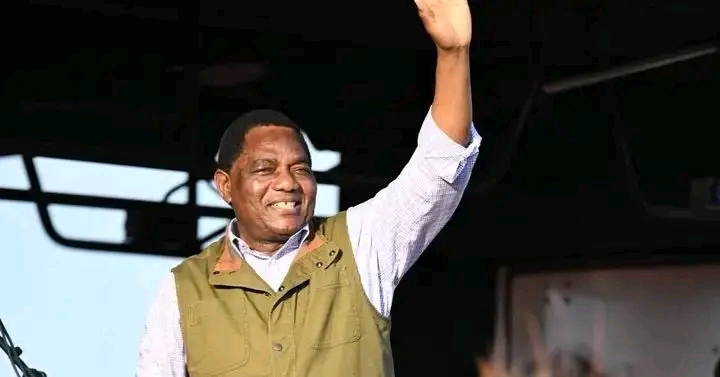

VIEWPOINT | Hichilema Breaks the Silence as Politics Shift
President Hakainde Hichilema did something last night that altered the tone of a growing national debate. He spoke not through a statement or his through aides. He spoke directly, live, over the phone, on Diamond TV.
This single act mattered.
For weeks, the President’s absence from public view had created a vacuum. Into that vacuum flowed rumours, suspicion, and political anxiety. Opposition figures were right to ask questions. An election year sharpens attention. A President known for public engagement does not vanish quietly without raising eyebrows. Government responses before last night were defensive and procedural, but not convincing enough to calm a restless political climate.
The phone call changed that.
By taking the call while presenters were pressing Media and Information Permanent Secretary Thabo Kawana on live television, the President reclaimed control of the narrative in real time. It was not scripted. It was not filtered. It carried the weight of immediacy. For a public that had grown used to seeing only morning reflections posted online, hearing the President’s voice mattered more than seeing another photograph.
On substance, the President chose a sensitive subject. Farmer payments. He explained how government moved from a planned purchase of 500,000 metric tonnes of maize to 1.6 million tonnes after farmers responded strongly to calls for production following drought. He framed the delay as a consequence of protecting farmers from exploitative buyers, not neglect.
Hichilema admitted the frustration. He apologised. This apology is important. It acknowledges pain without deflecting blame.
He also gave specifics. Funds deposited. Payments ongoing. Logistical bottlenecks. Farmers without banking access. Pressure placed on banks. These details did not erase anger, but they grounded the issue in process rather than conspiracy.
More importantly, he placed maize payments within a wider economic logic. Zambia produces more maize than it consumes. Export markets matter. Regional demand matters. Value addition matters. This was not campaign rhetoric. It was policy framing aimed at voters who increasingly want explanations, not slogans.
Then he addressed the rumour head-on. He said he was well. He rejected the use of sickness and death as political tools. That line landed because it was delivered calmly, not defensively. The silence that had fueled speculation ended the moment his voice entered the broadcast.

This appearance does not erase earlier questions. It does not answer why the President chose silence for so long in an election year. It does not replace the visibility many Zambians expect from a leader who built his brand on openness. But it does reset the conversation.
Politically, the opposition loses momentum on the illness narrative. Substantive criticism now has to return to policy, performance, and governance. For government, the lesson is clear. Absence creates space. Space invites interpretation. In a charged political season, silence is never neutral.
Hichilema reminded the country why he is often described as approachable. He did not hide behind protocol. He took the call. He explained. He apologised. He reassured.
The debate now shifts from where the President is to what the President is doing. That is where democratic scrutiny belongs.
© The People’s Brief | Ollus R. Ndomu