
TRUMP TURNS AGAINST ZELENSKYY—AND MOSCOW’S FRIENDS GET THE MESSAGE
Donald Trump has now made his position unmistakably personal.
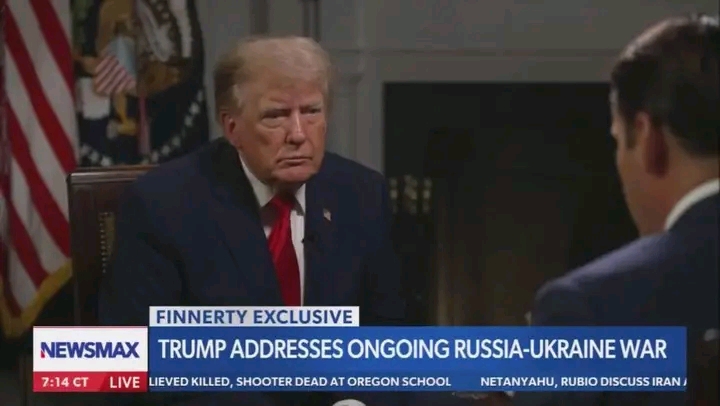
“Zelenskyy is not a good guy for us to deal with,” Trump said. “He doesn’t want to settle. He says he wants to settle, but he doesn’t. I’m not a big fan of Zelenskyy. They’ve destroyed that country.”
Trump then described Zelenskyy as more difficult to negotiate with than Vladimir Putin—the man who ordered the invasion, occupies Ukrainian territory and continues launching missiles and drones against Ukrainian cities.
Zelenskyy has publicly said that he feels betrayed by Trump and believes the American president is being pushed onto the wrong side of history. He has not rejected peace. Ukraine has repeatedly offered negotiations and even accepted Trump’s proposed energy ceasefire, only for Russia to continue striking Ukrainian power infrastructure.
What Zelenskyy refuses to accept is surrender disguised as a settlement.
The United States and Russia have not become formal allies, but the direction of Washington’s pressure is increasingly difficult to ignore. Trump is demanding that Ukraine stop striking Russian refineries, reopening trade in Russian diesel, questioning Ukraine’s elected leadership and blaming Zelenskyy for refusing terms favorable to Moscow. Meanwhile, Putin continues bombing Ukraine without facing comparable public condemnation from the American president.

That message has also been received by Europe’s pro-Russian far right. In Berlin, figures from Germany’s AfD are already presenting Washington’s behavior as proof that America has abandoned neutrality and moved toward Moscow. Similar political movements across Europe will treat Trump’s words as validation of their own efforts to weaken support for Ukraine.
Few could have imagined the day when an American president would speak more harshly about Ukraine’s wartime leader than about the dictator who invaded his country—and that Europe’s pro-Kremlin parties would celebrate Washington’s direction as their own political victory.
The White House may still call itself a mediator. But when nearly every demand is placed on the victim while the aggressor receives trade, patience and political cover, neutrality becomes increasingly difficult to recognize.