
⬆️ ANALYSIS | Inside UPND’s Growing Generational Rift
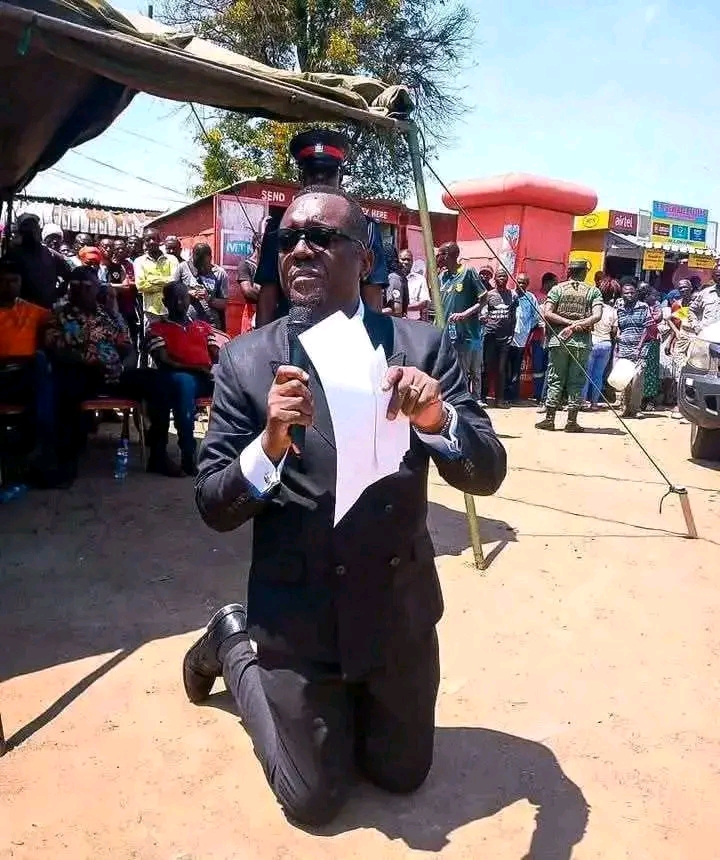
Mazabuka Central MP Gary Nkombo’s declaration that “old MPs will only retire together with Hichilema in 2031” has reopened a quiet but growing fault line within the ruling United Party for National Development (UPND). It captures a deeper struggle between the party’s liberation veterans and the impatient generation that wants renewal before the next election.
Nkombo’s defence of long-serving MPs, couched in loyalty and sacrifice, reflects the sentiment of a founding guard that equates seniority with entitlement. “Where were you when we were being beaten?” he asked, invoking the party’s years in opposition as moral credit for continued tenure. His appeal is emotional, but politically risky. It ties longevity to legitimacy in a climate where citizens are demanding performance, not history.
The UPND’s dilemma is structural. Twenty-three years in opposition built a party culture of endurance, loyalty, and internal hierarchy. But government requires adaptability and generational transition. Many of its youthful supporters who powered the 2021 victory now view the old guard as gatekeepers of privilege, not guardians of principle. The call for change is not simply rebellion, it reflects shifting demographics and rising expectations within the base.
Yet, Nkombo’s argument carries a truth about political memory. Parties that purge veterans too quickly risk losing institutional knowledge and the discipline that held them together in opposition. A complete generational sweep could fracture the party and weaken its cohesion in Parliament. The challenge is to reform without erasing the experience that anchors the movement.
What the UPND faces is less a clash of ambition and more a test of political evolution. If renewal is delayed until 2031, the risk is that younger voices may disengage or drift toward alternative movements. If change comes too abruptly, it could destabilize a party still learning the weight of incumbency. The equilibrium lies in planned transition: mentorship, internal primaries, and performance-based retention, not emotional loyalty tests.

Nkombo’s words, while defiant, expose a wider anxiety in the UPND: how to move from struggle politics to statecraft, from comradeship to competence. The opposition years forged unity in pain. The governing years now demand unity in progress. Whether the party can make that shift before 2026 will determine if it remains a liberation story or becomes a renewal story.
© The The People’s Brief | Ollus R. Ndomu
We need a younger generation not the old folks, what will Jack Mwiimbu and Garry Nkombo deliver which they haven’t achieved in the past twenty years of being a member of Parliament. These two members of Parliament will make HH lose the general elections…if HH listens please let tell his long serving members of Parliament to leave room for the young generation.
Calling people old folks is called Ageism.
The same old folks you are biased against are the ones who got the UPND where it is. Just because they have been with the party for over 20 years does not disqualify them. Instead, rate their function on the work they have done for the past five years and not their age.
The youths must continue to support the veterans, who in turn will train them to take over the party.
Nothing like that, let the old stay around. those are wrong temptations.You must have a powerful technic to solve the puzzle.The party will solve the puzzle it is actually small.isue.