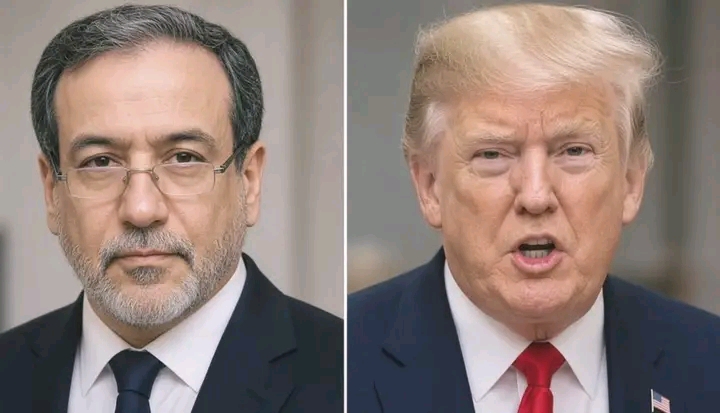

IRAN’S FOREIGN MINISTER THREATENS “HELL” AFTER U.S. MIDTERMS
Iran’s Foreign Minister Abbas Araghchi wasted no time after the 2026 midterm results. He posted a blunt ultimatum aimed straight at the White House: accept Tehran’s standing “2-day proposal” or face military retaliation from what he called “alert and battle-hardened Warriors.”
The full statement reads: “American voters have made their choice. Time for the White House to make its own. Our 2-day proposal stands: meet the requirements, including end to war on all fronts, and you will see results. Or choose war, and see our alert and battle-hardened Warriors rain down hell.”
This is classic Iranian regime language—diplomatic window dressing wrapped around open threats. The 2-day proposal is a compressed version of an earlier seven-day plan, pushed through Qatari and Pakistani mediators. It demands the United States lift sanctions, unfreeze Iranian assets, restore oil waivers, reduce its regional military presence, recognize new Iran-Oman shipping lanes, end the blockade on Iranian ports, and stop fighting “on all fronts,” including support for Israel against Iranian-backed forces in Lebanon. In exchange, Iran would reopen the Strait of Hormuz to commercial shipping within two days.
Araghchi is framing the midterms as a voter rejection of confrontation with Iran. That reading ignores the regime’s long record of using negotiations to buy time while advancing its nuclear program, funding proxies, and threatening energy routes. The timing—right after election results that weakened the current administration’s political standing—is deliberate. It pressures Washington to offer concessions while the political window looks uncertain.
The choice Araghchi presents is false. Meeting those demands would reward the very behavior that closed the Strait and escalated regional conflicts in the first place. Iran has repeatedly used the Hormuz chokepoint as leverage, not as a good-faith bargaining chip. “Ending war on all fronts” from Tehran’s perspective means halting pressure on its proxies and accepting the status quo that allows the regime to rebuild strength.
The statement also confirms what the regime has shown for decades: it responds to perceived weakness with maximalist demands and theatrical threats. Battle-hardened rhetoric does not change the underlying reality that Iran’s conventional forces and proxies have limits, especially against sustained U.S. and allied pressure. But it does signal that Tehran sees the post-midterm period as an opportunity to extract concessions rather than make genuine compromises.
Washington’s next steps will matter more than any single election cycle. Appeasement has never restrained the Islamic Republic. Clear consequences for threats to shipping, continued support for terrorism, and nuclear advances have. Araghchi’s post is less a serious peace offer than a reminder that the regime calculates it can outlast political shifts in the United States.