
Iran’s New War Strategy Takes Shape — Survive the First Strike, Rebuild Underground and Strike Back Beyond the Battlefield
Iran appears to be reshaping its military strategy around one central objective: ensuring that even a massive US-Israeli air campaign cannot eliminate its ability to retaliate.
Rather than relying solely on conventional defences to prevent enemy attacks, Tehran is increasingly emphasising military endurance — protecting weapons, dispersing critical infrastructure and preserving the ability to launch counterattacks after sustaining heavy damage.
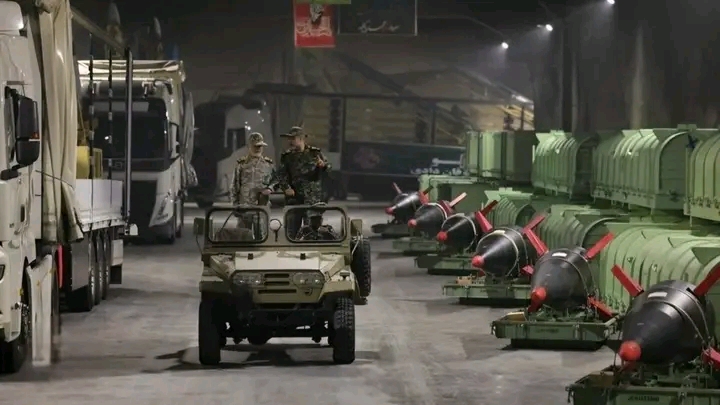
The first pillar is underground warfare. Iran is expanding its network of underground missile facilities and moving parts of its missile and drone production lines beneath the surface. The objective is not simply to hide weapons, but to keep manufacturing, storage and operational capabilities functioning during prolonged attacks. The unveiling of the latest underground “Missile City” on November 10 offers a public demonstration of this approach.
The second pillar is a strategy of sustained retaliation. Ballistic missiles, cruise missiles and unmanned aerial systems provide Iran with multiple ways to strike military installations and strategic infrastructure. Large-scale missile and drone attacks can also force adversaries to expend expensive air-defence interceptors while placing pressure on several targets simultaneously.
The third pillar is expanding the geographical and economic consequences of a conflict. Iran has repeatedly warned that retaliation could extend beyond the immediate battlefield, while the Strait of Hormuz and Gulf energy infrastructure remain major sources of strategic leverage. Any disruption to these routes could turn a regional military confrontation into a wider economic crisis.
A fourth pillar is rebuilding under fire. Iran is seeking to preserve domestic production capacity and maintain supply networks so that damaged weapons stocks can be replenished. However, claims of complete self-sufficiency should be treated cautiously: investigations have identified foreign procurement networks supplying materials and industrial equipment linked to Iran’s military production.
This strategy also has vulnerabilities. US and Israeli strikes have damaged missile facilities, launch infrastructure and access tunnels. Underground bases are difficult to destroy completely, but blocked entrances, damaged production equipment and shortages of critical components can still restrict their effectiveness. The actual number of operational missiles and the condition of Iran’s production network remain difficult to verify independently.
Taken together, these developments point to a shift in Iran’s military thinking: the objective is no longer simply to prevent an enemy from striking, but to make sure that striking Iran does not end its ability to fight back.
If this approach continues, future confrontations may be shaped less by who delivers the first blow and more by which side can sustain military pressure, replenish its capabilities and absorb the economic and political costs for longer.