
By CIC International Affairs.
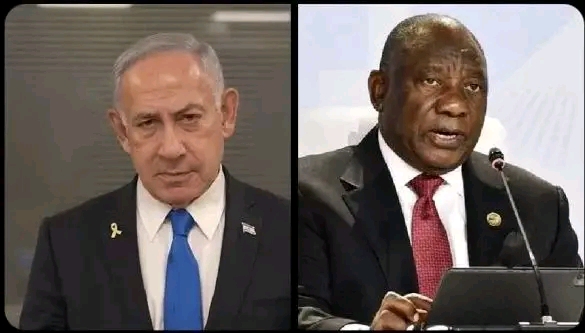
ISRAEL BEGS AMERICA TO PUNISH SOUTH AFRICA WITH SANCTIONS IF PRETORIA DOESN’T WITHDRAW GENOCIDE CASE AT ICJ WHICH IS DOING MORE HARM TO TEL AVIV AS HEARINGS SET TO BEGIN THIS 2026.
Israel-In a move that has ignited global outrage and diplomatic tensions, Israel is reportedly pushing the United States to impose sanctions on South Africa unless the African nation withdraws its landmark genocide case against Israel at the International Court of Justice. This pressure comes amid escalating scrutiny over Israel’s actions in Gaza, where South Africa’s legal challenge has accused the country of violating the Genocide Convention.
For ordinary South Africans who take pride in their nation’s stand for justice on the world stage, this threat feels like a direct attack on sovereignty and moral principles. As the case heads toward key hearings in 2026, the possibility of US sanctions looms large, potentially hitting South Africa’s economy hard at a time when recovery is crucial. This development not only tests alliances but also highlights the high stakes of holding powerful nations accountable. Drawing from the lobbying efforts, US legislative moves, South Africa’s defiant stance, the case’s background, and the broader implications for international law and diplomacy, we explore this unfolding drama, the human cost in Gaza, and what it means for global justice in a world where politics often trumps principles.
Israeli officials have been actively lobbying US lawmakers to pressure South Africa into dropping its genocide case at the ICJ, viewing the legal action as a direct threat to their interests. This behind-the-scenes effort aims to leverage America’s influence, with calls for sanctions or aid cuts if Pretoria does not back down. The lobbying intensified after South Africa’s case gained traction, with Israel describing it as a “profound distortion” of facts during early hearings.
This strategy ties into Israel’s broader response to the case, where they have argued that South Africa is distorting the truth and that any genocidal acts, if they occurred, were against Israel itself. By enlisting US support, Israel seeks to isolate South Africa diplomatically, using economic leverage to force a withdrawal. For Israel, the case represents not just a legal battle but a challenge to their narrative on the Gaza conflict, making high-level lobbying a key tool in their defence.
In response to Israel’s lobbying, US lawmakers have advanced bills that threaten sanctions on South Africa over its ICJ stance. One such measure, dubbed a “disgrace” by critics like Rep. Rashida Tlaib, calls for reviewing US-SA relations, potentially leading to aid cuts or trade restrictions if South Africa does not change course. This bill, advancing through the House, reflects growing pressure from pro-Israel groups in Congress to punish nations seen as opposing Israel’s actions.
The US has already taken steps, like revoking visas for South African officials linked to the case, showing a willingness to use diplomatic tools for leverage. These moves stem from concerns that South Africa’s case could set precedents for other nations, complicating US support for Israel. For South Africa, this threat could impact exports like wine or minerals to the US, hitting jobs and the economy hard.
Critics argue this interferes with international law, calling it a “disgrace” that undermines the ICJ’s role in addressing genocide claims. The bills highlight how powerful alliances can sway global justice, putting pressure on smaller nations like South Africa to back down.
South Africa’s Defiant Stance: ‘We Won’t Bow to Threats’
South Africa has stood firm against US pressure, vowing not to withdraw its ICJ case despite threats of sanctions. Officials have called the US moves a “disgrace,” arguing they undermine global justice and South Africa’s right to seek accountability for alleged genocide in Gaza. Pretoria has already faced repercussions, like visa revocations for former diplomats over the case, but remains committed, seeing it as a moral duty rooted in their anti-apartheid history.
The government insists the case is about upholding the Genocide Convention, not politics, and has received support from allies who view US threats as bullying. For South Africans, this defiance boosts national pride, showing the country’s willingness to stand for principles on the world stage. However, it risks economic fallout, with potential sanctions hitting trade and aid, affecting jobs in sectors like agriculture and mining.
This stance echoes South Africa’s foreign policy of supporting oppressed peoples, as seen in their calls for peace in other conflicts. By refusing to back down, they set an example for other nations, but at a cost that could test their resilience.
South Africa filed the case against Israel at the ICJ in December 2023, accusing them of genocide in Gaza under the 1948 Genocide Convention. The application sought emergency measures to halt Israel’s military actions, arguing they violated the convention by killing Palestinians, causing serious harm, and creating conditions that could destroy the group.
The ICJ issued provisional orders in January 2024, calling on Israel to prevent genocidal acts and ensure aid reaches Gaza, but stopped short of a full ceasefire. Further orders in March and May 2024 expanded this, urging Israel to halt operations in Rafah and allow investigations. In July 2024, the court ruled Israel’s occupation of Palestinian territories unlawful, calling for an end to settlements.
Israel has denied the claims, calling South Africa’s case a “disgrace” and arguing it distorts facts. They say their actions target Hamas, not Palestinians, and have accused SA of siding with terrorists. The case has divided opinions, with some seeing it as a brave stand for justice, while others view it as politicized.
For South Africa, it ties to their history of fighting apartheid, seeing parallels in Gaza’s struggles. The ongoing case has drawn global attention, with countries like the US supporting Israel and others backing SA’s call for accountability.
For South Africa, it ties to their history of fighting apartheid, seeing parallels in Gaza’s struggles. The ongoing case has drawn global attention, with countries like the US supporting Israel and others backing SA’s call for accountability.
Human Cost in Gaza: The Stories Behind the Case
South Africa’s case stems from the devastating impact of Israel’s operations in Gaza, where over 45,000 Palestinians have died since October 2023, with many more injured or displaced. The conflict has destroyed homes, schools, and hospitals, creating a humanitarian crisis with shortages of food, water, and medicine.
Stories from Gaza tell of unimaginable suffering children orphaned, families separated, and communities reduced to rubble. One account describes a mother losing her child in a bombing, her grief echoing the pain felt by thousands. These human tales fuel SA’s push for justice, arguing the scale of destruction meets the genocide definition.
Israel counters that their actions are self-defence against Hamas, but reports of civilian deaths and blocked aid have drawn international condemnation. The case seeks not just to label but to stop the harm, calling for ceasefires and accountability.
Implications for Global Diplomacy and Justice
This pressure on South Africa highlights how powerful nations use economic tools to influence international law, raising questions about justice’s independence. If sanctions hit, SA’s economy could suffer, with losses in trade and aid affecting jobs and growth. But standing firm could boost SA’s global standing as a defender of human rights, inspiring other nations to speak up.
For the ICJ, the case tests its role in holding states accountable, with outcomes that could set precedents for future conflicts. In a divided world, it shows how alliances shape justice, with the US’s pro-Israel stance clashing with SA’s push for fairness.
For South Africans, this tests national resolve will we bow to threats or stand for principles? The answer could define our place in the world.
In the end, this breaking development calls us to support justice, no matter the cost. Let SA’s courage inspire a world where truth prevails over power.
CIC PRESS TEAM