🇿🇲 BRIEFING | KBF Draws Online Ridicule Over Alleged Use of AI-Generated Images
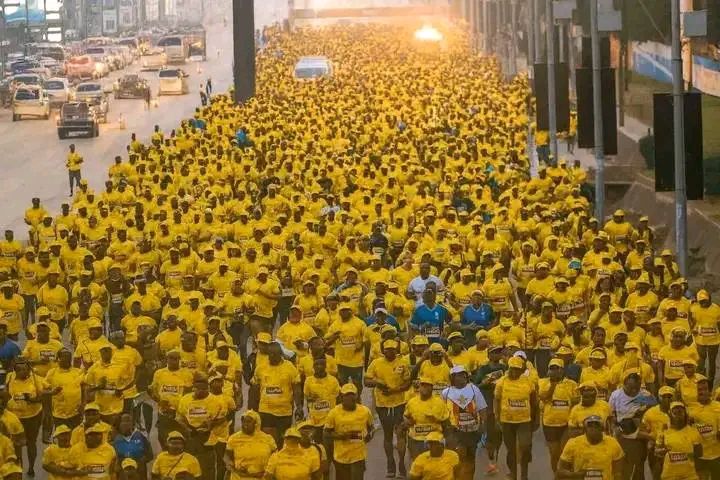
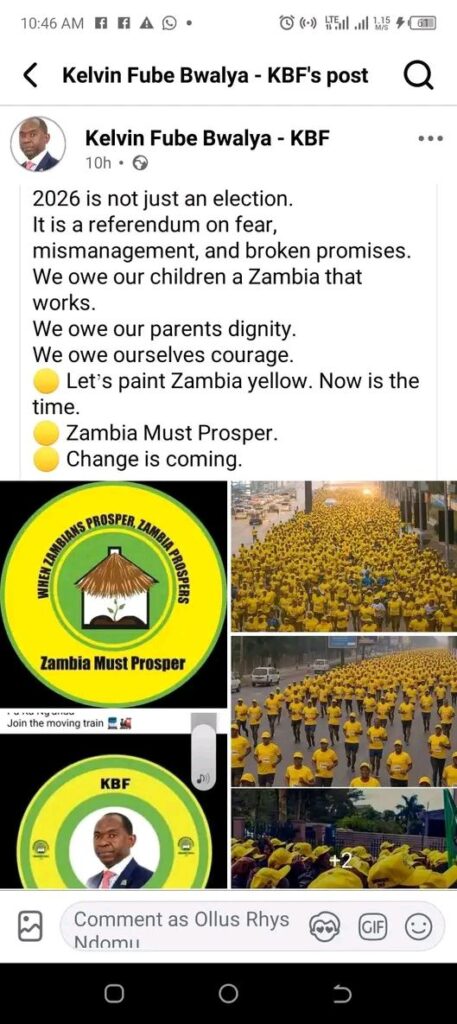
Opposition figure Kelvin Bwalya Fube, popularly known as KBF, has come under sustained social media scrutiny after images shared on his official Facebook page were accused of being generated using artificial intelligence.
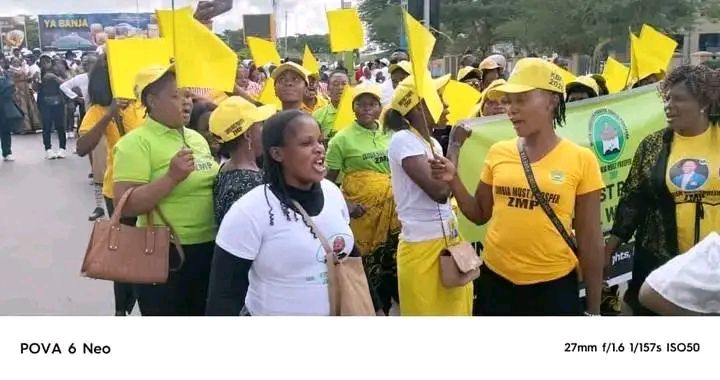
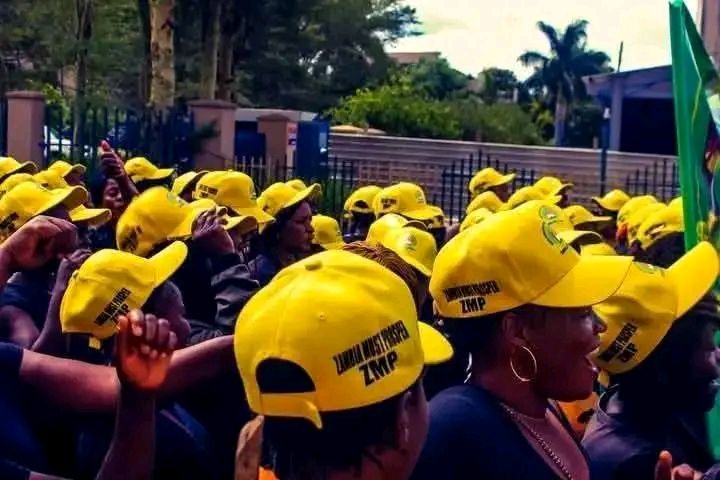
The images, posted alongside a politically charged message positioning the 2026 general election as a “referendum on fear, mismanagement and broken promises,” depict large crowds dressed in yellow, running or marching in apparent support of the “Zambia Must Prosper” slogan.
Almost immediately, users in the comments section questioned the authenticity of the visuals.
Several commenters mocked the imagery, suggesting it was computer-generated. “Abana AI,” one user wrote, while another quipped, “Just continue with AI, you’ll soon be an AI Zambian president.”
Others took a more sarcastic tone, asking whether “AI has voter cards too” and joking that the crowds represented “25.8 million yellow voters.”
The ridicule escalated as users linked the alleged AI imagery to broader political jabs. One commenter suggested the opposition had “turned to AI,” while another mockingly described KBF as a “chief strategist using AI.”
Some comments and shares attracted dozens of reactions, indicating wide engagement and amplification of the mockery.
KBF has not publicly clarified whether the images were digitally generated, enhanced, or sourced from real events. However, the episode has reignited debate about the use of artificial intelligence in political communication, particularly as Zambia edges closer to the 2026 polls.
Digital campaigning has increasingly relied on visuals to project momentum and popular support. Analysts note that while AI tools can enhance messaging, their use without transparency risks undermining credibility, especially in politically charged environments where misinformation is a growing concern.

The incident also highlights the heightened scrutiny facing opposition figures online, where social media users are quick to interrogate narratives and challenge perceived exaggeration.
As one political observer noted privately, optics matter as much as policy, and digital missteps can quickly overshadow substantive messaging.
With election season approaching, the KBF episode serves as an early signal of how technology, perception, and political trust are likely to collide in Zambia’s increasingly digital public square.
© The People’s Brief | Mwape Nthegwa