
🇿🇲 MORNING WIRE | Lungu Burial Appeal, Business Reforms, IMF Confidence
Zambia’s political and economic news cycle is tightening around three fault lines: the unresolved burial dispute of former President Edgar Lungu, an accelerating reform push to cut the cost of doing business, and fresh government messaging that Zambia’s IMF programme has restored credibility after the 2021 debt crisis.
The headlines from Tuesday signal a country balancing legal contestation, institutional restructuring, and a reform narrative heading deeper into an election year.
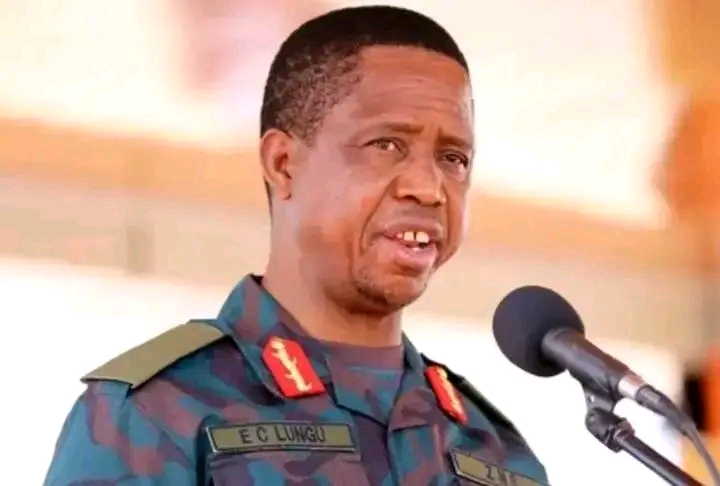
The Lungu family has filed a notice of appeal in South Africa’s Supreme Court of Appeal against the Pretoria High Court ruling ordering the repatriation of Edgar Lungu’s remains to Zambia for burial with full state honours.
The appeal comes nearly two months after leave was granted in December, and just a day after Zambia’s Economic and Financial Crimes Court ordered the forfeiture of 79 vehicles and 23 properties linked to Dalitso Lungu under a non-conviction based process.
The burial standoff has now stretched eight months since Lungu’s death on June 5, 2025, with the family arguing he did not want President Hakainde Hichilema near his body, while government maintains there is no credible evidence supporting burial outside Zambia and insists the presidency must be treated as a national institution beyond politics.
Across the economic space, the Business Regulatory Review Agency says it is intensifying licensing reforms aimed at reducing duplication and lowering compliance costs. BRRA board chair Dominic Kapalu says proposals include consolidating multiple levies into a single business levy, introducing omnibus licensing in tourism, and pursuing a Business Facilitation Act modelled partly on Mauritius to streamline reforms across several laws.
The Agency says its digital E-Registry recorded nearly 191,000 visits in 2025, a 45 percent increase from 2024, signalling growing reliance on online regulatory systems.

Meanwhile, Chief Government spokesperson Cornelius Mweetwa says Zambia has passed all six IMF programme assessments conducted under President Hichilema, arguing this reflects prudent management and rising international confidence. He said IMF support is structured to complement the national budget, with resources directed toward infrastructure, power generation, water harvesting, and social sectors.
Mweetwa acknowledged the programme required painful decisions, but framed them as unavoidable given the debt default and fiscal distress inherited in 2021, saying, “You cannot give what you do not have.”
Taken together, Tuesday’s developments underline the overlapping pressures shaping Zambia’s current moment: a politically charged legal dispute around a former president’s burial, a sharper anti-corruption posture, and a government seeking to anchor its economic case in reform credibility and institutional confidence.
© The People’s Brief | Mwape Nthegwa & Goran Handya