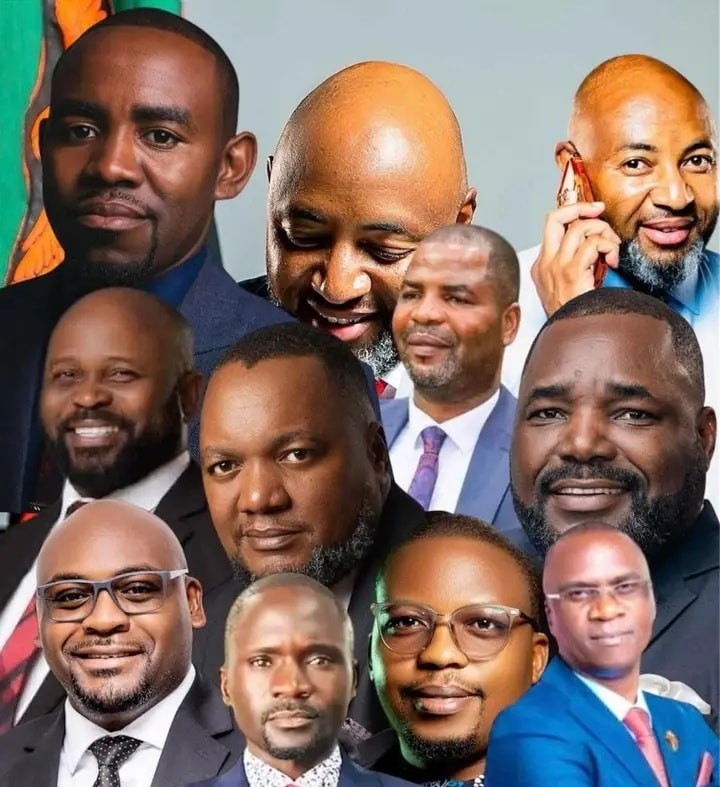

Matero Becomes a Crowded Political Battleground as Voters Weigh Leadership and Presence
Matero Constituency has firmly emerged as one of Lusaka’s most crowded and closely watched political battlegrounds, with no fewer than eight to ten aspirants actively working the ground ahead of the 2026 general elections. Rather than a contest defined by one or two individuals, the race is increasingly shaped by broader questions of leadership, presence, and connection with the people.
The constituency has, for a long time, been associated with Miles Sampa, the sitting Member of Parliament, whose past energy and visibility helped build strong ties with residents. However, sentiments expressed both on social media and on the ground suggest that many voters are now questioning whether that same level of engagement still exists. The discussion in Matero is no longer only about legacy, but about continuity of presence and responsiveness to everyday community concerns.
At the same time, several aspirants have stepped up to fill the political space, each attempting to demonstrate relevance through consistent ground work. Names such as Dickson Jere, Alexander Mumba, David
Kakoma nd other emerging figures continue to surface in community conversations, with residents noting their visibility, mobilisation efforts and participation in local activities. These aspirants, many of whom have “always been on the ground,” are increasingly being measured by how well they recognise, listen to and engage the people of Matero.
Within this crowded field is also Nawa Nawa, the youngest of the aspirants and a contender on the United Party for National Development (UPND) ticket, which itself has five active hopefuls. His presence does not dominate the race, but it adds another layer to the unfolding narrative. As a youthful and resilient entrant, Nawa Nawa represents a generation seeking recognition through humility, steady engagement and community work rather than political seniority.
The central question emerging in Matero is not about choosing one vibrant individual, but about leadership that reflects the people’s lived realities. Residents are openly asking whether they should give the sitting MP another chance, whether the narrative is shifting as it did in constituencies like Chawama, or whether one of the many hardworking aspirants has done enough in the limited time before 2026 to earn their trust.
As competition intensifies, voters appear to be weighing tangible actions over promises: who has visited them, who has spoken with them, who understands their challenges, and who can carry forward the energy they once felt with previous leadership. With multiple contenders pushing from different angles, Matero’s race is shaping into a referendum on presence, resilience and people-centered leadership.
Ultimately, the outcome will rest with the people of Matero themselves—deciding whether continuity, change, or a blend of both best serves their aspirations in the next chapter of the constituency’s political journey.