
Open your eyes Zambia
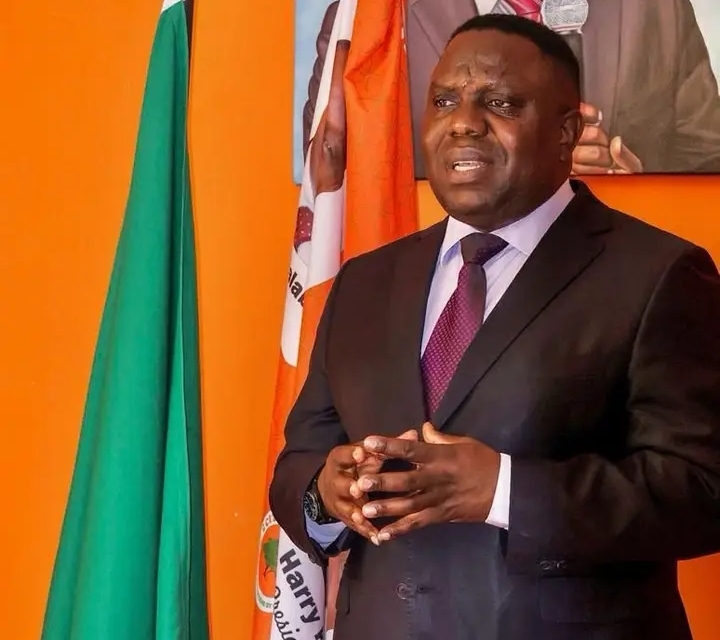
Harry Kalaba writes;
Thank you, Zambia, for your thoughtful engagement with my initial response to President Hichilema’s 25th November 2025 State House briefing. Our nation has reached a moment where we must listen carefully, but also think critically; where we must respect the office of the President, but also examine the substance of presidential speech.
In the coming days, I will unpack the President’s briefing, issue by issue, not to provoke division, but to elevate national understanding, sharpen political clarity, and reclaim the role of citizens as informed participants in our democracy.
Today, I begin with an issue that sits at the intersection of identity, governance and national cohesion: tribalism. Tribalism is not simply a matter of language or lineage; it is a governance question, a justice question and ultimately a leadership question.
How a President speaks about tribe matters, because it can either deepen unity or harden suspicion. The President chose to present tribalism largely as something done to him rather than something that must be dismantled for all of us. That framing moves the conversation away from institution-building and towards a personal narrative of implied inferiority of the President’s tribe.
In a peaceful, multi-ethnic nation like Zambia, what a President says about tribe matters: deeply. It can unite or isolate, heal or reopen old wounds and at its worst, it can incite. In his press briefing, President Hichilema did not speak about tribalism as a national problem to be solved, but as something done to him personally.
Instead of using the platform to lift the country above ethnic suspicion, he unintentionally reinforced a familiar and troubling narrative: that criticism of his leadership style and decisions often hides tribal motive. In the world of politics, this is a veiled instruction to blind loyalists.
When a Head of State treats tribal tension as a personal grievance rather than a structural challenge, it produces two harmful effects. It turns national unity into a matter of sympathy rather than policy, and it risks labelling fair criticism as tribal hostility. In that moment, politics begins to shield itself with the skin of tribe, not from it.

What was missing from the President’s remarks was a vision of how tribal identity can be respected without being weaponised; how regional diversity can be reflected in public institutions without breeding entitlement; and how appointments, public service recruitment and state contracts can be managed transparently so that citizens stop asking where someone comes from and start asking what they can deliver.
When elected, we will not treat tribalism as a speech theme but as a governance challenge. We will disarm it through inclusive action, not targeted condemnation. That begins by replacing rhetoric with institutional fairness, allowing citizens to see inclusion reflected in appointments, public procurement, service delivery and access to opportunity, regardless of name or region. We will nurture a culture where tribe is identity, not currency; where heritage is celebrated but never traded for jobs, scholarships or political favour, and where merit, not language, becomes the common ground of national life.
My administration will refuse to use tribe as a means for political insulation and will never invoke ethnic bias to deflect criticism or shield myself from accountability, knowing that protection should come from integrity, not identity.
I will ensure Zambia grows into a nation where disagreement is no longer interpreted through tribal lines, because tribalism shrinks a country while collective citizenship enlarges it. ok
A President does not unite a nation by reminding people of his tribe. He unites it by making sure no one has to remember it. That is the difference between managing perceptions and building a nation.
You basically have been debating yourself. You promised to listen but have ended up propagating same hurtful sentiments he is talking about. You have not heard people including the ones convicted on the same hatefulness? You choose to ignore that every pastoral issued starts by reminding him that tribal issues have gone worse? You ha e not seen a video, now on social media that it’s better elections are rigged? Did you know that his cabinet is the most balanced since KK and Chiluba? Please, just speak to your constituency not to all of us. You never voted for him so you think at every turn, you must explain yourself to them in order to keep your relevance. Don’t patronise him, he is more sharper than you shall ever give him credit. The 2.8 plus listen to him.
It’s a pity that all politicians from HH himself to opposition leaders have not bothered to reach out to academicians who specialise studying post-colonial states have been doing. What I have found out since I started seeking information on this subject is so enlightening. Harry Kalaba it’s quite clear has never heard about The Journal of Post-Colonial Studies but like everyone else thinks he understands the issue Zambia faces.
When will your government be Sir? But certainly not in 2026.
Your government? Where and when?