
NAPSA Partial Pension Withdrawal- The Benefits
By Martin Mushumba, PhD
The primary purpose of pension contributions is to provide elderly people with social security. It is intended to provide members with a decent means of subsistence while they are unemployed and unable to engage in productive economic activities.
The idea is that people will have less money when they retire, so a pension helps make up for some of that loss. Additionally, in the event of a member’s death, a pension provides protection in the form of lump sums and living support payments to dependents. The family can cushion the loss of their loved one with this security.
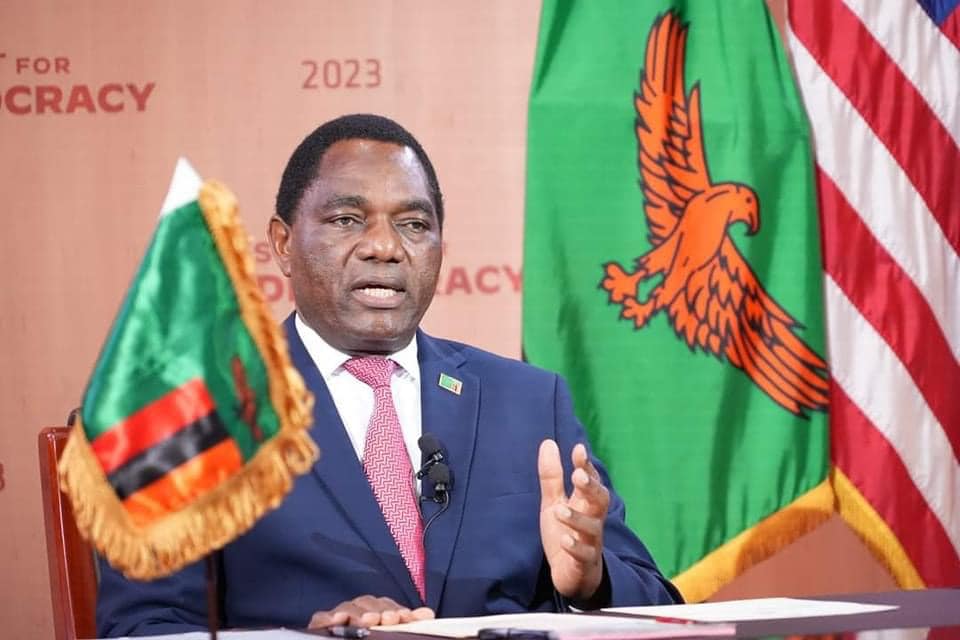
In a move that represents a significant policy change, the signing of the NAPSA Pension Scheme Bill into law by His Excellency President Hakainde Hichilema, allows members who qualify to a once -off access of 20-percent of their contributions before retirement. This is consistent with the manifesto of the United Party for National Development (UPND) that seeks to permit the contributors pre-retirement access to their pension contributions.
The move by President Hichilema and his New Dawn Government is a milestone in the advancement of the worker’s welfare in the country. It is a significant policy declaration about how government plans to empower employees and enhance their social welfare. It is a policy move that both directly and indirectly affects the plight of millions of families because, if put in productive uses, this money could prove to be a significant effort in reducing poverty in the nation.
Allowing the workers access to 20-percent of their contribution is progressively meant to empower them. According to President Hichilema, NAPSA money must help the contributors and their families rather than a few NAPSA management officials and some political elites and their accomplices. This signals a shift in the governance style because previous political administrations looked at NAPSA as a source of “easy money” as they directed contributions to initiatives that allowed them to receive budget cuts.
Similarly, it is open knowledge that NAPSA‘s investment projects were often a subject of abuse by NAPSA management and the political elite. Therefore, by allowing members partial access to their pension contributions, President Hichilema has given a big statement that he wants the owners of the money to equally have a say on what they want to do with their money at any given permissible time.
The development reflects ultimate consideration by the New Dawn Government for the welfare of the majority of contributors, who themselves toil in poverty while waiting for their retirement to have enough money to invest in various businesses and/or build their retirement home. President Hichilema’s altruistic approach timely tends to the anguish of workers. Now that everyone on NAPSA has access to their funds, they can invest some money whilst they are still energetic to engage in productive side businesses.
Consequently, the partial withdrawal gives the workers an opportunity to own family property and run their side businesses whilst they are still working and economically potent. It gives the members access to cheap financing for the much needed capital to invest in businesses of their choice, which otherwise would see them borrow from the banks at high interest rate.
Therefore, the move will have an impact on the cost of borrowing in the country. The dictates of demand and supply will lead to a significant reduction in interest rates from the banks and financial institutions. The signing of this law is indeed a game changer in the financial market too. The law simply creates an avenue for where workers can access money for free, effectively eliminating the cost of borrowing (interest).
The move will stimulate investment as cost of borrowing falls and liquidity is enhanced. With more investment, more jobs would be created in the economy. Clearly, more employment opportunities would translate into reduced poverty and lighten the dependency burden. This will not only be of benefit to the workers contributing to NAPSA but everyone in Zambia.
Clearly, President Hichilema has created a way for alleviating poverty among the workers and their families. It is now up to NAPSA to effectively oversee this process to ensure that it is easy across all divides of member workers in the country.
Therefore, to some individuals, this is President Hichilema fulfilling one of his campaign promises, but to many who can see beyond, this is a move from a visionary President implementing his poverty alleviation strategies for the country.
The author is a Public and Economic Policy Analyst