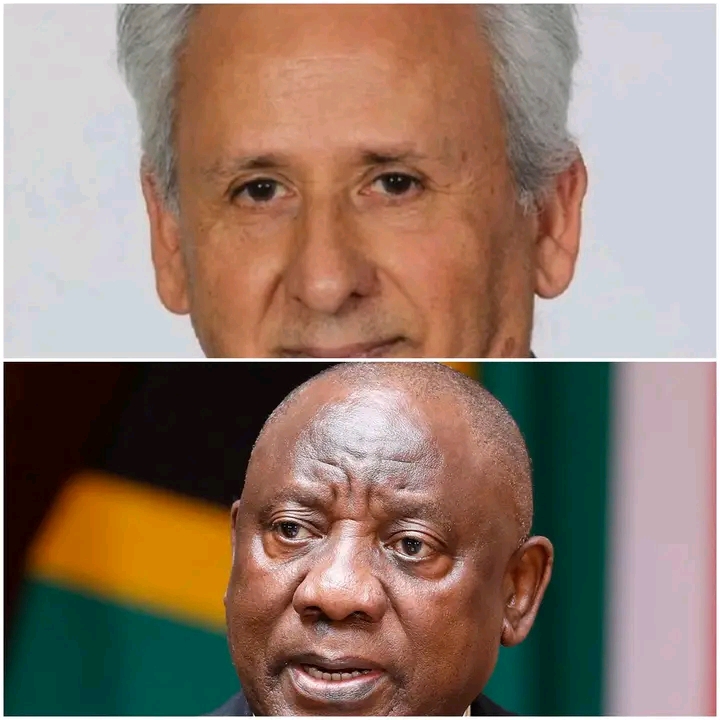

South Africa on Autopilot: Ramaphosa Orders Yet Another Task Team After Madlanga Report Exposes Serious Crimes, While the Country Burns and Accountability Keeps Being Delayed
South Africa is once again being described as a country on autopilot, following President Cyril Ramaphosa’s decision to appoint a task team to investigate serious crimes highlighted in the Madlanga Commission’s interim report — instead of taking direct and decisive action.
The Madlanga Commission, in its interim report dated 17 December 2025, revealed prima facie evidence of serious criminal conduct within the South African Police Service (SAPS). The report points to alleged corruption, fraud, perjury, defeating the ends of justice, and even murder, involving senior police officials who were entrusted with upholding the law.
What the report uncovered
According to the findings:
Five senior SAPS officers are implicated, including KwaZulu-Natal Hawks head Lesetja Senona
Eight officials from Ekurhuleni, among them suspended police chief Julius Mkhwanazi, are also flagged
The alleged crimes are not minor administrative issues, but serious criminal acts that undermine the justice system itself
The commission concluded that there is sufficient evidence to justify immediate criminal investigations, possible prosecutions, and disciplinary action, including suspensions.
Ramaphosa’s response
President Ramaphosa accepted the commission’s recommendations and instructed that:
Law enforcement agencies must investigate the implicated individuals
Criminal prosecutions should follow where evidence supports them
Internal disciplinary processes should be initiated within SAPS
However, instead of announcing decisive action against those named, the response has largely been framed around processes, task teams, and further investigations — a pattern South Africans have grown increasingly frustrated with.
“The system is broken”
Acting Police Minister Firoz Cachalia admitted that SAPS’ disciplinary system is dysfunctional, acknowledging that internal processes are slow, ineffective, and often fail to hold senior officials accountable. This admission has deepened public concern, as it suggests that even clear findings may not translate into consequences.

Public reaction: anger, fatigue, and distrust
Reactions across the country have been sharply divided:
Some have welcomed the move as a necessary legal step to avoid court challenges
Others see it as another delay tactic, arguing that South Africa is trapped in a cycle of commissions, reports, and task teams with no real accountability
Many have questioned why certain political figures, including Police Minister Senzo Mchunu, are not mentioned or held to account, despite the scale of the crisis
For ordinary South Africans, the issue is no longer about one report — it is about trust.
A country on autopilot
With violent crime escalating, corruption cases dragging on for years, and public institutions collapsing, critics argue that South Africa has a President who is unwilling or unable to make hard decisions. Instead of swift action, the country gets:
More inquiries
More interim reports
More promises of accountability “in due course”
Meanwhile, communities live with daily crime, failing policing, and a justice system many believe only acts against the weak.
The bigger question
The Madlanga report has once again exposed how deep the rot runs within SAPS. But for many South Africans, the real scandal is not just what the report revealed — it is how the state responds.
As the country faces economic pressure, social unrest, and a crime crisis, the question being asked louder than ever is simple:
How many more reports and task teams will it take before someone is actually held accountable?
Until that question is answered with action, South Africa will continue drifting — on autopilot.