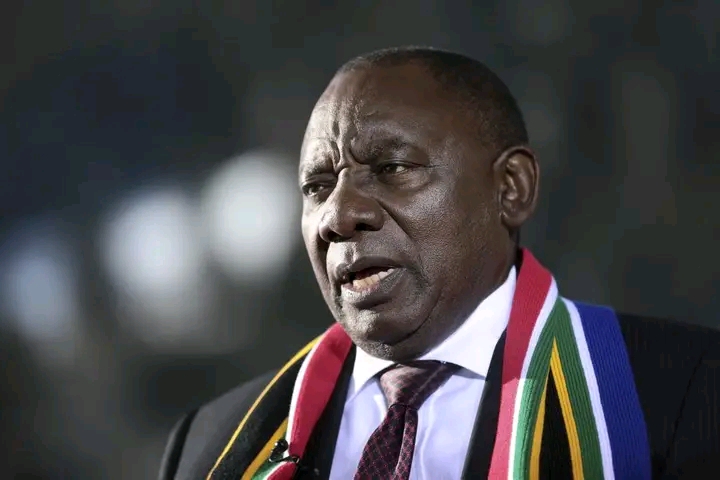

BREAKING: Ramaphosa Warns South Africa Faces Threats from Inside and Abroad — Calls AfriForum & Solidarity a Danger to Democracy
President Cyril Ramaphosa has accused lobby groups AfriForum and Solidarity of actively working to weaken South Africa’s constitutional democracy by taking the country’s internal political matters to foreign governments and institutions.
Speaking at recent ANC events, Ramaphosa said some organisations were “misrepresenting the reality of South Africa” internationally and portraying the country as a place where certain racial groups are under threat. He warned that such actions could encourage outside interference in domestic affairs and damage South Africa’s sovereignty, economy and political stability.
According to the President, when South African groups lobby powerful countries abroad, especially the United States and Europe, and push narratives about land reform, crime, minority rights and governance, they risk influencing foreign policy decisions that could lead to diplomatic pressure, economic punishment, or even attempts to isolate South Africa globally. He described this as a form of “regime change politics” driven from outside but supported from within.

AfriForum and Solidarity, on the other hand, insist they are defending minority and cultural rights, saying they are raising concerns about crime, property rights, and what they see as discrimination. They argue that engaging the international community is their democratic right and that they are not trying to overthrow the government but to protect communities they believe are being neglected.
Why South Africans Are Deeply Divided
1. Race and History
South Africa’s painful past still shapes today’s politics. Many Black South Africans view international lobbying by these groups as a continuation of apartheid-era thinking, where foreign powers were used to protect minority privilege. Others, mainly within minority communities, feel their concerns are ignored locally and believe going international is their only option.
2. Land and Economic Inequality
Land reform and economic transformation remain highly emotional issues. Some see organisations opposing certain policies as trying to block transformation and preserve historical advantages. Others fear that rapid change threatens property rights and economic security.
3. Trust in Government
High unemployment, poverty, corruption and failing services have weakened trust in the state. Some citizens believe the government is using AfriForum and Solidarity as scapegoats to distract from its own failures. Others agree with Ramaphosa that foreign lobbying undermines national unity and democratic institutions.
4. National Image and Sovereignty
Many South Africans are angry that local groups speak negatively about the country abroad, saying this harms tourism, investment and international standing. At the same time, others argue that exposing problems internationally is a way to force accountability.
Ramaphosa has called on South Africans to defend the Constitution, protect the country’s independence, and resolve differences internally without inviting foreign powers to influence local politics. The debate has now become a symbol of a broader struggle: who controls South Africa’s story, whose interests come first, and how democracy should be defended in a deeply unequal and divided society.