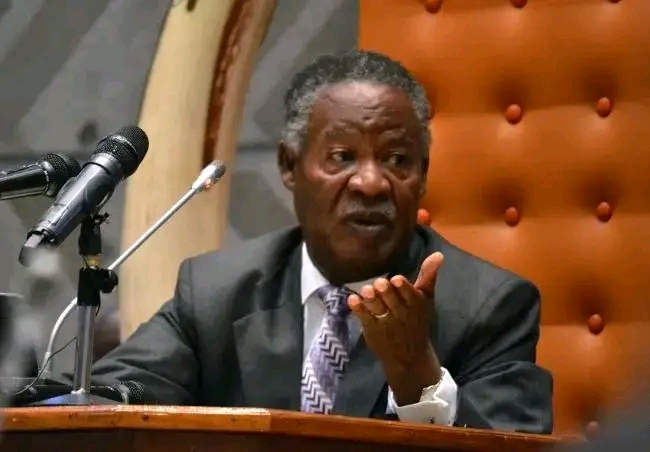

Remembering Michael Sata: The Rise, Rule, & Rupture of PF Project
Eleven years after Michael Chilufya Sata died at King Edward VII Hospital in London on October 28, 2014, Zambia still debates the movement he built, the politics he reshaped, and the unfinished questions his passing left behind. His death did more than trigger a power struggle. It exposed the fault lines in a party that came to power on anger, discipline, and a promise to repair a country tired of complacency.
Sata’s Patriotic Front did not arrive gently. It grew from frustration in compounds, bus stations, markets, and mine townships. It spoke the language of struggle and low patience for elites. PF cast itself as the voice of the ordinary person, fiercely pro-poor and openly hostile to what it viewed as foreign capture and technocratic neglect. The party’s slogan Donchi Kubeba was not comedy. It was a strategic message: take gifts from those buying votes, but vote for your liberation. It worked.
The PF’s rise rested on an urban coalition in Lusaka and the Copperbelt. Shared hardship cut across tribe. That urban base powered a new kind of political mobilisation. Cadres surged through bus stations and compounds, drumming energy into a campaign that felt more like a social revolt than a party exercise. Crowds danced, guitars strummed, and rallies followed what insiders called a church-service script: half music to stir emotion, a quarter promises to spark hope, and a quarter stern talk to demand seriousness.
Sata governed with the same instinctive force. He believed in practical fixes over speeches and theories. He walked into hospitals, shouted at contractors in daylight, and demanded visible delivery. Roads and bridges became the spine of his programme. He framed development not as policy but as dignity. When HIV patients lined up, he cut the delay and ordered test-and-treat. When small farmers were evicted, he instructed their return. It was old-fashioned state activism driven by temperament more than ideology.
Yet the PF story was never simple. Enthusiasm spilled into coercion. Cadres sometimes pushed boundaries where police were slow or weak. The movement that promised discipline also produced trouble at bus stops and markets. And while Sata projected intolerance for low standards, the state often struggled to keep up with his pace and temper. His Presidency ran hot. He preferred confrontation over compromise and inspection over committees.
Guy Scott’s role as Vice President gave PF a cosmopolitan edge. The decision to elevate a white Zambian was tactical and symbolic. It defused tribal accusations and offered an inclusive image at a time when identity politics simmered. It also reflected Sata’s instincts: shock the system, break patterns, prove a point. Scott and Sata shared banter that doubled as policy rehearsal, using humour as a blade and shield in equal measure.

But the party Sata built could not survive his absence intact. When he died, Scott took over as acting president under the Constitution. The rules called for a national conference to choose a successor. Instead, the system inside PF snapped. Edgar Lungu’s faction bypassed the written process. Threats, force, and legal manoeuvres replaced party order. Scott later said PF “strayed very far, very fast.” The movement that began as a rebellion against rigged power dynamics ended up repeating them.
A decade later, the PF legacy sits in contrast. The party put roads on the map, restored state muscle, and gave the urban poor a political home. It also left cracks: cadre power, public debt clouds, and an internal culture that struggled to handle succession without intimidation. Zambia remembers Sata as the street fighter who became Head of State, the man who promised dignity to those ignored by the polished elite, and the leader whose fire lifted a movement but could not guarantee its discipline after him.
History will not treat Sata lightly. He proved that anger can build power and that charisma can rewrite political geography. He also showed that revolutions must institutionalise themselves or risk collapse when the voice at the centre falls silent. A decade on, PF is searching for its next chapter. Zambia is still asking whether populist reform can coexist with institutional order. And Sata remains, in memory, both a force of renewal and a warning about the fragility of movements built on urgency and charisma.
While remembering President Sata this October, the question lingers: did the PF plant enough seeds of structural change, or did the roots never deepen beyond the roar of rallies and the authority of one man? History will continue to answer. The streets where crowds once chanted Donchi Kubeba still remember. The country still debates. The legacy still burns.
© The People’s Brief | Ollus. R. Ndomu