
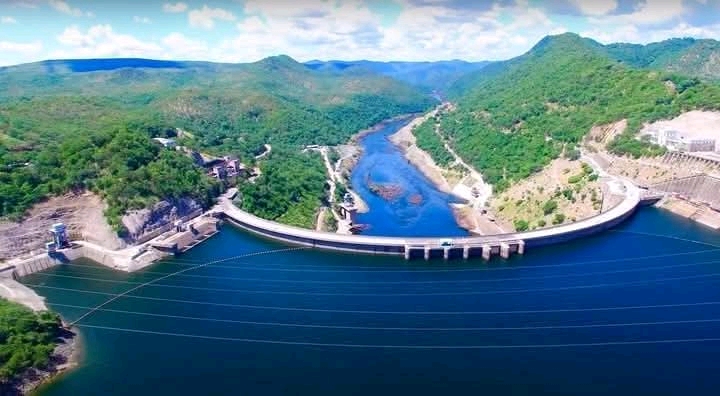
SAME DAM – ZAMBIA DIMS, ZIMBABWE POWERS UP
As Zambia battles deepening power shortages and extended load-shedding hours, neighboring Zimbabwe is moving in the opposite direction promising 21 hours of uninterrupted electricity starting July 1, 2025. The development was confirmed by Mr. Tendai M. Vangoi, Corporate Affairs Officer at the Zimbabwe Electricity Transmission and Distribution Company (ZETDC), who attributed the improvement to rising water levels at the Kariba Dam.
This stark contrast in power supply between the two countries who both rely on the same hydroelectric reservoir has sparked questions about energy governance, resource management, and political accountability. For Zambians experiencing longer blackouts, the announcement from Harare feels both confusing and frustrating.
Kariba Dam is a shared hydroelectric facility managed by the Zambezi River Authority (ZRA), jointly owned by Zambia and Zimbabwe. Each country is allocated a specific amount of water for electricity generation. When water levels drop, both are expected to reduce power production proportionately. But if the water levels have indeed improved, as ZETDC claims, Zambians are asking: why is their power situation worsening while Zimbabwe’s is improving?
Energy experts argue that the divergent outcomes stem from more than just rainfall or water allocation. Zimbabwe has reportedly ramped up its energy diversification strategy over the past year, investing in solar power, importing electricity from Mozambique and South Africa, and ensuring tighter coordination with the ZRA. These measures are now yielding visible results.
Zambia, on the other hand, continues to rely heavily on hydroelectric power, with Kariba being a critical component of its energy grid. Despite public commitments to diversify, progress on solar, wind, and thermal projects has been slow or plagued by bureaucratic delays. The consequences are now being felt across the country, where some communities are experiencing load-shedding of up to 12 hours a day.
The lack of transparency from Zambia’s power utility, ZESCO, and the Ministry of Energy has only compounded public frustration. Citizens are demanding clear explanations: What is Zambia’s current water allocation from Kariba? How many turbines are functional? Are there operational inefficiencies that are not being disclosed to the public?
The silence has given way to speculation, with some observers suggesting political interference, poor planning, and mismanagement as contributing factors. This erosion of public trust is dangerous especially in a country where economic activity, healthcare delivery, and education all depend heavily on stable electricity.
Energy policy analyst Ms. Ruth Nasilele says the comparison with Zimbabwe should be a wake-up call for Zambia. “The difference we are seeing is not in weather patterns. It’s in how each country is managing its energy crisis. Zimbabwe has acted with urgency and strategy. Zambia is reacting with excuses and opacity,” she noted.
While it is true that Kariba Dam’s water levels fluctuate with seasonal rainfall, it is also true that climate change has made such reliance increasingly risky. Energy diversification is not just a policy option it is now a national necessity. Zambia’s overdependence on hydropower leaves it exposed to both natural and human-induced vulnerabilities.
Moreover, the current crisis underlines the importance of regional cooperation and equitable resource management. If both countries draw power from Kariba, there must be mutual transparency in how water allocations are being used, and joint mechanisms to prevent one country’s success from coming at the perceived expense of the other.
Political commentators have also weighed in on the timing of Zimbabwe’s announcement. Some suggest that Harare’s improved energy supply is not only a result of technical strategy but also of deliberate political intent ensuring that citizens enter the next election cycle with fewer power grievances. This raises the question: is Zambia’s worsening situation simply poor planning, or a failure to politically prioritize energy security?

In rural Zambia, the impact of extended load-shedding is devastating. Farmers reliant on irrigation pumps, traders needing cold storage, and health centers using electric equipment are now struggling to operate. Without electricity, entire livelihoods are threatened, and small-scale industries grind to a halt.
Meanwhile, in Zimbabwe, the announcement has been received with relief and cautious optimism. Citizens who have endured years of unpredictable power supply are hopeful that the new schedule will hold. If ZETDC delivers on its promise, Zimbabwe could become a case study in regional energy recovery something that could serve as a model or a mirror, depending on how Zambia responds.
ZESCO and the Ministry of Energy now face growing pressure to respond not only with facts but with a clear plan. The public wants more than statistics. They want urgency, clarity, and accountability. Energy should not be a privilege for the prepared it should be a right for all.
In the end, the story of Kariba is no longer just about water. It is about political will, institutional capacity, and the ability to plan beyond crisis. As Zimbabwe powers up and Zambia dims, the difference lies not in nature, but in how each nation chooses to light its path forward.
June 30, 2025
©️ KUMWESU
Am not surprised about this.
Hakainde’s government is one of Propaganda.
To allow the normal course of events to flow , increased water in Kariba Hydro and the reverting to normal power supply is not the way Hakainde operates.
For him it’s about Political Power . Always about power. Grandstanding at every situation, not even the death of his Predecessor is safe from this.
He will open tuma Solar power plants here and there…His Propaganda Machine will be in over drive on the great Achievements of the great Leader. Then in November, at the beginning of the next Rain Season, he will stand on a Lofty podium proclaiming that he has ended Load shedding…of course with 2026 in sight.
That’s Hakainde.
We are being subjected to load shedding because of the Politics of Hakainde.
Sometimes when you have nothing useful to say, it’s best to keep quiet.
If Zambia has not invested in alternative sources of power, that is currently on the HH government to do more. But it certainly demonstrates a lack of investment from the previous government, who did nothing intelligent because they were too busy stealing public resources. How long do you think it takes to create the infrastructure for solar power etc?
You have spoken well Sarah. One other factor these boring critics can’t see is the difference in the industrial uptake of electricity between these two countries.
You just laugh at your ignorance. You are talking to someone who is in the energy sector. The PF government managed to increase the Energy output from 1,200MW to 3,500 MW.
They brought on board Kafue Hydro 450 MW. They also brought on board Maamba Collieries 300MW.. Improved Kariba Hydro North Bank, and many other energy plants. They also started looking at Nuclear Power
The PF managed to make Zambia self sufficient in Energy needs.
Hakainde does a 100 MW Solar Plant, you start jumping about peeing in your pants. Atase.
Thank you, EMC. It is necessary to call out PF liars like Saint, who is here every day making up stories.
Saint is such a fool. So energy sufficient under PF, my foot. Do you think if the infrastructure was there, it would have disappeared? I don’t care what other lies about your ‘sector experience’. I remember when they tried to force Maamba Colleries into their corrupt shenanigans.
You’re not speaking to children.
Bwafya.