
Teenage Pregnancy Crisis – A Silent Emergency in Africa
Teenage pregnancy has become one of the gravest health and social challenges confronting Africa today. With East and Southern Africa recording some of the highest adolescent birth rates globally, experts are sounding the alarm on the devastating consequences for both young girls and national development.
According to data from the Guttmacher Institute, approximately 21 million girls aged 15–19 in low-income countries became pregnant in 2019, with nearly half of those pregnancies unplanned. What is more troubling is that 55% of these unplanned pregnancies ended in unsafe abortions, posing significant risks to the lives and futures of these young women.
In Zambia, the situation mirrors regional trends. The Zambia Demographic and Health Survey (#ZDHS) reveals that nearly three in ten girls aged 15–19 have already begun childbearing. Factors such as limited access to family planning services, poverty, early marriages, and insufficient sexual education continue to drive these statistics upward.
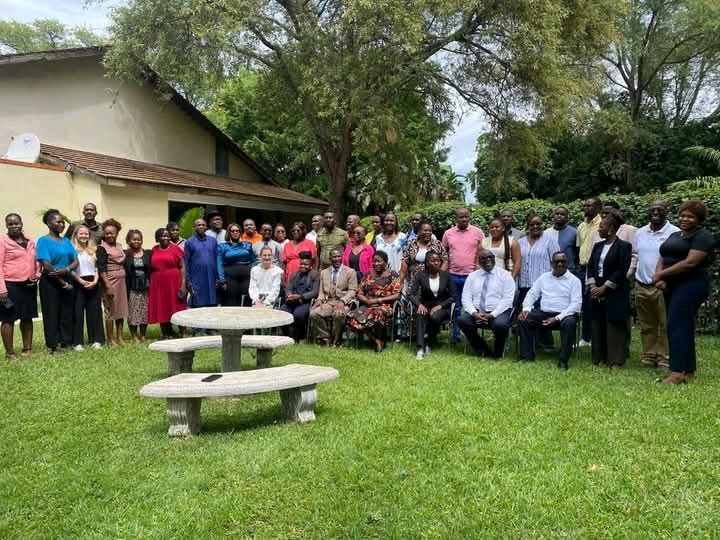
Recently Livingstone became the epicenter of regional efforts to address this crisis as it hosted the Annual #SHARP (Solutions for Supporting Healthy Adolescents and Rights Protection) Retreat, organized by the Medicines Research and Access Platform (Medrap).
The gathering brought together delegates from five countries to reflect on progress and chart the next phase of action.
Speaking at the opening ceremony, Southern Province Minister #Credo Nanjuwa emphasized the urgent need for a multi-sectoral response.
“Teen pregnancy is not just a health issue. It’s a threat to education, equality, and economic stability,” he stated. “We must act decisively to protect the dreams of our girls.”
Mayor Dr. Constance Nalishebo Muleabai Mayor of Livingstone, who officiated at the event, highlighted the importance of youth engagement in SRHR (Sexual and Reproductive Health and Rights). “Young people must be included in every stage of the conversation from policy design to implementation,” she said.
One of the most innovative discussions came from the partnership with the #Faith to Action Network, which is working with religious leaders to promote SRHR education through existing church structures.
Faith leaders from Kazungula and Livingstone expressed willingness to use youth groups, choirs, and Sunday schools as channels for awareness, breaking long-held cultural taboos.
“Faith leaders have the trust of communities,” said Liyoka Liyoka, Executive Director of #MedRAP. “When they speak out on the importance of reproductive health, it opens minds and saves lives. We are not promoting immorality we are protecting futures.”
The retreat also featured adolescent champions who shared their experiences and called for greater access to contraception, confidential counseling, and gender-sensitive health services. Many of them had witnessed first-hand how lack of information and services had led their peers into early motherhood, school dropouts, or worse unsafe abortion complications.
Despite growing awareness, Zambia still lacks adequate youth-friendly health facilities. Many clinics are not equipped or trained to cater to adolescent clients, and social stigma discourages teens from seeking help. Experts argue that the government must increase investments in health infrastructure and education reforms to change this narrative.
The retreat concluded with stakeholders making clear commitments to enhance SRHR programs, build stronger referral systems between schools and clinics, and advocate for policies that protect girls from early marriage and abuse. There was consensus that the battle against teenage pregnancy requires united action from parents, teachers, policymakers, and faith leaders alike.
As Zambia joins hands with the Great Lakes region to tackle this crisis, the message from Livingstone is unmistakable: Investing in adolescent health is not optional it is essential to secure a prosperous future for the continent.
April 18, 2025
By Edwin Daka
KUMWESU