
The Importance of the Zambia Army in Curbing Illegal Mining,
A Constitutional and National Security Imperative
By Tobbius Chilembo Hamunkoyo, LLB
All governance and operational authority in Zambia is firmly anchored in the Constitution of Zambia and Acts of Parliament. National security is no exception. The Zambia Army does not operate outside the law, it exists, functions, and acts strictly within constitutional and statutory authority, particularly under Article 192 of the Constitution and the Defence Act, Chapter 106 of the Laws of Zambia.
It is therefore important that citizens are not misled into believing that lawful security operations are arbitrary or politically motivated. Zambia’s peace and stability, since independence, have been built on strict respect for the rule of law. That principle remains the cornerstone of our democracy and national unity.
Under the Defence Act, Chapter 106, the Zambia Army is legally mandated to defend the Republic and to perform such other duties as may be determined by the President in the public interest. Pursuant to Article 91(1) of the Constitution, the President of the Republic is the Head of State and Government and the Commander-in-Chief of the Defence Force. This constitutional authority extends to responding to serious internal threats that undermine national security, public order, and economic stability.
Illegal mining, by its very nature, threatens all three and therefore justifies the lawful involvement of the Defence Force.
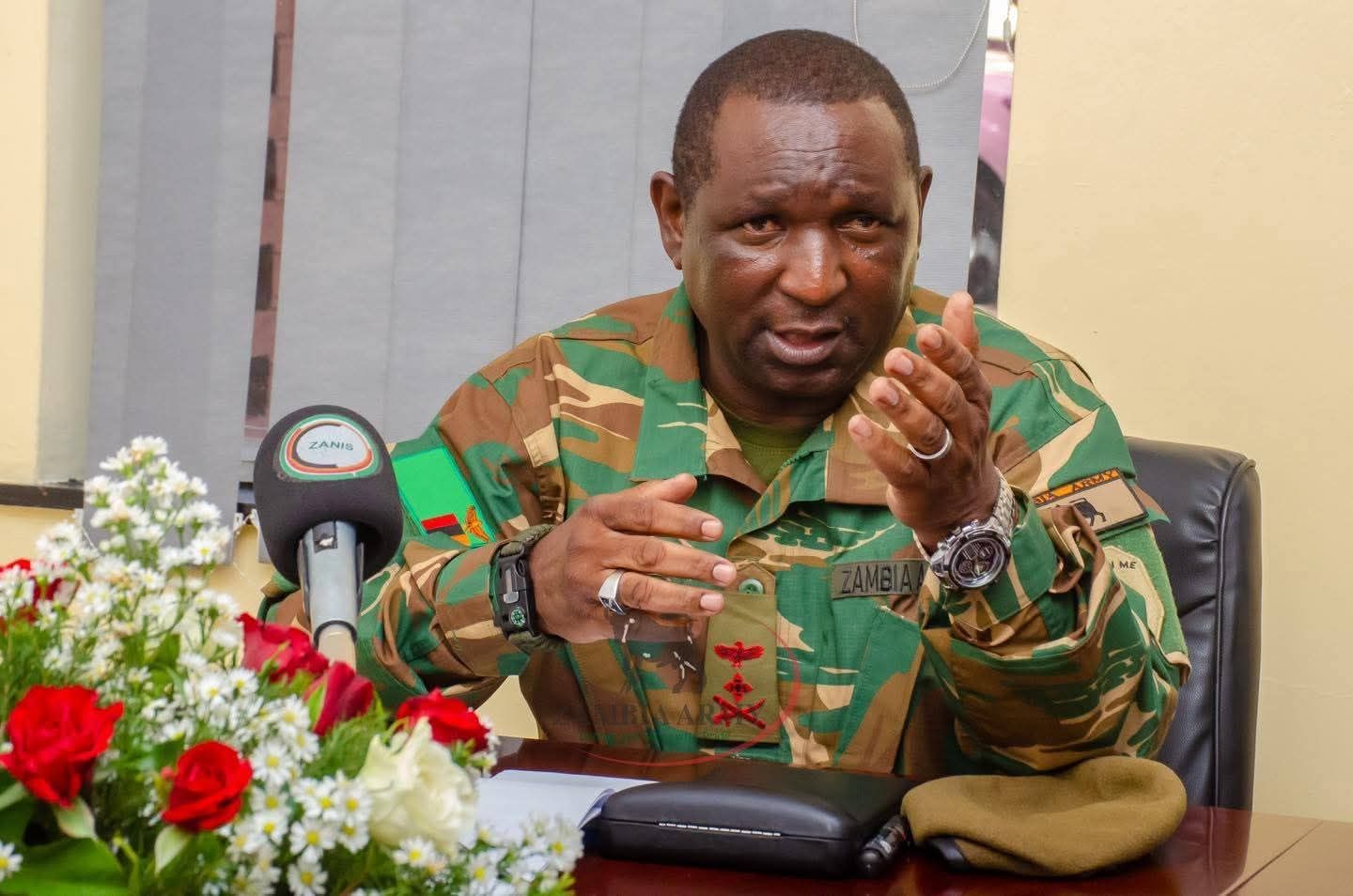
The Zambia Army Commander, Lieutenant General Geoffrey Choongo Zyeele, has correctly identified illegal mining as both an economic and national security threat. His directive to evict illegal miners from sensitive areas such as the Lower Zambezi is a clear demonstration of the Army’s constitutional duty to protect national resources, territorial integrity, and public safety. These actions are lawful, measured, and guided by national interest, not partisan politics.
It must also be stated plainly that illegal mining in Zambia increasingly involves foreign nationals operating outside immigration, mining, and environmental laws. The Department of Immigration has confirmed arrests and removals of foreign nationals found engaging in illegal mining activities. This raises serious concerns relating to national sovereignty, organised crime, and the unregulated exploitation of Zambia’s mineral wealth, making security intervention not only justified but unavoidable.

Global experience offers painful lessons. In the Democratic Republic of Congo, illegal mining financed armed groups and prolonged violent conflict. In Sierra Leone, illicit diamonds fuelled a devastating civil war. In Venezuela, competition over illegal mining zones has led to armed confrontations and loss of state control. These examples clearly demonstrate that failure to decisively address illegal mining can destabilise nations and destroy lives.
In my view as a nation, we must therefore resist the temptation to politicise matters of national security. The actions of the Zambia Army are not partisan; they are constitutional. Peace, security, and sovereignty must always rise above political contestation. When leadership acts to protect national resources and maintain law and order, it deserves national support, not division, suspicion, or misinformation.
Zambia’s peace is hard-earned and must be jealously guarded. Supporting the lawful actions of the Zambia Army in curbing illegal mining is an act of patriotism, not politics. Let us remain united, respect our institutions, appreciate responsible leadership, and ensure that Zambia’s natural wealth benefits all Zambians, today and for generations to come.
I support the army 1000% . There’s a national security risk with those illegal miners