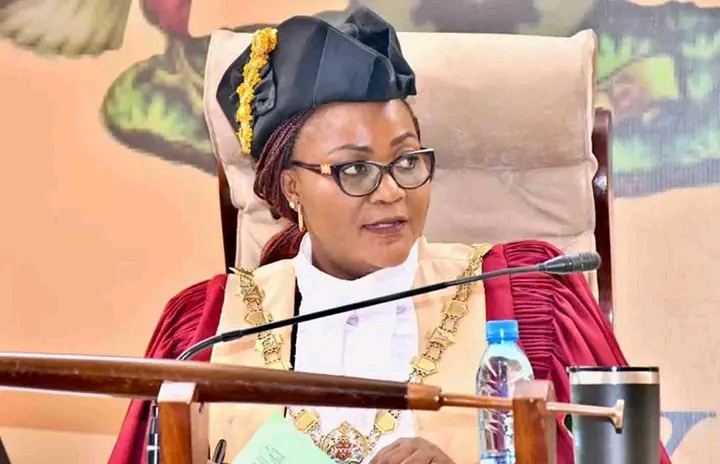

THE LUSAKA MAYOR SEAT IS JUST AN ILLUSION OF POWER
Sakala Bwalo Joshua
I just finished watching Mayor Chilando Chitangala on That ZED Podcast (Ep 204), and honestly, it was a wake up call. We need to talk about why our city looks the way it does.
We go to the polls to vote for a Mayor, but the seat we are voting for is essentially “toothless.”
My Key Takeaways:
• The Mayor is blamed for a dirty city, but she doesn’t have the power to hire or fire the people working under her. The staff are appointed by the Central Government, leading to “carderism” instead of professionalism.
• Even though she was independently elected, she still operates under the Ministry of Local Government. If the Minister says “leave the vendors,” the Mayor’s hands are tied. She even name dropped Hon. Garry Nkombo, mentioning they both got in trouble previously just for trying to do their jobs.

• Despite the politics, she has delivered where it counts, council workers are finally being paid on time, revenue collection is up, and she’s secured $10 Million for city projects ( Not from the Zambian Government)
• It doesn’t matter who we put in that seat Independent, Opposition, or Ruling Party as long as the Mayor is not EXECUTIVE, they will always be a puppet to political interference. Lusaka only gets clean if Plot 1 wants it clean.
but after watching this interview, I’m worried. Will the person I want to vote for be able to move a single vendor if the system stays this way? – I would honestly want to read/hear his Manifesto at this point.
We need an Executive Mayor who can actually run the city without asking for permission from “P1” for every decision.
I equally watched the podcast and, frankly, I came away deeply disappointed. While it is true as she rightly pointed out that the Mayor lacks executive authority to hire and fire, that explanation has become an overused shield for inaction. A Mayor does not need hiring and firing powers to insist on order, discipline, and respect for the city’s bylaws. Enforcement of those bylaws falls squarely under council police, who operate within the Mayor’s jurisdiction. At the very least, that authority should count for something.
What was most troubling was her apparent indifference toward lawlessness. She showed little appetite for enforcing bylaws, and her demeanor did not inspire confidence that she fully appreciates the responsibility of her office. Yes, she has raised funds and that is commendable but in the public eye, the most powerful symbol of mayoral leadership is a clean, orderly, and functional city. On that front, she has clearly fallen short.
She failed to convincingly explain why Lusaka CBD has been allowed to descend into noise pollution from vendor megaphones, or why street vendors are permitted to trade on pedestrian walkways along the Kafue Bridge flyover. Today, the situation has worsened: vendors with heavily loaded wheelbarrows now occupy the bridge itself, leaving barely enough space for vehicles to pass safely. This is not compassion; it is chaos. And chaos benefits no one.
The perception is that the Mayor is more focused on appeasing vendors because that is where she believes the bulk of her political support lies. What she overlooks is that effective governance benefits everyone including the vendors. A city that enforces bylaws, maintains order, and presents itself well attracts visitors, investors, and economic activity. That growth ultimately creates more sustainable opportunities for all residents. A dysfunctional and dirty city, on the other hand, repels investment and condemns the most vulnerable to permanent informality and stagnation in squatter settlements and that is what Lusaka CBD has become with flight of corporate offices to cleaner Eastern suburbs.
Acknowledging the genuine challenges the Mayor faces does not mean excusing poor leadership. Lusaka urgently needs new energy and a renewed sense of purpose at the helm. From what I have seen, Mr. Simone Mwewa appears willing to challenge the status quo. The concern and affection he has shown for the city suggest he may have the resolve to push for change.
Let us be honest with ourselves. Among SADC capitals, Lusaka is widely regarded as the dirtiest city. It simply does not compare favorably to Gaborone, Windhoek, Luanda, or Harare. In its current state, Lusaka feels entirely out of place in the SADC region. West Africa would be appropriate..
If we organize our city, enforce our bylaws, and restore basic order, investment will follow. But that requires leadership that is not comfortable with disorder, excuses, or the normalization of chaos. It is time we got our act together.
But the problem is also with the people, we are the ones who generate the waste which we later blame the Mayor on our dirty Lusaka city. We people, blacks in particular are not responsible enough to keep our environment clean. Sorry to say that and forgive me if I have offended some people. At times, you can even feel like crying when you see how litter is being thrown carelessly. Even when waste bins are provided in public places, people don’t use them. New drainages fill with waste before the first water passes through them, how do we expect our cities to be clean in such situations? We need to change, drainages are for water and not waste.