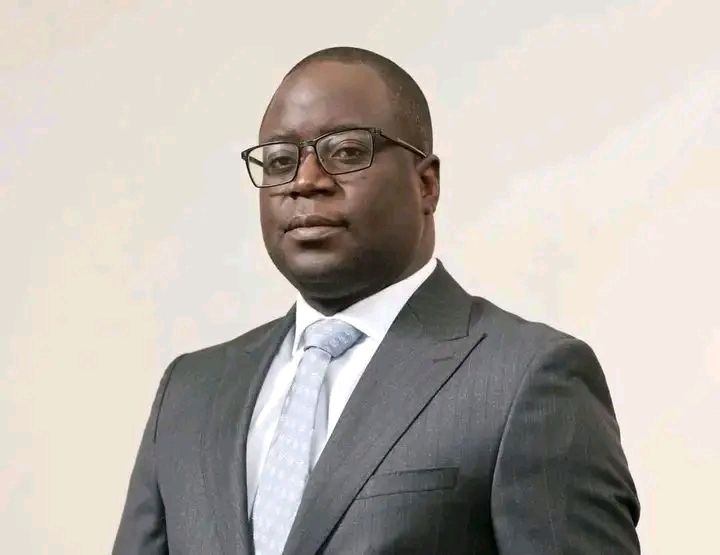

⬆️ EXPLAINER | The Makebi Experiment: Sympathy Politics & Power Calculations
Commerce Minister Chipoka Mulenga’s recent remarks have thrown a sharp beam of light onto the uneasy intersection of grief, ambition and national politics. Appearing on Radio Phoenix, Mulenga argued that Makebi Zulu’s sudden prominence is not born of broad political appeal but of circumstance. “Makebi Zulu thinks he is popular because he has been speaking for the Lungu family,” he said, adding that once the funeral conversation ends, “nobody will hear about him again.” The statement was less an insult than a challenge: prove your constituency beyond tragedy.
Makebi Zulu has positioned himself as a defender of the late Edgar Lungu’s wishes and a guardian of constitutional dignity. It is a posture built around solemn language, legal framing and moral conviction. “Leadership must first heal and then build,” he wrote recently, calling for a return to balance, justice and constitutional discipline. Yet the timing and theatre surrounding his interventions have drawn scrutiny. From public statements demanding access to the former president’s remains to court-side microphones and media calls, his visibility is intertwined with a moment of national grief.
It has fuelled a growing perception that the former Eastern Province minister has tethered his political ascent to a coffin that has travelled farther than many living leaders. In an era where sympathy can move crowds faster than manifestos, commentators have begun to ask whether Makebi’s rise is anchored in empathy or opportunity. He speaks about national healing, yet his most defining political moment rests in a dispute about the dead. Moral duty or calculated symbolism? Zambia’s political watchers remain divided.
This matters because the late president’s body has become both artefact and argument. For some within the Patriotic Front base, the fight over burial is proof that the former head of state is being denied dignity. For critics, the prolonged delay feels tactical. Power circles whisper that the body has become a political hostage, suspended between remembrance and mobilisation, a physical reminder meant to sustain emotion in a race still gathering its candidates. Makebi has acted as chief custodian of this emotional capital. But emotional capital alone does not build viable national coalitions.
Makebi’s posture draws on inherited sympathy rather than earned structure. He speaks with appeal, but does not yet speak from a command centre with district chairs, youth brigades and provincial ground troops. His critics point to this vacuum. Chipoka describes it as the illusion of prominence created by microphones rather than movement. “Popularity should come from hard work and service to the people,” he said, urging Zulu to build rather than perform. The line cut deeply because it struck at an uncomfortable truth: a rising public profile is not the same as a rising political base.

Then there is the question of morality and tone. Makebi’s messages carry scripture, unity, forgiveness and dignity. They are crafted to sound noble, almost priestly. Yet politics in Zambia is not a cathedral; it is a marketplace, a courtroom and sometimes a battlefield. To survive the PF terrain, a candidate must master mobilisation, endure factional heat, and inspire loyalty in corners where sermons hold less weight than strategy. In that regard, what Makebi brings in polished language he lacks in lived political muscle. Former secretaries general measure power not in applause but in province counts. On that ledger, his campaign remains conceptual.
Still, one should not dismiss him. New voices are part of every political season, and some begin exactly this way: a moment, a microphone, a movement that grows by accident then intention. Makebi represents a strain of opposition thought that wants to divorce PF revival from the era of command politics. He frames himself as a sober alternative within a camp often shaped by emotional politics. But ambition needs scaffolding, and scaffolding requires patient assembly. Sympathy opens the door; structure keeps it open.
The question for the PF base is simple yet decisive: is this a man building a future, or a man riding a moment? For now his challenge is clarity. Beyond funerals, beyond constitutional language, beyond righteous tone, what is the project? Who are the allies? Where is the machinery? Until those answers arrive, his presidential path will remain more narrative than network.
Editor’s Note:
The People’s Brief EXPLAINER traces context beyond headlines. It examines actors, motivations and political undercurrents to help readers engage with events through informed understanding rather than surface noise. For anything, write to us on editor.peoplesbrief@gmail.com