
US Senate challenges Rwanda’s $7 million NBA partnership after Formula One and football deals
Two bipartisan US senators have pressed the NBA to reconsider its commercial relationship with Rwanda, warning that the league risks becoming complicit in “sportswashing” amid the country’s alleged role in the conflict in the Democratic Republic of Congo (DRC).
Democratic Senator Jeff Merkley of Oregon and Republican Senator Marsha Blackburn of Tennessee wrote to NBA Commissioner Adam Silver on October 23, 2026, asking the league to respond to six questions by November 2. They cited Rwanda’s alleged support for the M23 rebel group in eastern DRC, reports of up to 18,000 Rwandan troops deployed there, and US sanctions imposed on the Rwandan Defence Force in March 2026. The senators argued the partnership is increasingly difficult to reconcile with shifting US policy and is “contrary to the spirit of American sports.”
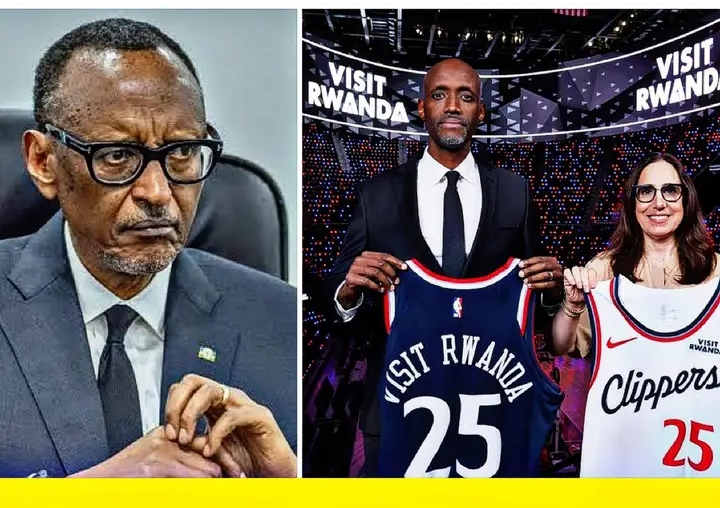
Rwanda pays the NBA roughly $6–7 million annually for a partnership that includes hosting stages of the Basketball Africa League (BAL), “Visit Rwanda” branding, and other marketing rights. The relationship also extends to the Los Angeles Clippers, where Visit Rwanda is the exclusive jersey-patch sponsor under a multiyear deal, with promotion at the team’s Intuit Dome.

The scrutiny comes as Rwanda aggressively expands its global sports profile. On October 13, Formula 1 announced a 10-year agreement to return the series to Africa for the first time since 1993, with Rwanda expected to host its first Grand Prix in the early 2030s on a new purpose-built circuit in Bugesera, near the capital Kigali. Rwanda has also pursued high-profile football sponsorships; Arsenal and Bayern Munich ended their Visit Rwanda deals in 2025 after criticism tied to the DRC conflict, while other partnerships continue.
Rwanda has defended its sports investments as a strategy to promote tourism, attract investment, and raise its international profile. Officials deny supporting M23. The DRC has separately urged the NBA, Formula 1, and European clubs to end Rwanda-linked deals, arguing they undermine credibility on human rights.