
WHEN BIG POWER FORGETS ITS NEIGHBOUR: “South Africa, Lesotho — and the Hypocrisy of Voice”
By Masitise Seleso | Global African Chronicles
23rd November 2025
There is something invigorating about plain talk. In diplomacy, the gloss of good manners can too often mask raw realities. Yet when someone speaks frankly, you know where you stand. That clarity is precisely what is needed in a discussion about South Africa’s relationship with Lesotho — and the deeper irony now emerging as President Cyril Ramaphosa rails against global bullying.
For years, Lesotho has lived in the long, imposing shadow of Pretoria. Encircled entirely by South Africa, the Basotho nation is geographical theatre for power dynamics played out in economic leverage, border control, and political influence. It is not naïve to call this what it sometimes feels like: bullying.
South Africa may argue it is a benevolent neighbour — a generous elder brother facilitating cross-border trade, labour migration, and regional cooperation.
But generosity loses all virtue when it comes with strings attached, when respect is filtered through dominance, or when the voice of the smaller state is muted. Lesotho is no vassal, and it should not be treated as one.
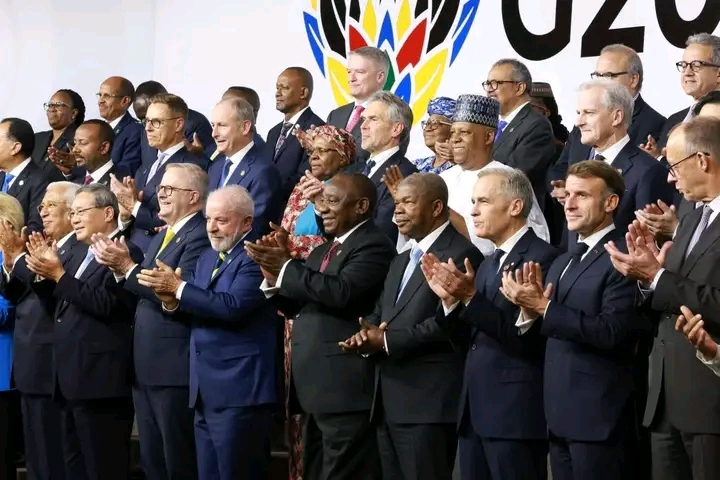
This week’s geopolitical moment should resonate deeply with Basotho ears. At the G20 Social Summit hosted in Johannesburg, Ramaphosa delivered a defiant message: South Africa “will not be bullied” (Africanews). In a sharp jab at the United States, he declared that “it cannot be that a country’s geographical location or income or army determines who has a voice and who is spoken down to” (eNCA).
Let that sink in: a president of the region’s powerhouse arguing that power must not determine dignity, that size must not silence sovereignty. “There should be no bullying of one nation by another,” he said (TRT Afrika). Ramaphosa went further, insisting that all nations are “equally important to the global agenda” (IOL).
The force of his words is undeniable. When a country speaks up for itself on the global stage, it sends a message — not only to external powers but also to its neighbours. And for Lesotho, that message should prompt urgent self-reflection: if South Africa refuses to be bullied by the United States, shouldn’t it also examine how it treats its immediate neighbour?
The painful contradiction is this: South Africa champions equality abroad but often isolates Lesotho at home. If Ramaphosa genuinely believes that geography shouldn’t silence a nation, then why, in regional practice, does Lesotho sometimes feel excluded?

In instances of major summitry or regional engagement, South Africa is quick to invite countries with which it shares little more than diplomatic niceties — yet its closest neighbour is often overlooked. To be bypassed by your neighbour when they extend a global platform is not just diplomatic oversight; it feels like a deliberate snub.
This is not hypothetical. The regional imbalance in influence is real. Lesotho’s strategic value — politically, culturally, geographically — often receives short shrift. Rather than being a full partner in discussions about regional development or continental cooperation, Lesotho is too often treated as an afterthought, while more distant states secure prime invitations.
The outcome is deeply unfair. By failing to extend the courtesy of genuine partnership to Lesotho, South Africa undermines its own moral posture. How can it bellow against bullying on the world stage while potentially perpetrating it at home? For the Basotho, the consequences are more than symbolic. When big summits unfold without a meaningful seat for Lesotho, Basotho eyes are rightly narrowed.
Is this oversight, or a subtle reminder: proximity does not guarantee prominence. Sovereignty is not just about borders — it is about voice, agency, and respect.
Ramaphosa’s rallying cry against bullying should not be a one-way street. It must reverberate across his own region. If he proclaims that no country should be spoken down to, then he — and South Africa — must apply that principle in practice, not just in rhetoric. Lesotho should not be reduced to an appended neighbour but treated as a sovereign state with equal dignity.
Refusing to include Lesotho in critical forums or summits weakens regional solidarity. It undermines trust. It signals that South Africa is comfortable projecting power — unless that power challenges its own sense of hierarchy. For smaller states like Lesotho, this model is deeply troubling.
A better model would prioritise inclusivity. When South Africa hosts international forums, it should regard Lesotho not as a fringe actor but as a vital regional stakeholder. Invitations and platforms must reflect geography, history, and mutual interest, not just political convenience.
Accountability is also key. If South Africa truly rejects coercion on the global stage, it must scrutinise its internal dynamics. If dominance is exercised in its backyard, can it honestly claim to stand for equality? Moral consistency demands more than grand speeches — it demands structural change.
Finally, solidarity must extend to neighbours, not only to equals on the world stage. Ramaphosa’s defiance in the face of external pressure is commendable, but regional solidarity requires humility, listening, and respect. Lesotho deserves no less.
The US’s treatment of South Africa mirrors, in a sense, how South Africa treats — or bullies — Lesotho, much as Israel does with Palestine.
The lesson is clear: fairness and frankness are qualities worth valuing, even in tricky situations. If Ramaphosa will not be bullied by the United States because of geography or income, then he must not allow geography to silence Lesotho either. Sovereignty is something defended internationally and upheld at home.
The Basotho have earned their voice; it is time Pretoria recognises that — not out of charity, but out of principle.
When the big brother speaks of resisting coercion, he must also examine how he wields power next door. True leadership lies in treating all nations — close or far — with equal respect. That is not just diplomacy. It is justice!
#SouthAfrica