
ZAMBIA CLOSES 2025 WITH K22.1 BILLION IN DECEMBER TREASURY RELEASES—SUSTAINING SERVICES, STRENGTHENING CREDIBILITY, AND CATALYSING JOBS AND INVESTMENT
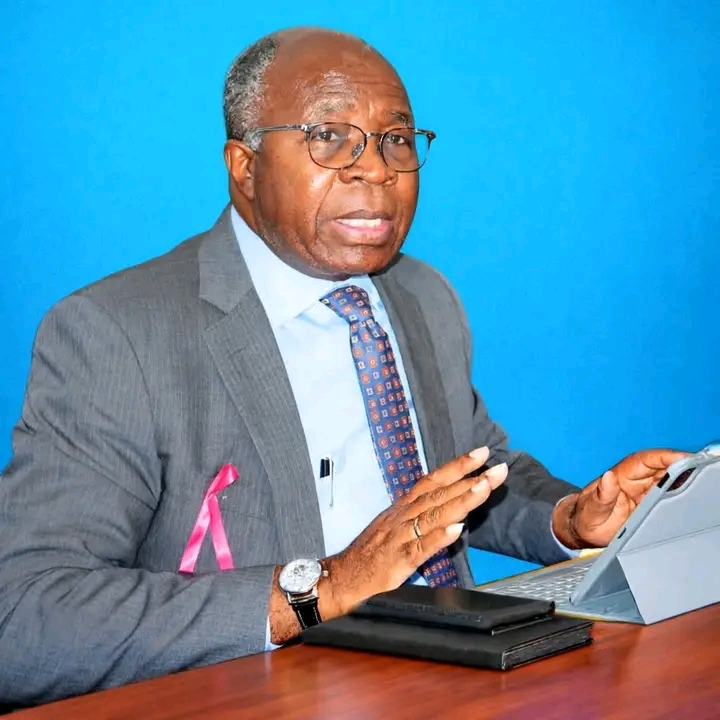
By Dr Situmbeko Musokotwane, MP, Minister—Ministry of Finance and National Planning, #mofnp, Lusaka-Zambia
Even as global economic prospects remain turbulent, Zambia continues to offer reason for hope: our country is steadily transforming through better economic management, stronger fiscal discipline, and a clear focus on stability, debt sustainability, and growth.
Against this backdrop, the Government of the Republic of Zambia, through the Ministry of Finance and National Planning, released K22.1 billion in December 2025 to finance public service delivery across the country. This reflected continued commitment to prudent debt management and the protection of priority social and economic programmes. It also marked the final disbursement, concluding the 2025 Budget implementation cycle.
Let’s put it simply: these December releases were about keeping the country running, paying what must be paid, clearing what must be cleared, and investing where growth and jobs can follow. They were structured to sustain essential service delivery, honour debt obligations, dismantle domestic arrears, protect vulnerable households, and support productive capital investment in line with national development priorities.
In doing so, they reinforced Government’s determination to consolidate stability and translate it into tangible economic expansion as Zambia advances beyond the IMF-supported Extended Credit Facility (ECF) Programme into a more growth-focused framework anchored on sound economic governance, investment, productivity, and job creation.
From the total K22.1 billion released in December, 2025:
1) K4.6 billion was allocated to the Public Service Wage Bill;
2) K10.9 billion was directed towards debt service (domestic and external) and the dismantling of domestic arrears;
3) K2.5 billion was released for transfers, subsidies and social benefits; and,
4) K1.9 billion supported the implementation of Government programmes and general operations.
5) K2.2 billion was invested in capital expenditure
A key investor and citizen question is always: are we keeping faith with our obligations, and are we preventing the build-up of unpaid bills that later destabilise the economy?
That is exactly why K10.9 billion was released under the Debt and Other Liabilities category. Of this amount, K5.9 billion went towards domestic debt service, K1.5 billion was used to meet external debt obligations, while K3.5 billion was applied to the dismantling of domestic arrears. These actions remain central to sustaining fiscal credibility, preserving the gains from debt restructuring, and preventing the accumulation of new arrears—because stability is not a slogan; it is something you protect through disciplined, consistent actions.
At the same time, budget discipline must still feel real in people’s lives. Under the Transfers and Subsidies category, a total of K2.5 billion was released to support critical institutions and protect vulnerable households.
This included K1.3 billion to Grant-Aided Institutions, including hospitals and universities, to sustain service delivery and operations; K958.4 million for the Social Cash Transfer programme to protect vulnerable households; and K240.7 million to the Local Government Equalisation Fund to strengthen service provision in local authorities.
To ensure public institutions continued to function without disruption—and that programmes did not stall—an additional K1.9 billion was released for the implementation of Government programmes and general operations across public institutions, supporting smooth administration and uninterrupted service delivery.

And because stability must ultimately produce growth, jobs, and opportunity, capital spending remained part of the picture, the Ministry of Finance and National Planning released K2.2 billion to finance ongoing infrastructure development as part of the broader effort to translate macroeconomic stability into productivity and growth. Of this amount, K1.3 billion was allocated to road infrastructure; K460 million supported projects under the Rural Electrification Authority; and K397 million financed infrastructure projects implemented by various ministries. These investments reflect Zambia’s deliberate transition towards a growth-focused framework—one that prioritises productive capital, crowds in private investment, expands opportunity, and supports job creation.
On the Public Service Wage Bill, K4.6 billion went to Personal Emoluments for public service workers across key sectors, including health, education, security services, and overseas allowances for diplomats serving in missions abroad. This ensured continuity of essential public services and the steady functioning of frontline institutions that citizens rely on every day.
My concluding remarks are that:
“While global economic prospects remain turbulent, Zambia offers reason for hope that we are a nation being transformed through better economic management and a steadfast focus on stability, debt sustainability and growth.
“Consistency and predictability of Treasury releases practiced in 2025 are a clear expression of the New Dawn Administration’s commitment to budget discipline, credible reform, and responsible economic management. The steady flow of resources to priority areas demonstrates Government’s resolve to protect fiscal stability while deliberately transitioning the economy toward sustained growth, investment, and job creation.
“Economic reform succeeds when it is understood, when it is owned, and when it is seen to be fair. Transparency in budget execution and clarity in communication will therefore remain critical components of Zambia’s reform journey from stability to sustained growth.
“The December budget releases closed the year with a firm signal of continuity—confirming that stability is being preserved while the foundations for growth are being actively laid. As the country progresses with the 2026 Budget season, and as Zambia advances beyond the IMF-supported Extended Credit Facility (ECF) Programme into a more growth-focused framework, the focus is shifting from consolidation and recovery, to expansion and elevated productivity, and from short-term correction, to medium-term opportunity and long-term growth.
“After next week, a comprehensive performance review of budget execution and reform progress for 2021 to 2025 will be presented during the Townhall Meeting scheduled for 29 January 2026. The event will provide citizens and stakeholders with a clear account of outcomes achieved, challenges encountered, and priorities ahead.
“And with continued commitment to budget integrity and shared responsibility—working together with citizens, the private sector, and cooperating partners—the gains of reform will endure, and the promise of inclusive, resilient and equitable development will increasingly translate into tangible improvements in the lives of present and future generations, in line with our growth-focused agenda.”
This is the heart of the message: Zambia is not trying to impress anyone with words; we are building confidence through predictable execution. When wages are paid on time, when hospitals and universities keep operating, when the Social Cash Transfer reaches the most vulnerable, when arrears are dismantled instead of quietly growing, and when debt obligations are met responsibly—markets take notice, investors take notice, and citizens feel the difference in service delivery and economic direction.
As we move through the 2026 Budget season, we do so with conviction that sound economic governance, disciplined implementation, and open engagement are the surest path to investment, higher productivity, and job creation. Citizens, businesses, civil society and cooperating partners deserve to understand not only what decisions are being taken, but why they are being taken, how they connect to national objectives and what they mean in practical terms for households, communities and enterprises.
The Government, therefore, invites all stakeholders to participate constructively in the 2026 Budget implementation process so that priorities are sharpened, resources directed to the highest-impact programmes, and delivery is strengthened at every level.
Together, with shared responsibility and clear purpose, we will convert stability into lasting opportunity—expanding enterprise, creating jobs, and improving lives in every part of Zambia.
Dr. Situmbeko Musokotwane, MP, Minister of Finance and National Planning.
How much debt, Sir?