Zimbabwe Turns Down US$350 Million Health Funding Deal Over Sovereignty Concerns — What This Decision Means for Zimbabwe’s Healthcare System and the Lessons South Africa Can Draw About Aid, Independence and National Interests
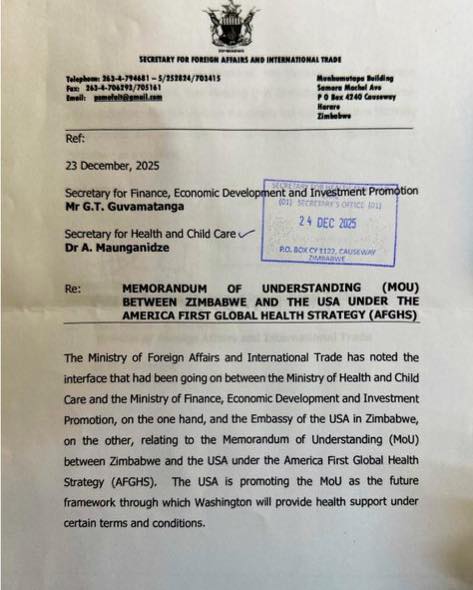
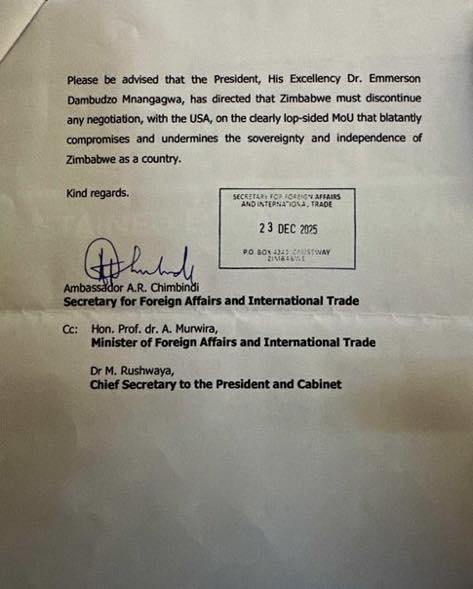
Zimbabwe has reportedly stepped away from negotiations for a proposed US$350 million health funding agreement with the United States after raising concerns about conditions attached to the deal.
According to government officials, authorities felt some of the requirements — including extended access to sensitive health data and broader oversight elements — could compromise national sovereignty. As a result, leadership chose to halt talks, prioritising control over national systems despite the potential financial benefits.
What this means for Zimbabwe
The decision could have mixed consequences:
• Zimbabwe may face short-term pressure on health programmes that rely on external funding, particularly HIV and public health services.
• However, the move signals a strong stance on protecting national data, policy independence and strategic resources.
• It may push the country to explore alternative funding partners, strengthen domestic financing, and accelerate health system self-reliance.

What South Africa and other African countries can learn
This development highlights important regional lessons:
• Foreign aid often comes with conditions that governments must carefully assess.
• Balancing financial support with sovereignty and data protection is becoming a major issue globally.
• Investing in local healthcare funding and infrastructure reduces vulnerability to external policy shifts.
• Transparent negotiations and public communication are essential when dealing with international partnerships.
Ultimately, Zimbabwe’s decision reflects a broader debate across Africa: how to secure vital development funding while maintaining policy control and protecting national interests.
What are your thoughts — should countries prioritise funding opportunities or sovereignty when the two appear to clash?