
GUEST ARTICLE: 2026 Presidential Elections: Analyzing the Situation.
By Michael Mulusa
As we approach the 2026 presidential elections in Zambia, it’s clear that voters are more aware and cautious than ever. Many citizens understand the importance of making informed choices, and the phrase “vote wisely” will be applied this time more than ever even for MPs and Counsilors.
My Observation:
1. The Opposition : The performance and choices made by the opposition will greatly influence voter decisions, especially among urban voters who have better access to information. The ruling party’s chances of survival depend on the opposition’s mistakes and not they performance.
2. Rural Votes: While the ruling party’s initiatives like the Community Development Fund (CDF) and free education and other social services may attract some support in rural areas, it’s a misconception that rural voters are unaware of national issues. In fact, certain communities may favor the opposition, particularly in tribal areas.
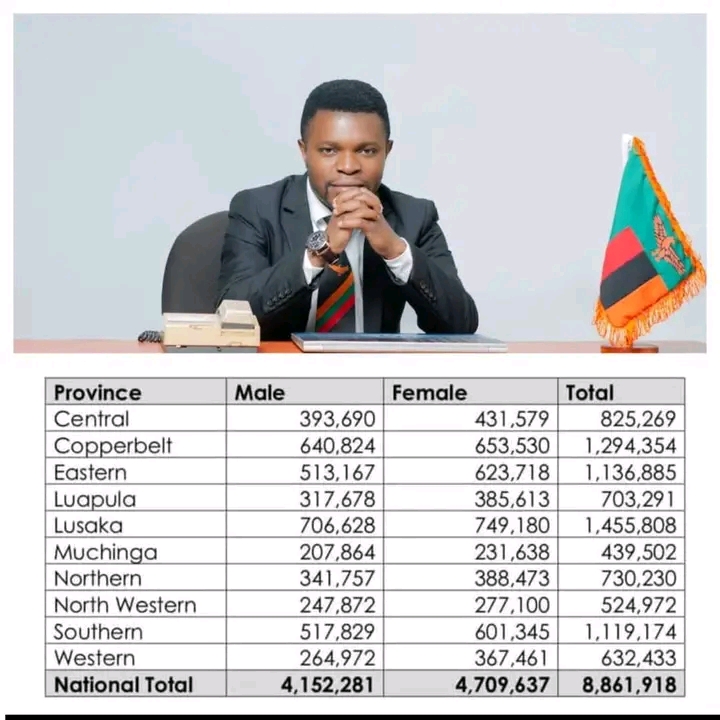
3. Registered Voters: Zambia has about 8.8 million registered voters, with key regions being:
– Lusaka: 1.4 million
– Copperbelt: 1.2 million
– Eastern: 1.1 million
– Southern: 1.1 million
– Central: 825,000
These provinces will likely be the deciding factors in the election. The rulling party out of these only have Southern Province and will split with central leaving the other 3 to opposition.
4. Ruling Party Challenges: Internal divisions may arise within the ruling party as nominations take place. The rulling partys lack of conflict resolution experience might mean simmering tensions could play out during the elections. It is important for any organization to fight and resolve so out of fear no infights really occured in the rulling party cuasing the real wrangles to occur at the last minute.
5. Voter Turnout: In urban areas like Lusaka and Copperbelt is expected to be average and dependant again on opposition. Many urban votes are predicted to go to the opposition.
6. Regional Dynamics:
– In Southern Province, the ruling party will have solid support no doubt about that, but urban voters may still swing towards the opposition out numbering Southern Province.

– Eastern, Luapula, Muchinga, and Northern provinces are likely to lean towards the opposition, with tribal affiliations influencing votes. The support the rulling received in 2021 will not be regiven. Taking the rulling back to the usual votes they would get in previous elections.
– Western and North Western provinces might see a mixed bag of votes due to discontent with the ruling party and the rise of independent candidates. This will be the blow to the rulling party.
7. Civil Servant Vote: this is a very important vote and many civil servants may cast protest votes due to various pressures, while some newer recruits might still support the opposition leaving the majority of the newly recruited showing solidarity to the rulling.
8. New Voters: Among newly registered voters, it’s common for them to lean towards the opposition. That pattern will still apply.
9. Independents MPs and Counsilors: The increase in independent candidates may divert traditional party votes, potentially leading to a shift in support towards a new presidential candidate.
In conclusion, while multiple candidates may run, one opposition figure is likely to emerge as the primary contender against the ruling party, making it a two-horse race like the usual.
Zambia’s political history shows a tendency toward shorter ruling periods, UNIP 27, MMD 20, PF 10 and UPND is likely to serve 5 years indicating a shift where citizens are increasingly driving change. As a new generation of voters rises, they may favor new political leaders and ideas. I see this as the last election where tribe will affect voter pattern but this is the last election in Zambia with Tribe actually mattering.
The political environment in Zambia has officially changed and only those who will adapt will survive.
Michael M. Mulusa
The Voice