

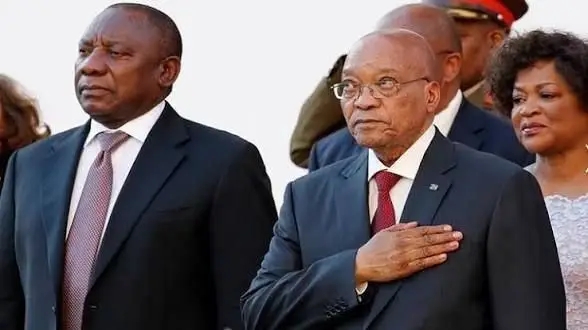
WHO IS RESPONSIBLE FOR SOUTH AFRICA’S CRISIS? Analysts Say Many of the Country’s Deepest Problems Began Long Before Ramaphosa Took Office, Pointing to the Lasting Impact of the Zuma Era and Years of State Capture
South Africa continues to grapple with some of the highest unemployment rates in the world, persistent electricity shortages, slow economic growth, rising debt, crime, and declining public services. But when it comes to assigning blame for these challenges, many analysts argue that the roots of the crisis stretch back years before President Cyril Ramaphosa entered office.
Political commentators and economists have frequently pointed to the administration of former President Jacob Zuma, who led the country from 2009 to 2018, as a turning point in South Africa’s modern history. During this period, allegations of state capture and corruption dominated public discourse, raising concerns about the weakening of key state institutions.
The Judicial Commission of Inquiry into State Capture, commonly known as the Zondo Commission, later detailed extensive evidence of how state-owned enterprises and public institutions were allegedly affected by corruption and mismanagement during that era.
Analysts argue that institutions such as Eskom, Transnet, and other state entities suffered severe setbacks that continue to affect the economy today. The consequences, they say, include unreliable electricity supply, declining investor confidence, and slower economic growth.
Supporters of President Ramaphosa maintain that he inherited an economy already under strain and institutions that had been weakened over many years. They argue that rebuilding state capacity and restoring confidence is a long-term process that cannot be completed overnight.
Critics of the current administration, however, contend that while many problems originated before 2018, the government must still be judged on its ability to implement reforms, accelerate economic growth, reduce unemployment, and improve service delivery.
The debate remains one of the most important questions facing South Africa today: Are the country’s current challenges primarily the legacy of past administrations, or does responsibility also lie with present leadership?
As South Africa charts its future, one thing is clear: solving the nation’s problems will require accountability, reform, and leadership that puts the interests of all South Africans first.