

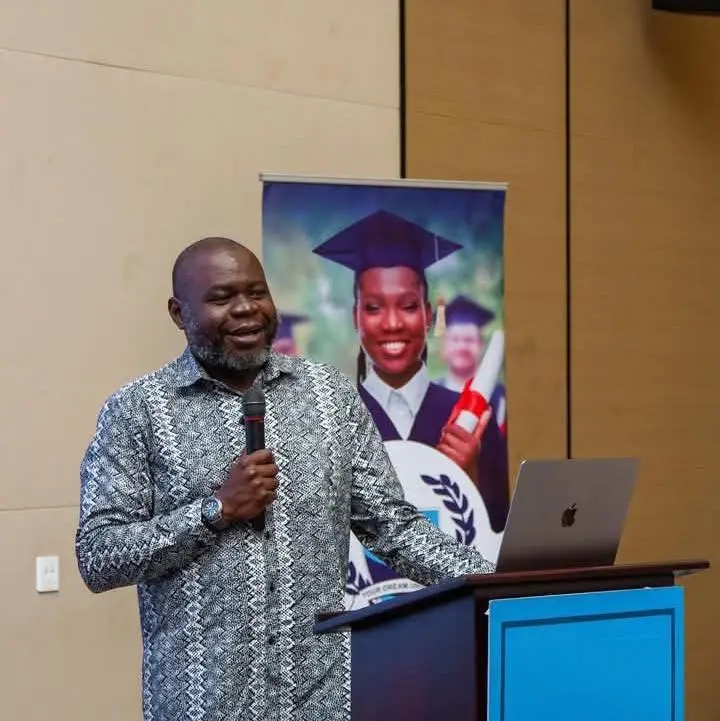
HAABAZOKA URGES VOTERS TO SCRUTINISE ECONOMIC PROMISES AHEAD OF POLLS
Economist Prof. Lubinda Haabazoka has urged Zambians to develop a basic understanding of government revenue and public expenditure to enable them to critically assess the economic promises being made by political parties ahead of the general election.
In a public statement, Prof. Haabazoka said he had prepared a simplified guide on public finance to help reduce information asymmetry and allow citizens to make informed decisions during the election period.
He said government revenue was the money collected to finance public services and national development, warning that without adequate revenue, government would be unable to provide essential services.
Prof. Haabazoka explained that government income was derived from tax revenue, non-tax revenue and borrowing, noting that taxes remained the country’s largest and most reliable source of income.
He further cautioned against viewing borrowing as ordinary income..
“Borrowing is not revenue in the traditional sense because it must eventually be repaid with interest,” he said.
The economist said public expenditure consisted of recurrent spending on day-to-day government operations and capital expenditure on infrastructure projects that create long-term public assets.
“Public expenditure refers to all the money government spends to deliver services and promote economic development,” he said.
Prof. Haabazoka advised voters to question how political parties intended to finance their campaign promises, especially those involving increased expenditure or tax reductions.
“Where will the money come from?” he asked.
He warned that if government revenue did not increase, additional spending could result in increased borrowing, wider budget deficits or higher taxes in future.
“If revenue does not increase, additional spending often means higher borrowing, larger budget deficits or higher taxes in the future,” he said.
Prof. Haabazoka also said proposals to reduce taxes should clearly indicate how government would replace the lost revenue needed to finance essential public services
He stressed that sustainable public finance required balancing government revenue with expenditure while ensuring borrowed funds were invested prudently.
“Good public finance is about balancing government revenue with public expenditure while ensuring borrowed funds are used wisely,” he said.
He encouraged citizens to participate actively in national economic debates, saying informed voters were better placed to judge competing policy proposals.
“Citizens who understand these two questions are better equipped to participate meaningfully in national economic debates,” he said.