By Deeleslie Mondoka
DOES HAKAINDE HICHILEMA QUALIFY TO RUN FOR PRESIDENT IN AUGUST, 2026?
Picture this:
You apply for a job. You have the qualifications, the experience, and the required documents.
Another applicant objects:
“Don’t hire him! The company hasn’t held board elections in years!”
The interviewer pauses.
“Perhaps. But I’m hiring an employee, not electing the board.”
It’s like refusing to let a pilot fly because the airport needs repainting. The complaint may be valid; it is just entirely beside the point.
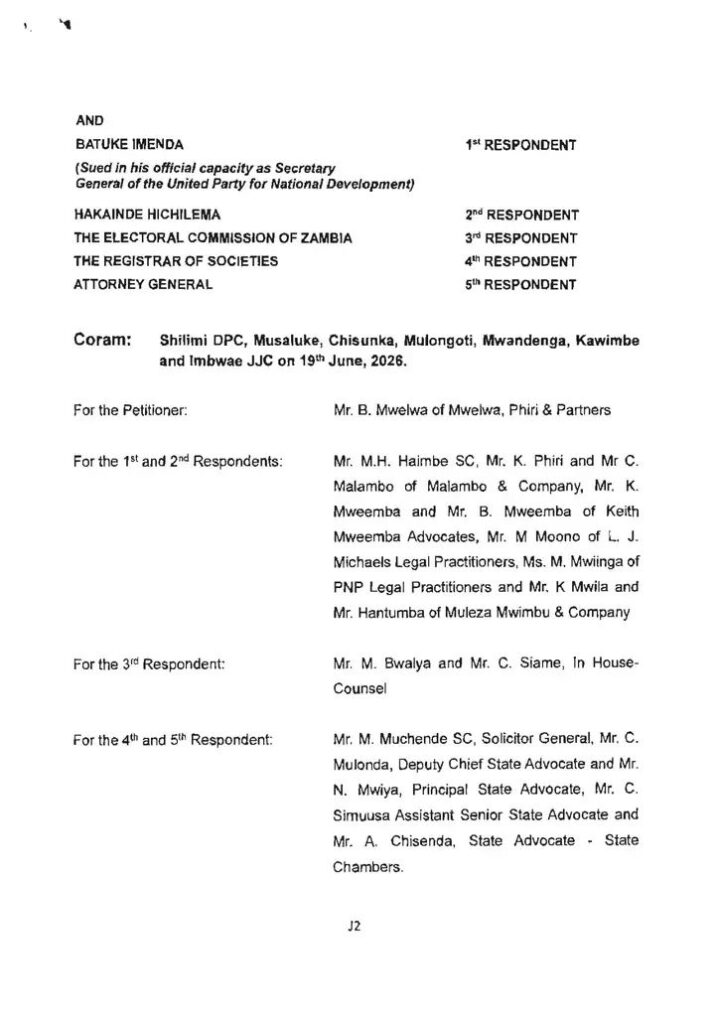
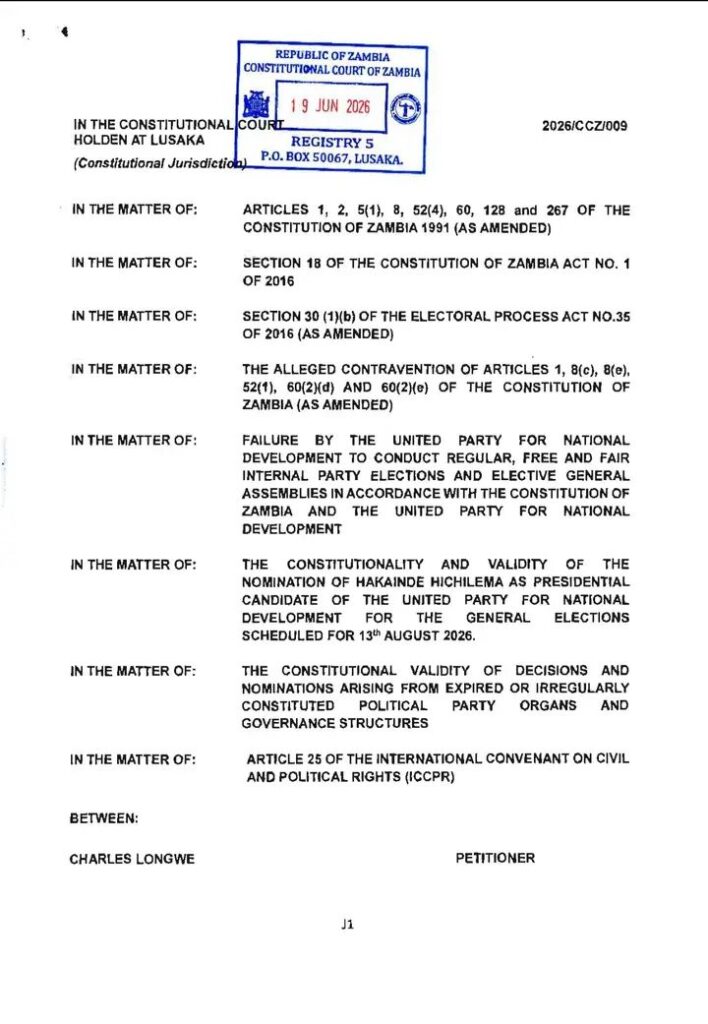
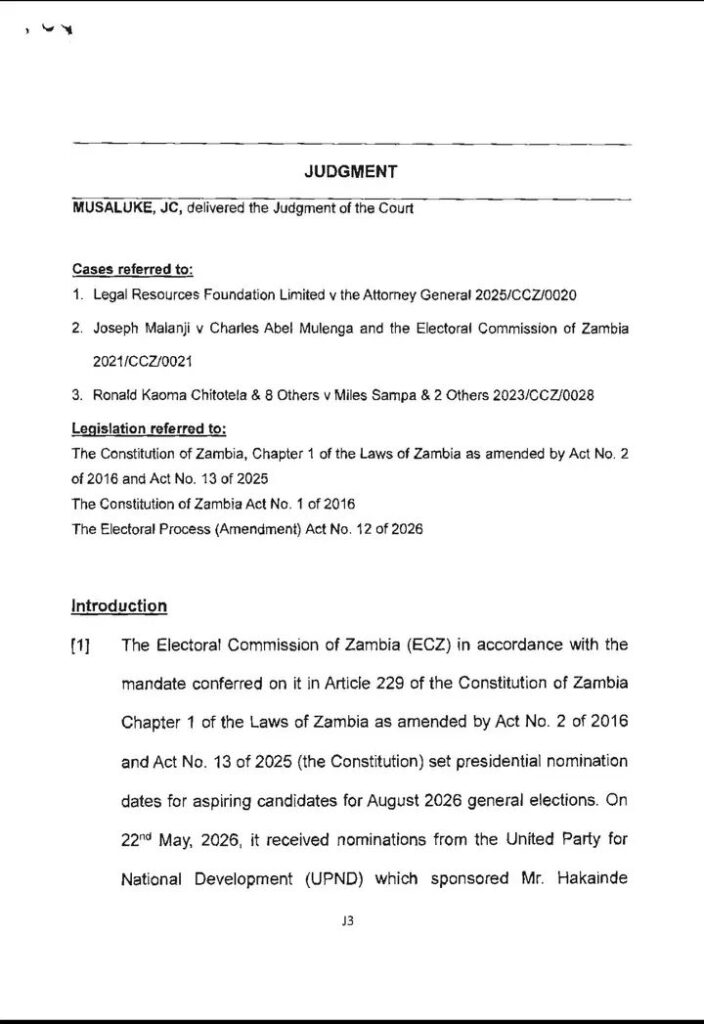
And that is exactly what happened in the Constitutional Court: the petition was talking about one issue, while the Court had to decide another.
And to be fair, many people thought this case was about whether the UPND had properly held its internal party elections. The Court said, “That’s not the question before us.”
The real question was much simpler:
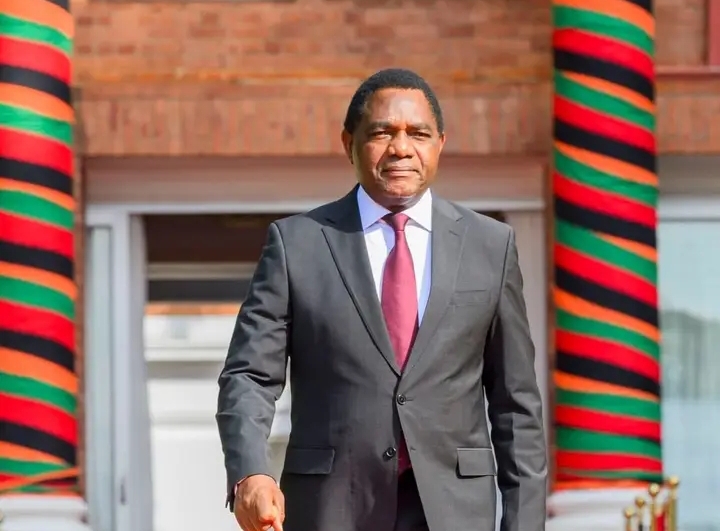
Does President Hakainde Hichilema legally qualify to stand as a presidential candidate in the August 2026 election?
The Constitution gives the Court a checklist. Is the candidate constitutionally qualified?
Is he a registered voter?
Does he have the required educational qualification?
Has he met the constitutional requirements for nomination?
The petitioner never argued that President Hichilema failed any of those constitutional tests.
Instead, he argued that the UPND had failed to hold proper internal elections and that some party leaders had stayed in office longer than they should have.
The Court replied, in effect, “Even if those complaints raise other legal issues, they do not answer the question we have to decide today.”
It’s like trying to stop a bus driver from driving because the bus station forgot to paint the building. One issue may deserve attention, but it does not automatically disqualify the driver.
Since no evidence showed that President Hichilema himself failed the constitutional qualifications under Article 100, the Court dismissed the petition and his nomination remained valid.
WHAT DOES THIS MEAN FOR ORDINARY ZAMBIANS?
It means that if you want a court to stop someone from running for President, you must prove that the candidate himself does not meet the Constitution’s requirements. Complaints about how a political party manages its own affairs are not, by themselves, enough to remove that candidate from the ballot.
Moral of the story?
In court, asking the wrong legal question is like using the wrong key to open a door. No matter how shiny the key is, it will never unlock the right answer.
Disclaimer:
My commentary on this decision is no more a legal critique than a campfire tale is a treatise on thermodynamics. It is, rather, a dramatized retelling, a lively reenactment if you will, of the judicial clash, unburdened by the solemn drudgery of analysis and delivered with the unapologetic zest of a storyteller who knows a good duel when he sees one.