

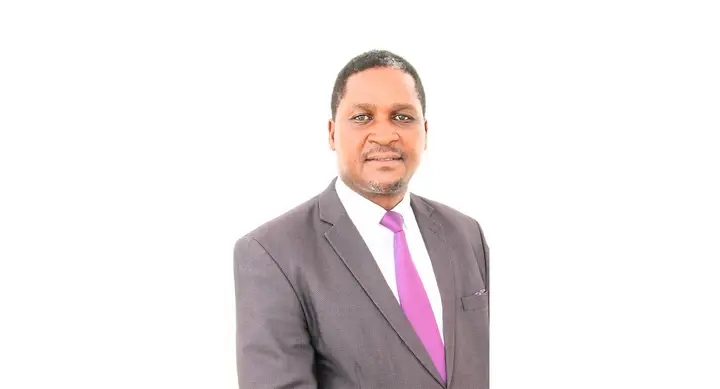
Sean Tembo says Zambia’s $6.5 billion reserves do not reflect good economic management
Former Patriots for Economic Progress (PeP) president and aspiring Roma Constituency independent parliamentary candidate Sean Tembo has challenged the government’s celebration of Zambia’s reported US$6.5 billion gross foreign reserves, arguing that the figure does not necessarily reflect sound economic management.
Lusaka, 27 June – Former Patriots for Economic Progress (PeP) president and aspiring Roma Constituency independent parliamentary candidate Sean Tembo says Zambia’s reported US$6.5 billion gross foreign reserves should not automatically be viewed as evidence of prudent economic management.
In a statement issued on Saturday, Tembo argued that while an increase in foreign reserves is generally associated with a healthy economy, Zambia’s current situation presents a different picture because the reserves have grown alongside rising government debt and unpaid obligations to the private sector.
Tembo explained that gross foreign reserves are funds held by governments, usually in foreign currencies, and invested in low-risk financial instruments abroad. He said such reserves are comparable to personal savings, which provide financial security but are not, on their own, a source of wealth creation.
According to him, Zambia’s reserves are largely invested in financial institutions in the United States, including banks in New York, where the funds support economic activity outside the country.
He argued that instead of holding the entire amount overseas, government could channel part of the reserves into a local Development Finance Institution (DFI) to provide affordable financing to Zambian businesses and stimulate domestic economic growth.
Tembo, however, maintained that the country’s foreign reserves present what he described as a “fallacy” because government continues to accumulate significant domestic arrears owed to suppliers of goods and services.
He cited figures from the national budget, claiming that domestic arrears had increased from approximately K18 billion in 2021 to K96 billion as of 31 May 2026.
Tembo said that although foreign reserves had reportedly risen by about US$3.5 billion over the same period, government had simultaneously accumulated domestic arrears worth approximately US$3.6 billion, increased domestic borrowing through Treasury Bills and government bonds by about K181 billion, and raised external debt from US$11.5 billion to US$16 billion.
He estimated that total borrowing over the past five years amounted to roughly US$18.1 billion, excluding project loans.
According to Tembo, heavy domestic borrowing reduces access to affordable credit for private businesses, limiting investment and employment opportunities, while maintaining large foreign reserves abroad benefits foreign economies rather than Zambia.
He concluded that, in his view, the country’s current level of foreign reserves should not be regarded as conclusive proof of good economic management, arguing that the figures should instead be assessed alongside debt levels, unpaid government obligations and their impact on the local economy.
©Nkanionline 2026 #NewsOnDemand