

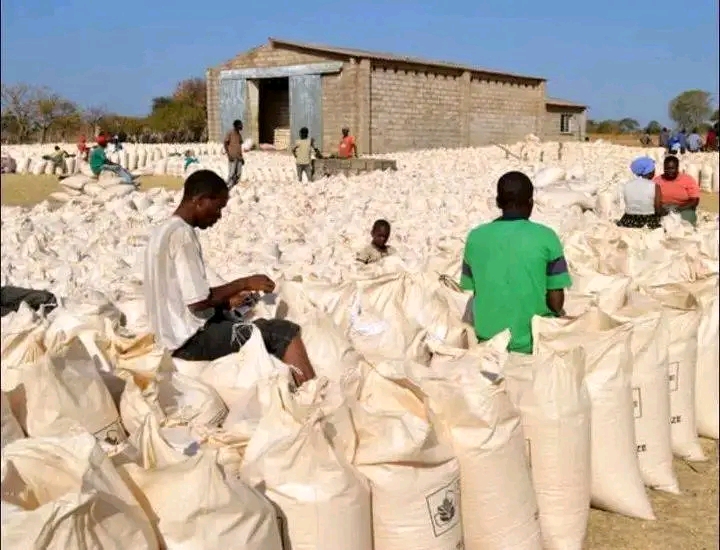
BRIEFING | Mealie meal prices ease as Zambia’s maize surplus draws Kenyan demand
Zambia’s maize market is entering a stronger supply position, with lower-priced mealie meal reaching consumers at home while neighbouring Kenya moves to secure millions of bags from the country’s grain surplus.
The Zambia National Service is selling a 25-kilogram bag of Eagles breakfast meal at K175 on order and K185 retail, while roller meal is priced at K135 on order and K145 retail. The products are being distributed through ZNS milling plants in Chongwe, Monze and Mpika, with Eagles mealie meal also available at Chawama Market in Lusaka.
The lower prices come against the backdrop of Zambia’s bumper maize harvest and substantial carry-over stocks. Secretary to the Cabinet for Finance and Economic Development Siazongo Siakalenge says the country has 5.1 million metric tonnes of maize from the current season, alongside 1.6 million metric tonnes carried over from last year.
Combined, this would place available maize stocks at about 6.7 million metric tonnes, strengthening Zambia’s capacity to supply the domestic market while exporting part of the surplus to countries facing shortages.
Kenya is now emerging as a potential major buyer. Baita Trading Limited director Martin Kinoti says the Kenyan grain trading company is seeking the immediate purchase of 10.8 million bags of maize from Zambia, subject to the conclusion of trade arrangements
Kinoti said Kenya requires about 25 million bags, equivalent to 2.2 million metric tonnes, but faces a deficit following a below-normal harvest. Zambia is consequently among the regional producers being considered to close the supply gap.
The figures point to an important shift in Zambia’s maize position. Greater domestic supply gives millers and government more room to maintain affordable mealie meal while an export market provides farmers and grain traders with additional demand.
The balance will be important. Large exports can generate foreign exchange and provide a market for the bumper crop, but authorities will also have to ensure sufficient strategic reserves and domestic supply so regional demand does not reverse the emerging pressure on mealie meal prices.
For consumers, the immediate signal is the reduction in Eagles prices. For producers, it is the prospect of a sizeable regional buyer.
Zambia now has to manage both sides of the market: cheaper food at home and profitable maize exports abroad.
– The People’s Brief | Chileshe Sengwe