
Africa and Japan to Co-Create Agricultural Renewal at TICAD 9
As global leaders gather in Yokohama for the Ninth Tokyo International Conference on African Development (TICAD 9), Africa is pushing a bold agenda to transform its food systems, with Japan emerging as a critical partner in driving innovation, resilience, and food security.
The conference, held under the theme “Co-create Innovative Solutions with Africa,” comes at a time when the continent is grappling with rising hunger. According to the latest State of Food Security and Nutrition in the World (SOFI) report, more than 307 million Africans one in five are food insecure, bucking the global trend of declining hunger.
Japan’s long-standing partnership with Africa, particularly through the Coalition for African Rice Development (CARD), is being highlighted as a model of progress. Launched in 2008 by the Alliance for a Green Revolution in Africa (AGRA), Japan’s Ministry of Agriculture, Forestry and Fisheries, and the Japan International Cooperation Agency (JICA), the initiative has doubled rice production in sub-Saharan Africa over the past decade. Output rose from 14 million tons in 2008 to 36.6 million tons in 2023. CARD has now set a new target of 56 million tons by 2030.
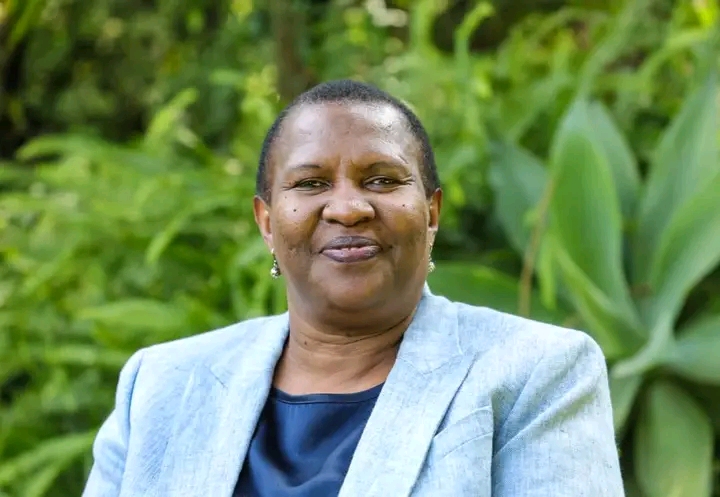
“Rice is more than just a crop. It is the difference between children going to bed hungry or nourished,” said AGRA President Alice Ruhweza, who is leading calls for greater collaboration at TICAD 9.
Japan has already demonstrated fresh commitment, with JICA recently issuing a $155 million bond to boost investments in Africa’s agriculture. Delegates say such initiatives show tangible action beyond diplomacy.
But rice is only one part of Africa’s agricultural story. Across the continent, young entrepreneurs and agri-tech innovators are reshaping the sector. With support from AGRA and development partners, youth-led companies are introducing digital tools, regenerative farming practices, and climate-resilient techniques that promise to improve productivity and nutrition.
At TICAD 9, African leaders are expected to press for increased Japanese private sector engagement, concessional financing, and technology transfer in irrigation, biofuels, and agri-tech. They are also seeking alignment with African frameworks such as the Comprehensive Africa Agriculture Development Programme (CAADP) and the African Continental Free Trade Area (AfCFTA).
“Africa’s challenges are undeniable. But so too are its possibilities,” said Ruhweza. “With Japan’s technological expertise and Africa’s vast potential, we can build a food system that feeds the continent, protects the planet, and powers growth. The only ingredient still in short supply is urgency.”
This year’s TICAD summit will focus on three urgent priorities: building resilient societies, securing peace and stability, and driving inclusive economic growth. Leaders agree that transforming agriculture is central to achieving all three.
©️ KUMWESU | August 20, 2025