
Africa’s Post-Harvest Crisis: Billions Lost Due to Lack of Value Addition
Despite strong harvests and fertile soil across Africa, millions of tonnes of agricultural produce are going to waste each year due to limited processing, storage, and market access infrastructure—a situation that experts say is costing the continent billions of dollars annually.
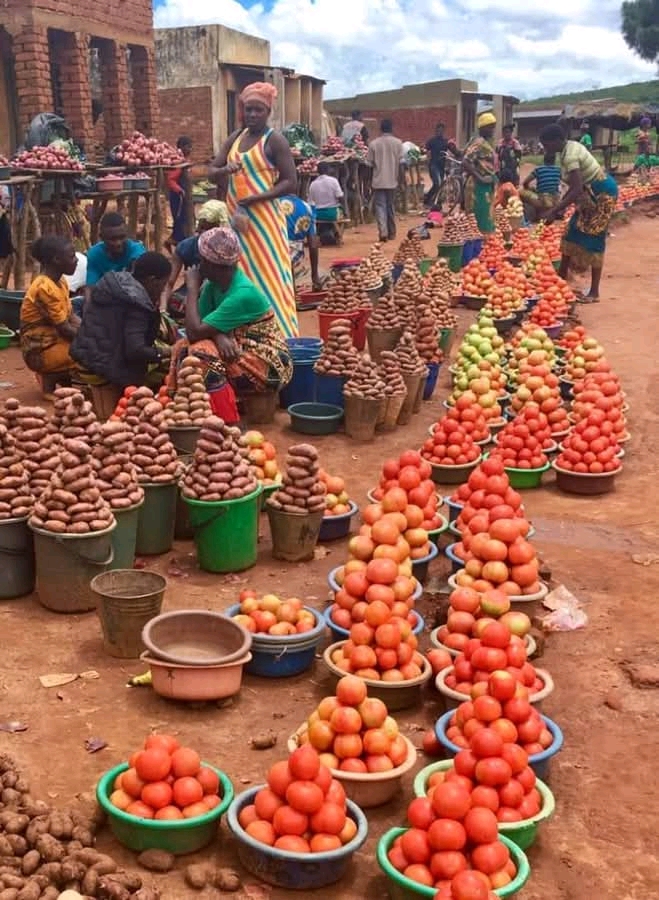
In rural communities from Zambia to Nigeria, piles of tomatoes, mangoes, and oranges lie rotting under the sun soon after harvest season. Not due to poor yields or lack of effort, but because the next step in the value chain “value addition” remains underdeveloped.
“Africa doesn’t have a food production problem,” says agricultural economist Dr. Naomi Chanda. “It has a value creation problem. Farmers are doing their part, but the ecosystem needed to convert crops into marketable goods is largely missing.”
According to the African Union, the continent loses over 30–40% of its agricultural output annually post-harvest, with perishable produce being the hardest hit. These losses translate into missed income for farmers, reduced food security, and stalled rural industrialization.
Yet the solution may lie in a shift in strategy from merely growing food to processing it at source. Agribusiness stakeholders are now calling for investments in agro-processing plants, cold storage infrastructure, and SME-led food packaging enterprises.
Ironically, even as some regions suffer food gluts, others face shortages. Poor logistics, inadequate road networks, and fragmented supply chains have made it difficult to match produce with demand. The result is a paradox of abundance in waste and scarcity in markets.
“This mismatch is an opportunity,” notes Priscilla Njobvu, Director of AgroValue Solutions, a Zambian agri-logistics firm. “If we can create small rural processing hubs and train youth in agribusiness, we can solve two problems at once: food waste and unemployment.”
Micro, small, and medium enterprises (MSMEs) are expected to play a crucial role in closing this gap. However, challenges such as access to finance, lack of technical training, and limited market information continue to hold them back.
Organizations like the African Development Bank (AfDB) and the International Fund for Agricultural Development (IFAD) are already piloting rural agro-processing projects, while governments are being urged to create enabling policies, tax incentives, and public-private partnerships to boost the sector.
Analysts argue that moving up the agricultural value chain could transform Africa’s economic trajectory.
“Imagine small factories turning tomatoes into paste, mangoes into juice, and oranges into dried snacks right in the villages,” says Dr. Chanda. “That’s not just agribusiness; it’s rural industrialization.”
With Africa’s population projected to double by 2050, the need to reduce post-harvest losses and build resilient food systems has never been more urgent.
Transforming African agriculture from subsistence to enterprise will require more than good rains and hard work. It demands infrastructure, innovation, and intentional investment in value addition.
If done right, every saved tomato, every processed mango, and every exported orange could become a symbol of Africa’s shift from vulnerability to value creation and from wasted harvests to economic prosperity.
May 3, 2025
©️ KUMWESU
Government needs to look at geographical strengths and come up with industrialisation in that direction, an example is putting up a tomato processing plant in Mkushi