
🇿🇲 BUSINESS | BoZ cuts policy rate sharply to 10.75% as inflation eases
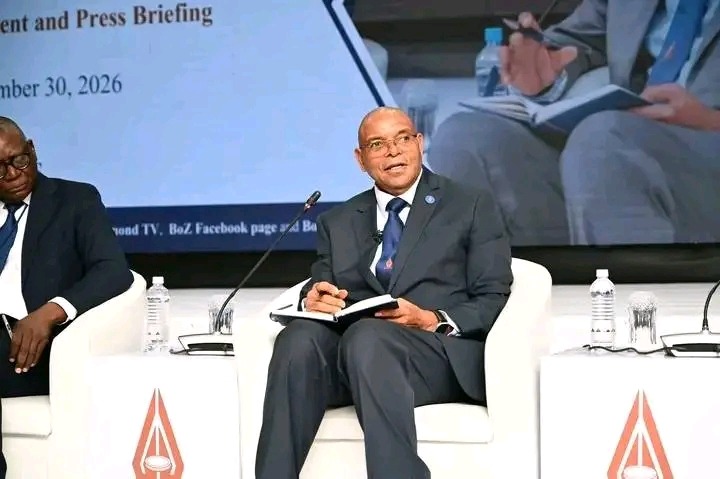
The Bank of Zambia has cut its benchmark Monetary Policy Rate by 250 basis points to 10.75 per cent, delivering a substantial easing of monetary policy as inflation continues to fall and the central bank seeks to support lower financing costs across the economy.
Governor Denny Kalyalya announced the decision on Wednesday following a two-day meeting of the Monetary Policy Committee on September 28 and 29. The reduction takes the policy rate from 13.25 per cent to 10.75 per cent and follows a series of earlier cuts as inflation moved back into the central bank’s 6-8 per cent target range.
The MPC said it took into account inflation outcomes and projections which were lower than previously anticipated, while continuing to monitor risks capable of pushing prices higher. The committee said the decision was intended to align monetary policy with the improved inflation outlook and support “the lower cost of finance for the broader economy, and ultimately economic growth.”
Annual inflation declined to 6.1 per cent in September from 6.2 per cent in August, according to the Zambia Statistics Agency, placing it close to the lower end of the Bank of Zambia’s target range. Food inflation slowed to 5.8 per cent from 6 per cent, while non-food inflation remained at 6.6 per cent.
The latest move is considerably larger than the Bank’s previous adjustment. In May, the MPC lowered the policy rate by just 25 basis points, from 13.50 per cent to 13.25 per cent, as it balanced improving inflation against risks from global oil prices and a possible El Niño weather event. At the time, the Bank projected inflation to average 6.8 per cent in 2026 and 6.1 per cent in 2027.
A lower policy rate is intended to reduce the cost of money in the financial system and can eventually feed through to commercial lending rates faced by companies and households. The extent and speed of the transmission will depend on banks’ funding costs, credit risk and other conditions in the financial sector.
The decision comes as Zambia attempts to move from macroeconomic stabilisation towards faster economic growth. The government this week said it was targeting average economic growth of about 7 per cent over the next three years, while discussions have also begun with an IMF mission over a possible new financing programme.
The central bank nevertheless signalled that further cuts are not automatic. It said future decisions would continue to depend on inflation outcomes and forecasts, emerging risks and financial stability.
The next Monetary Policy Committee meeting is scheduled for November 25-26.
The immediate number is 10.75 per cent. The number businesses and households will now watch is what happens to actual lending rates.
– The People’s Brief | Francine Lilu