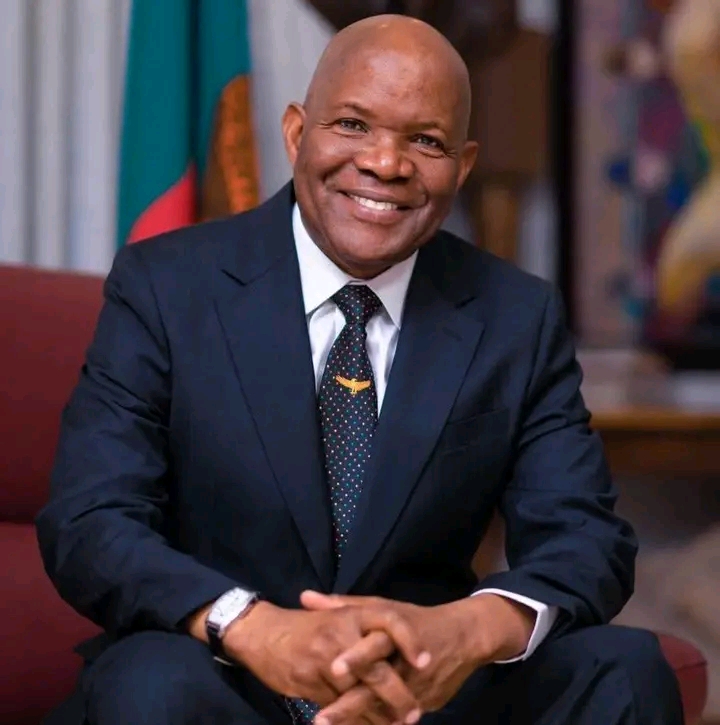

CURRENCY STABILITY AND PREDICTABLE BUSINESS ENVIRONMENT
I wish to acknowledge the robust engagement after I commented on “Too strong a Kwacha is not good and too weak a Kwacha is equally not good”. I should say I picked up a number of observations from objective neutral commentators who focused on the issues raised without political lenses.
The key issue and concern of the private sector and indeed the quasi private sector is that we need a predictable business environment for planning activities that businesses engage in.
As an example, budgets for the following business year are normally prepared between October and December so that, come January, these budgets are operationalised. This applies to businesses with financial year ending 31 December.
In the course of preparing these budgets, one CRITICAL assumption made is the exchange rate. Therefore, a volatile exchange rate disrupts business planning, whether it’s Kwacha depreciation or Kwacha gaining. So the key point to bear in mind is that if Kwacha is gaining, is this sustainable, or it’s just a once off event?
Some commentators observed that despite the Kwacha gaining, it’s not translating into meaningful economic impact, viz-a-vis, price reduction.
What causes this is the market lack of confidence on whether the Kwacha gains will be sustained over a long period of time or it will revert to the depreciation path, consequently, businesses play “a wait and see game before prices can be adjusted downwards”.
It’s also common business sense that it is easy to adjust prices upwards but rather challenging to adjust prices downwards without clear predictability on the sustainability of the Kwacha gains.
So, the critical issue here is having a stable currency and a predicable business environment. This aligns with what some praise singers are terming as consistent mining policies will attract investment if you look at the mining environment, although I have reservations on tax concessions and effective mining tax rates.
Statisticians have taught us about standard deviation. Simply meaning fluctuations will occur but should be range bound, say +|-5%. When deviations are huge, they cause business disruptions, hence the need for stability.
With regard to de-dollarisation guidelines announced by the Bank of Zambia, we feel this is a positive move, but if not well enforced, it will end up being ineffective.
Some business institutions have advised their clients that whilst payments will now be made in Kwacha, except for the exempted institutions and types of transactions, dollar pricing will still be maintained for reference purposes.
We are of the view that non exempted transactions should be quoted in Kwacha and paid in Kwacha and not quoted in dollars and paid in Kwacha.

The latter amounts to where we were before the guidelines were issued in view of Zambia having a liberal exchange control environment. The Bank of Zambia needs to urgently guide on this.
The legal tender is Kwacha, and therefore, all non exempt businesses transactions should be quoted in Kwacha with no reference to the dollar.
Fred M’membe
President of the Socialist Party and 2026 People’s Pact Presidential Candidate
This the problem with Mr M’membe, he’s in a pact with Mr Sichinga who said prices will not come down any time some . What are we going to think or say about them.
Who would take advice from a man that failed to follow the law and claims to be a lawyer or accountant? Didnt this man run a failed airline? Newspaper?