
Edgar Lungu’s Legacy: A Decade of Division and Decay in Zambia
By David Zulu
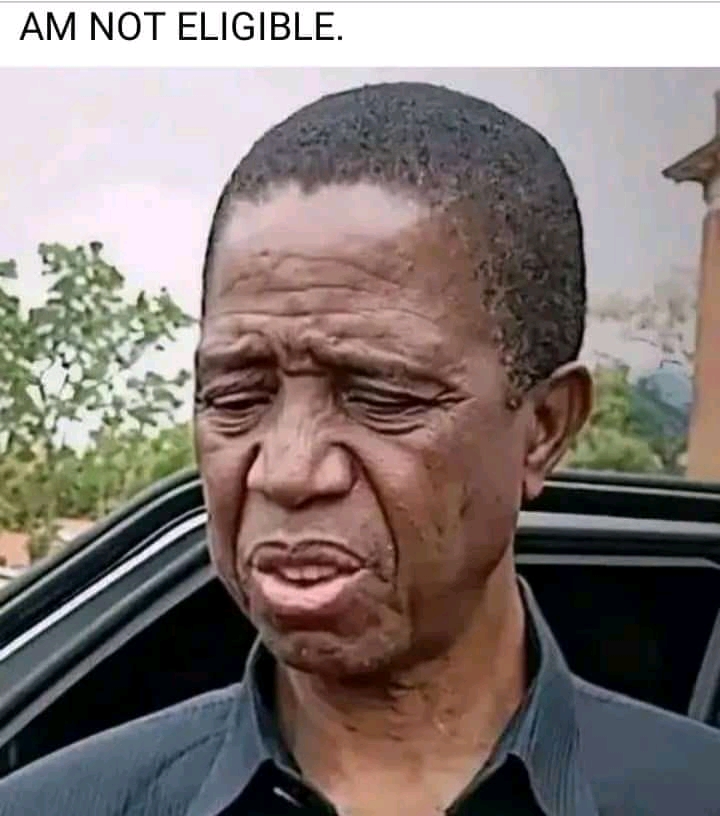
As Edgar Lungu’s eligibility case concludes, it is crucial to reflect on the most divisive and polarizing decade in Zambia’s history. Lungu, who rose to power as Zambia’s sixth president under controversial and violent circumstances following the death of President Michael Sata, leaves behind a legacy of systemic division and institutional decay. From the moment he assumed office, his actions seemed calculated to fracture the fabric of national unity.

Lungu’s presidency was characterized by the deliberate exploitation of tribalism, violence, and corruption to consolidate his authority. Institutions that once served as pillars of national cohesion were systematically targeted and weakened.
The Church, historically Zambia’s moral compass, was splintered through political interference and favoritism. The Law Association of Zambia, tasked with safeguarding the rule of law, was subjected to division, undermining its credibility and ability to hold power to account. The ripple effects of these actions persist to this day.
Under Lungu’s leadership, tribal lines were weaponized to secure political dominance, eroding national unity. His rhetoric and policies often exacerbated ethnic tensions, fostering an “us versus them” mentality that alienated entire regions and communities. Terms like “Zambezi Province” emerged as tools of division, used to isolate and disparage regions perceived as resistant to his rule.
State-sponsored violence became a hallmark of Lungu’s administration, silencing dissent through brutal crackdowns. Political opponents, civil society organizations, and journalists were frequent targets. Churches and radio stations were attacked, markets and bus stations turned into sites of torture, and mourners at graveyards were brutally assaulted.
An army of muscular, heavily armed political thugs emerged in townships and suburbs, wielding more power than the police. These groups roamed the streets in expensive SUVs adorned with PF chitenge cloth, a symbol of authority and impunity that licensed them to maim and kill without consequence.
Meanwhile, corruption flourished under Lungu’s watch as key institutions—including the judiciary, the Electoral Commission, and law enforcement—were co-opted to serve partisan interests. Elections were marred by irregularities and accusations of manipulation, deepening the nation’s polarization. Instead of fostering dialogue and reconciliation, Lungu’s administration entrenched a climate of fear and mistrust.
The result was a deeply fractured Zambia. A nation once celebrated for its unity and peace became a shadow of its former self, with citizens divided along tribal, political, and economic lines. Lungu’s legacy is a stark reminder of how fragile national unity can be when leaders prioritize power over the well-being of their people.
Zambians must remember these lessons and ensure that such a chapter is never repeated.
(Dz)