
EUROPE DIVIDED OVER PUTIN CALL AS LEADERS WARN AGAINST BREAKING RANKS
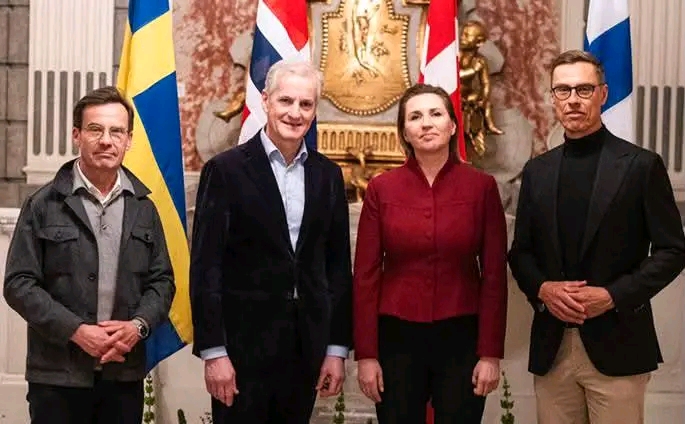
Finland and Norway’s joint conversation with Vladimir Putin has exposed differing views among European leaders about how to approach Moscow ahead of proposed November talks in Abu Dhabi. Poland’s Donald Tusk described the assessment as very cautiously optimistic. Denmark’s Mette Frederiksen questioned the initiative’s coordination, while Sweden’s Ulf Kristersson warned that Moscow seeks submission rather than peace.
Finnish President Alexander Stubb said the approximately 90-minute conversation was intended to deliver messages directly to Putin. Norwegian Prime Minister Jonas Gahr Støre stressed that they represented their own countries, rather than Europe as a whole, and said allies had been informed beforehand. Frederiksen, however, said the initiative had not been coordinated with other European leaders. That distinction matters: informing partners that a conversation will happen is different from agreeing together on its objectives, demands and limits.
Finland and Norway participated together, and Zelenskyy was consulted and briefed. But the wider concern remains: separate diplomatic channels can give Moscow opportunities to emphasize different demands to different governments, test their willingness to compromise and exploit disagreements over what was actually achieved. One government can leave cautiously optimistic while another sees the same Russian position as an attempt to secure Ukraine’s submission.

That is the danger Europe needs to guard against. Direct contact can serve a purpose when it reinforces an agreed position. It becomes a liability when competing interpretations weaken the pressure on Russia or create uncertainty about whose commitments represent whom.
Ukraine’s future cannot depend on which version of Putin’s message each capital finds most convincing. Kyiv needs its own voice at the table, and its partners need a common position backed by continued military support.
The measure of progress must be concrete Russian steps toward ending the war—not simply another conversation that different governments hear differently.