
🇿🇲 EXPLAINER | 2027 Budget: What Should You Watch?
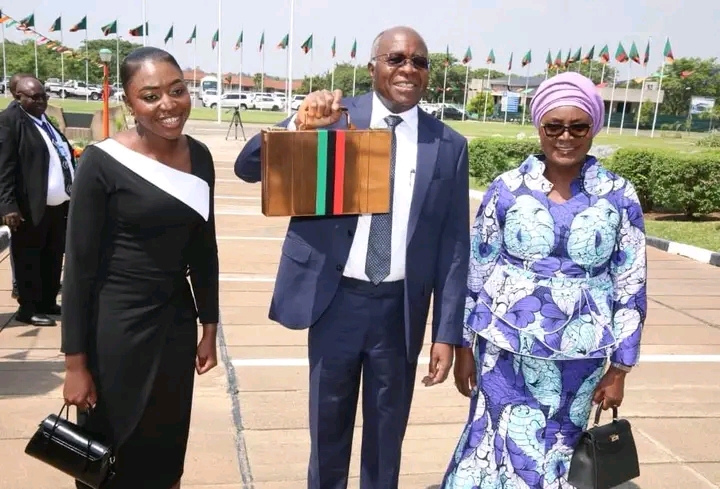
Finance Minister Dr Situmbeko Musokotwane presented Zambia’s K284.8 billion National Budget for 2027 on Friday, 6 November 2026. The Government plans to finance 82.1 percent of the budget through domestic revenue, signalling a continued shift towards reducing dependence on external financing. But what does this mean for ordinary Zambians?
The People’s Brief has identified several areas that deserve public attention as Parliament begins examining the proposed expenditure and tax measures.
Taxes and the cost of living: The Government proposes increasing Value Added Tax (VAT) from 16 percent to 16.5 percent, alongside higher mobile money transaction levies and new excise duties on selected products, including sugar and plastic bottles. Mobile money is particularly important because millions of Zambians use it for everyday transactions, family support and small businesses. Will these changes increase the cost of ordinary financial activities?
Constituency Development Fund (CDF): The national CDF allocation is expected to rise from approximately K6.2 billion to K9.05 billion. However, the allocation per constituency remains K40 million, with the larger national amount accommodating additional constituencies. The question is not simply how much Parliament allocates, but how effectively communities use these resources. How many projects have been completed, and how many remain unfinished?
Education and employment: The Government has allocated approximately K38.2 billion to education. But beyond the headline figure, Zambians will be interested in school infrastructure, learning materials, teacher recruitment and the quality of education. For young people completing school, college and university, the bigger question remains employment. How will the budget translate economic growth and private-sector investment into actual jobs?
Agriculture and food security: Approximately K22.7 billion has been proposed for agriculture, fisheries and livestock interventions. The Government has also announced plans to begin transitioning the Farmer Input Support Programme towards an agricultural loan scheme in 2027. What will this mean for small-scale farmers who depend on subsidised inputs? And how will the Food Reserve Agency maintain national food security while managing the costs of maize purchases?
Social protection: The Social Cash Transfer allocation is expected to reach approximately K10.4 billion, supporting more than 1.6 million households. Standard monthly payments are proposed to increase from K400 to K450, while eligible households with persons with disabilities would receive K650, up from K600. These increases will be welcomed by beneficiaries, but their practical value will depend on the cost of essential goods and timely disbursement.
Debt and public spending: Approximately K67.6 billion has been allocated to debt servicing. This represents nearly a quarter of the proposed national budget. Debt obligations remain important because money committed to repayments cannot simultaneously be spent on other public priorities. How does Zambia balance its financial obligations with the growing demand for healthcare, education, infrastructure and social protection?
The 2027 Budget contains both opportunities and difficult choices. Greater reliance on domestic revenue may strengthen Zambia’s financial independence, but it also raises questions about taxation, household incomes and the capacity of businesses to absorb additional costs.
Over the coming days, The People’s Brief will examine the budget in greater detail, looking beyond allocations and Government announcements to assess what the proposed measures could mean for households, farmers, businesses, workers and communities.
We also invite our readers to participate in this discussion. If you have questions, observations, professional insights or concerns about particular budget provisions, contact us directly. We welcome contributions from economists, researchers, students, business owners, civil society representatives and ordinary citizens.
As a community-driven publication, we believe public policy should not be discussed by politicians and experts alone. Your experiences, questions and perspectives matter. We will consider reader contributions for future explainers, interviews and commentaries, subject to editorial verification.
A national budget is not merely a statement of Government expenditure. It is a statement of national priorities. The public deserves to understand both.
The People’s Brief | Ollus R. Ndomu
7 November 2026