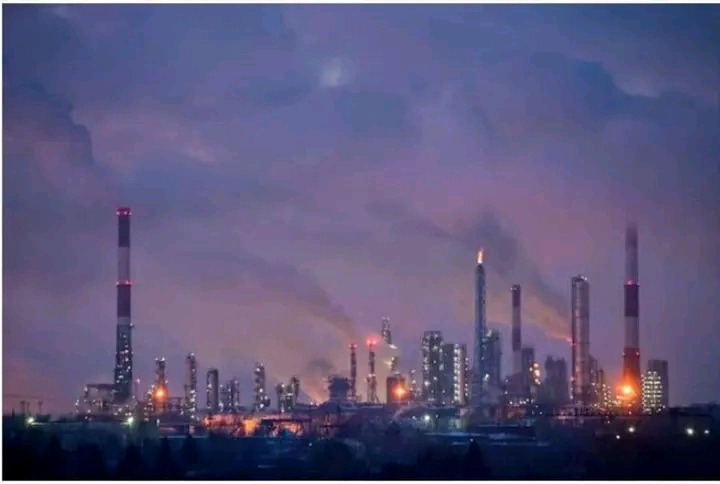

HALF OF RUSSIA’S LARGEST DIESEL REFINERIES FORCED TO CUT PRODUCTION
September 15, 2026
Three of Russia’s six largest diesel-producing refineries have significantly reduced or completely stopped production following repeated drone strikes, according to Reuters.
The Kirishi refinery has reportedly shut down entirely, while the Volgograd and NORSI refineries are operating at approximately one-quarter of their designed capacity. Together with the Omsk, Taneco and Perm refineries, these six facilities normally produce roughly half of Russia’s diesel fuel.
The consequences of the latest strike on Taneco remain under assessment, meaning the disruption could deepen further.
Donald Trump previously claimed that Russia and Ukraine had agreed to stop striking energy infrastructure. He later publicly called on President Zelenskyy to halt attacks on Russian diesel production because the resulting shortages were affecting global markets.

The continuing strikes and refinery shutdowns make one thing apparent: whatever understanding Trump believed existed has not produced an effective energy truce.
Russia has continued attacking Ukrainian energy facilities, fuel stations and civilian infrastructure. Ukraine, which never received reliable guarantees that Moscow would stop, continues to strike the refineries that supply Russia’s military and finance its invasion.
Russia has already restricted exports of gasoline, diesel and aviation fuel as it attempts to stabilize domestic supplies. Before the restrictions, Turkey and Brazil purchased at least half of Russia’s available diesel exports.
According to the International Energy Agency, a Russian refinery was successfully struck on average once every three days during the first eight months of 2026.
Diesel keeps Russia’s trucks, trains, industrial machinery and military logistics moving. Every damaged processing unit forces Moscow to choose between supplying its army, supporting its domestic economy and maintaining the energy exports that finance the war.
Ukraine is not merely setting individual tanks on fire. It is systematically degrading the industrial system sustaining Russia’s invasion.