
IAEA Detects New Uranium Enrichment Facility at North Korea’s Yongbyon
The International Atomic Energy Agency (IAEA) has detected a newly constructed uranium enrichment facility at North Korea’s main Yongbyon nuclear complex, raising fresh concerns over Pyongyang’s expanding nuclear weapons capabilities.
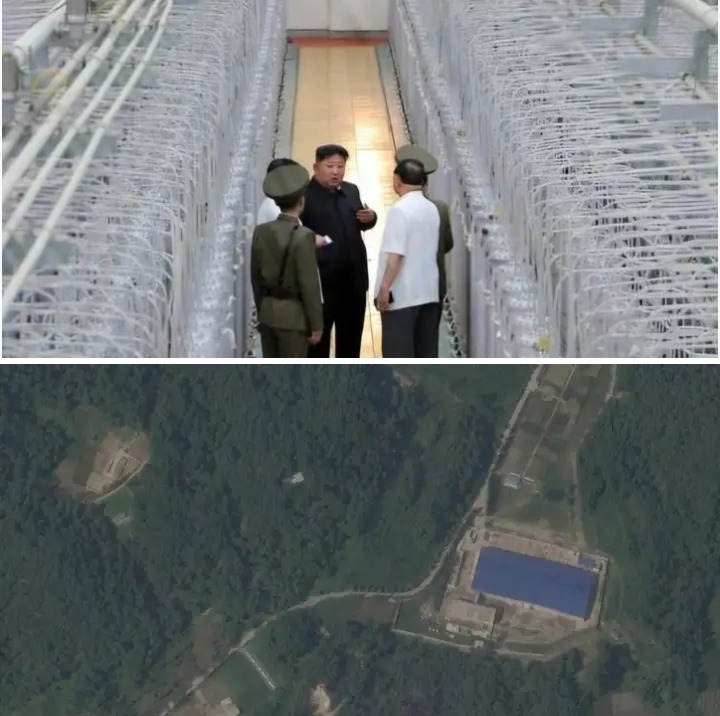
The IAEA identified a new two-story building that appears to be Yongbyon’s second uranium enrichment facility. Satellite imagery was compared with photographs released by North Korean state media during Kim Jong Un’s visit to the site in June.
The images indicate that gas centrifuge cascades have been installed on both floors of the new building. According to the IAEA assessment, the facility could accommodate up to 28 centrifuge cascades.
The nuclear watchdog also reported signs that an expanded annex at the Kangson uranium enrichment site near Pyongyang began operating in January. The annex was constructed in 2024, indicating that North Korea’s enrichment infrastructure is expanding at multiple locations.

IAEA Director General Rafael Grossi said the continued operation and expansion of enrichment facilities at Yongbyon and Kangson, along with the reported growth in production of weapons-grade nuclear material, is a cause for serious concern.
The latest findings are particularly significant because the IAEA has had no inspectors inside North Korea since 2009 and is therefore relying heavily on satellite imagery and open-source information to monitor the country’s nuclear programme.
The IAEA said the ongoing enrichment activities and expansion of North Korea’s nuclear infrastructure violate U.N. Security Council resolutions, while Pyongyang continues to reject the agency’s authority and maintains that its nuclear status is irreversible.
The developments indicate that North Korea continues to expand its ability to produce weapons-grade nuclear material despite international sanctions and U.N. restrictions.