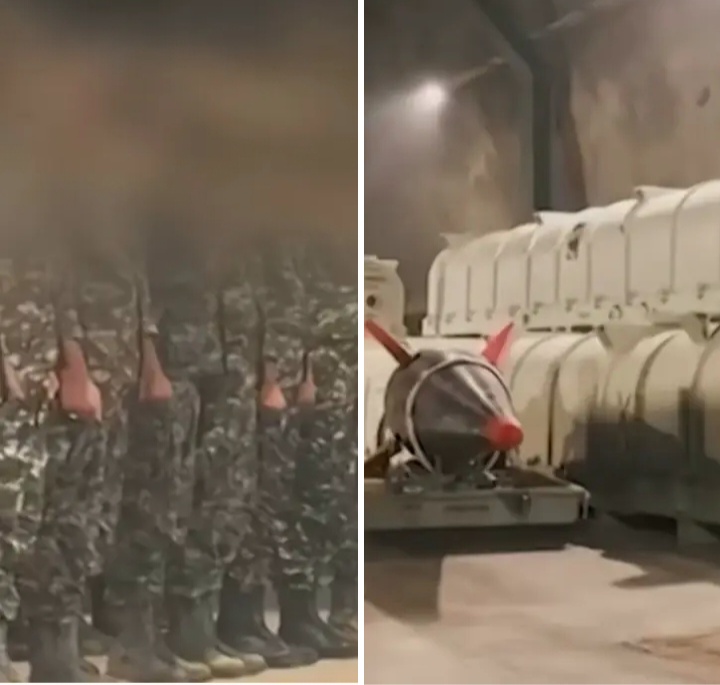

Inside Iran’s Underground Missile Cities: How Many Soldiers Operate Each Hidden Base?
Iran’s underground missile network is believed to consist of approximately 30 major bases across the country, forming a complex system of tunnels, weapons depots, launch facilities and command infrastructure. But how many soldiers are stationed inside each of these heavily fortified facilities?
According to an investigation by Iran International, Iran has around 30 missile bases, spread across regions including Semnan, Tehran, Isfahan, Kermanshah and the Persian Gulf coast. These facilities do not all serve the same purpose: some store missiles, others support production and assembly, while operational complexes are designed to prepare and launch ballistic missiles.
One important manpower estimate comes from reporting by The Irish Times, which indicates that a crew operating an individual ballistic missile launcher is thought to consist of approximately five to ten soldiers. Their responsibilities include preparing the missile, loading it onto the launcher, entering targeting information and carrying out launch procedures.
However, this figure represents only one missile-launch crew — not the total number of troops inside an underground base. A larger facility may require several launch crews, alongside command personnel, communications specialists, engineers, maintenance teams, security units and logistical support.
The actual number of soldiers assigned to each base remains undisclosed. There is no independently verified breakdown showing whether a facility contains dozens, hundreds or more personnel, and the number would depend on its size, mission and operational capacity.

Iran’s underground missile cities are therefore more than storage tunnels. They are military complexes designed to connect missile crews, launch systems, command networks and technical support, allowing the country to maintain its missile operations even under sustained air attacks.
The key unanswered question is not simply how many missiles each base contains, but how many trained personnel are required to keep the entire underground network operational. Publicly available information does not yet provide a reliable total.